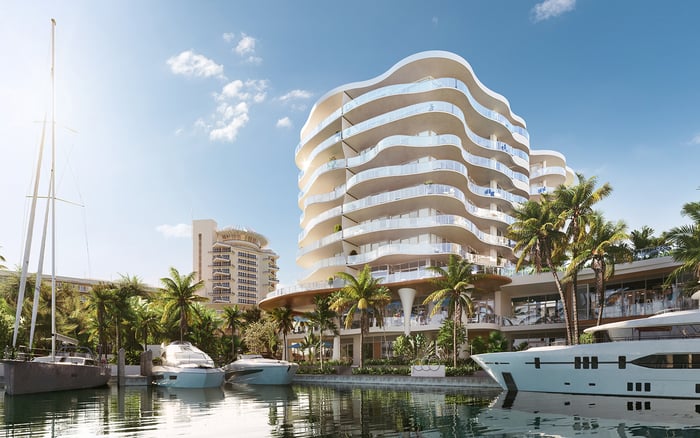
A disciplined comparison of South Florida new-construction residences should weigh insurance documentation, view quality, waterfront context, ownership costs, and potential resale considerations without relying on unsupported project-specific assumptions.
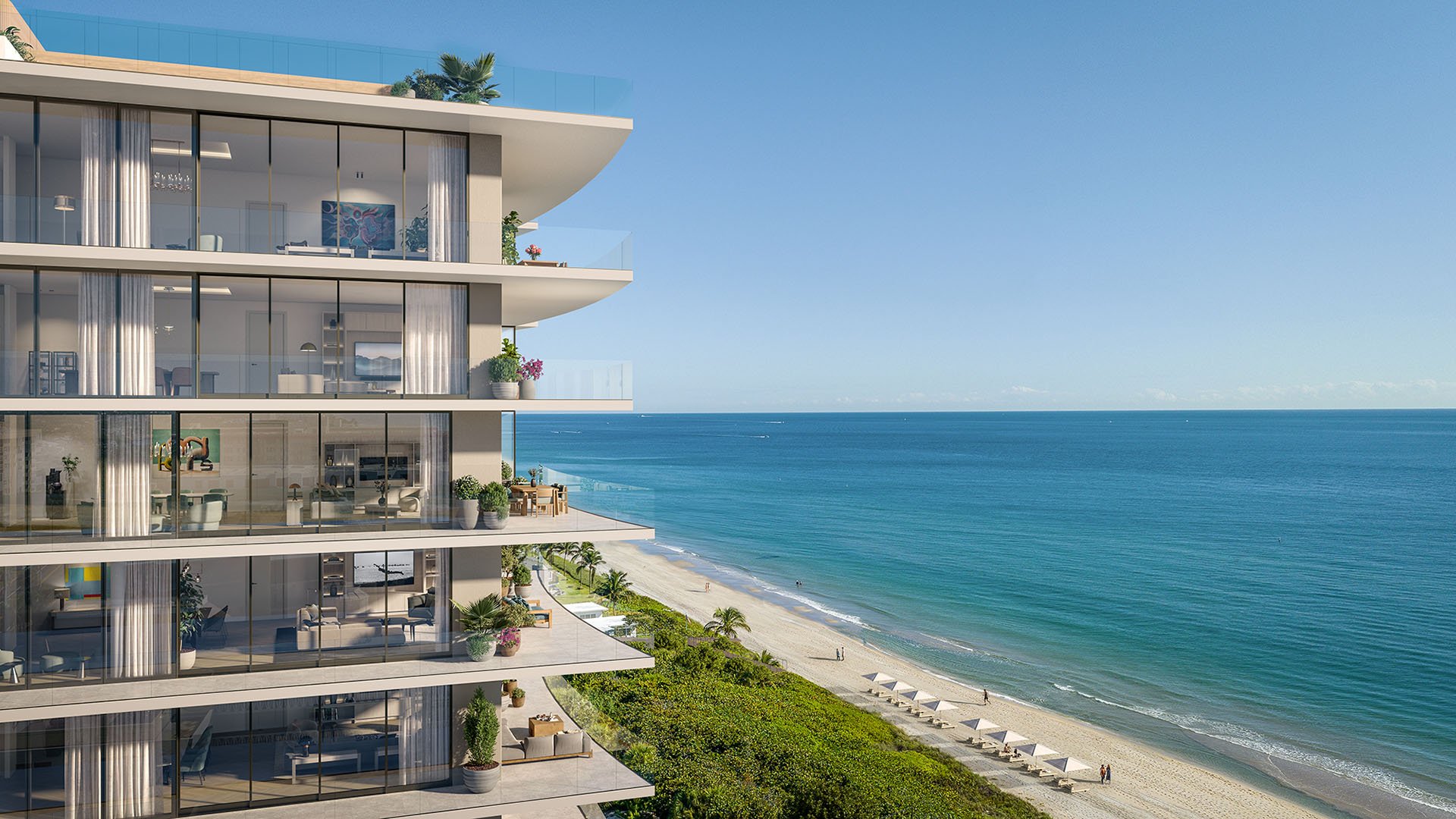
New-construction residences can make a powerful first impression, but a durable purchase decision requires more than an appealing view or recognizable name. Buyers should examine insurance terms, building finances, ownership costs, view exposure, use restrictions, and the likely depth of the future resale audience.
The strongest choice is the residence that remains compelling after its practical and financial considerations have been reviewed together.
This group provides a starting point for a consistent, document-led comparison rather than a definitive ranking.
1. Four Seasons Residences Coconut Grove
Review the residence, building documents, ownership structure, insurance information, view orientation, and projected carrying costs as one complete proposition.
Compare individual floor plans and exposures while assessing the project’s financial documents, restrictions, insurance structure, and relevant competing inventory.
3. The Residences at Six Fisher Island
Evaluate privacy, access, orientation, ownership obligations, and comparable transactions without assuming that location alone will determine resale performance.
4. Bentley Residences Sunny Isles
Consider how branding, residence layout, water exposure, recurring expenses, restrictions, and future competition work together for the specific unit under review.
5. Rosewood Residences Hillsboro Beach
For buyers extending their search into Broward, apply the same standards used for Miami-Dade options and account for differences in location, ownership costs, and the relevant resale audience.
Project-specific insurance costs and terms should not be assumed. Buyers should obtain current documentation and professional guidance concerning premiums, deductibles, flood considerations, the scope of any master policy, reserve funding, owner responsibilities, and possible assessment exposure.
A single premium figure does not provide a complete picture. The more useful review considers how coverage, exclusions, deductibles, reserves, and unit-owner obligations could interact under a claim scenario.
Water outlooks vary by orientation, floor, surrounding parcels, and the position of principal rooms. Buyers should study what lies between the residence and the water, whether nearby conditions could change, and how consistently the preferred outlook is experienced throughout the home.
Floor height can matter, but it should be considered alongside orientation, sightlines, privacy, and the possibility of future obstruction. These factors should be verified for the individual residence rather than inferred from project-level marketing.
Resale analysis should emphasize relevant closed transactions rather than asking prices alone. Comparisons should account for differences in floor plan, condition, orientation, views, carrying costs, restrictions, branding, and competing inventory.
A recognized brand may help define a property’s market position, but it does not replace a functional layout, sound documentation, or an appealing relationship to the water. Likewise, perceived scarcity should be tested against actual and expected competing supply.
Before selecting a residence, create a side-by-side review of acquisition terms, projected carrying costs, insurance assumptions, deductible exposure, reserve information, completion expectations, orientation, view corridor, restrictions, competing supply, and comparable closed sales. Current documents and terms should be reconfirmed before any commitment.
What insurance information should a waterfront buyer request? Request current coverage details, deductibles, exclusions, reserve information, owner obligations, and any available assessment history or projections.
Is the annual insurance premium enough for comparison? No. Buyers should also examine deductibles, policy scope, exclusions, reserves, and how costs may be allocated to owners.
How should buyers compare water views? Compare orientation, sightlines, privacy, nearby parcels, the outlook from principal rooms, and the potential for future obstruction.
Does a higher floor always provide a better long-term view? Not necessarily. Orientation, surrounding development, and the precise view corridor can be as important as elevation.
Should branding determine the purchase decision? No. Branding should be weighed with layout, documentation, carrying costs, restrictions, view quality, and competing supply.
What evidence is most useful for resale analysis? Relevant closed sales are generally more informative than asking prices when adjusted for meaningful differences between residences.
Why do ownership restrictions matter? Restrictions can affect how a residence may be used and may influence its appeal to a future buyer.
How should pre-construction terms be handled? Buyers should verify current contract terms, deposit requirements, completion expectations, and applicable documents before committing.
Can project-level marketing replace unit-specific diligence? No. Buyers should verify the floor plan, orientation, view, costs, and obligations for the individual residence under consideration.
What belongs in a final side-by-side comparison? Include acquisition terms, carrying costs, insurance details, reserves, orientation, views, restrictions, competing supply, and relevant closed sales.
For a discreet conversation and a curated building-by-building shortlist, connect with MILLION.
If branded residences are on your mind — as a home or as an allocation — we would be glad to share what we are seeing, privately.
Begin a quiet conversation