A buyer-focused framework for comparing Miami Beach and nearby new-construction residences through pet policies, service depth, daily convenience and condominium due diligence.
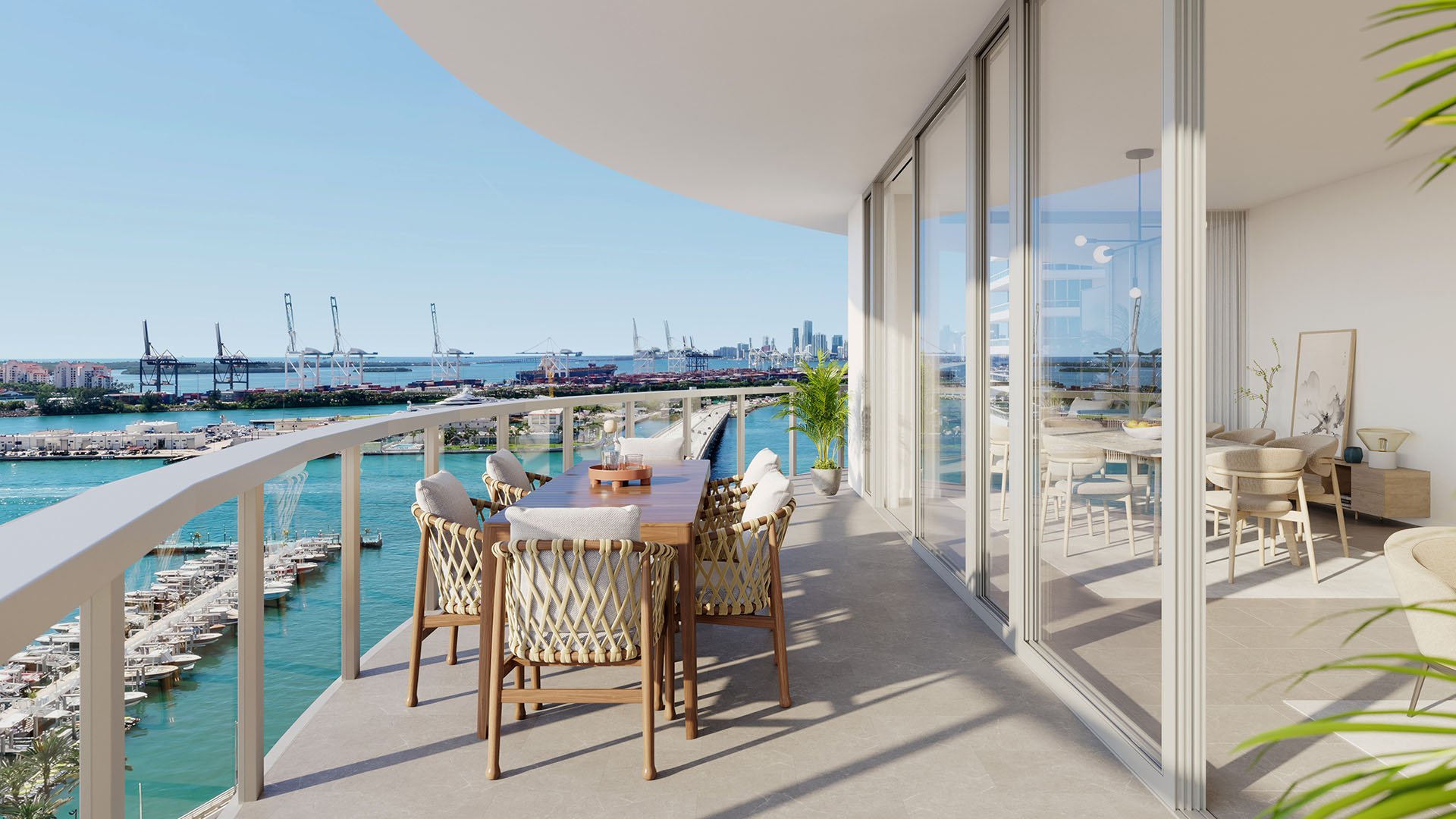
For buyers sharing a residence with an animal, the strongest new-construction option is not necessarily the one with the longest amenity list. A careful comparison should distinguish whether animals are permitted, how building rules affect daily routines and whether management can document the applicable procedures.
Service depth also matters. Buyers should examine arrival routes, elevator protocols, access to common areas, terrace rules, cleaning procedures and the process for registering an animal. These operational details can be more consequential than broad pet-friendly language.
Two Miami Beach projects worth including in a document-based comparison are The Perigon Miami Beach and Shore Club Private Collections Miami Beach. Their inclusion is a prompt for further inquiry, not confirmation of pet permissions, restrictions, services or current availability.
For each residence, request the latest governing documents and written management guidance. The review should cover the number and type of animals allowed, any size or breed provisions, guest-animal rules, registration requirements, deposits, insurance obligations and restrictions affecting shared spaces.
Buyers open to a broader Miami-Dade search can also place Shoma Bay North Bay Village and Casa Bella by B&B Italia Downtown Miami on the comparison list. These projects can help buyers test how strongly they value a Miami Beach location relative to building operations, residence design and pet-related procedures.
Nearby alternatives should remain comparison points rather than substitutes for the stated brief. A buyer committed to Miami Beach should first establish which island residences satisfy the ownership criteria, then use other Miami-Dade projects to evaluate trade-offs.
A rigorous review begins with the declaration, bylaws, current rules, application materials and any separate animal-related forms. Written answers should be obtained when the documents do not clearly address a buyer’s circumstances.
The operational review should follow the animal’s likely route through the property. Buyers can ask how arrivals are handled, which elevators may be used, where animals can enter or exit, whether temporary restrictions apply and how staff communicate rule changes.
Terraces and private outdoor areas require separate attention. Purchasers should confirm applicable safety requirements, supervision expectations and maintenance responsibilities rather than assuming private space is unrestricted.
Buyers who need information about assistance-animal procedures should request the building’s current written process. Marketing descriptions should not be treated as a substitute for governing documents or building-specific guidance.
The best fit will depend on the buyer’s priorities and the answers supplied for the specific residence. Location, building operations, staffing and documented animal rules should be evaluated together.
A useful decision matrix can separate mandatory requirements from preferences. Permission terms and workable daily access may be non-negotiable, while optional services can be ranked according to how often they would actually be used. Any unresolved issue should remain open until it is addressed in writing.
What does pet-friendly ownership mean in a condominium? It means the building’s current documents and procedures accommodate the buyer’s circumstances; the exact conditions must be verified for each residence.
Does a pet-related amenity confirm that animals are permitted? No. Amenities and governing rules should be reviewed separately.
Which documents should a buyer request? Request the declaration, bylaws, current rules, application package and any animal-related forms or written procedures.
Why does service depth matter to pet owners? Staffing and operating procedures can affect arrivals, circulation through common areas and everyday convenience.
How should animal limits be verified? Ask management to confirm current number, type, size and breed provisions in writing.
Should buyers ask about guest animals? Yes. Guest-animal rules may differ from those governing animals registered to residents.
Why review elevator and common-area procedures? These rules can shape the animal’s daily route through the building and should be understood before purchase.
How should terrace use be evaluated? Confirm safety requirements, supervision expectations, maintenance duties and any applicable restrictions.
Why compare projects outside Miami Beach? Nearby Miami-Dade projects can clarify which location, operational and service trade-offs matter most to the buyer.
When should unresolved pet-policy questions be addressed? They should be resolved through current documents or written building guidance before a purchase commitment.
When you're ready to tour or underwrite the options, connect with MILLION.
If branded residences are on your mind — as a home or as an allocation — we would be glad to share what we are seeing, privately.
Begin a quiet conversation