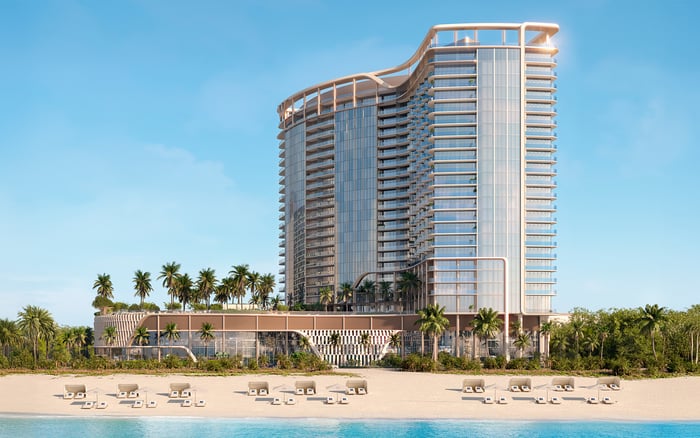
Broward’s most workable luxury-condominium choices for large-dog owners cluster along Fort Lauderdale and Pompano Beach. The decisive questions extend beyond weight to pet count, breed eligibility, owner-versus-tenant treatment, and seasonal leasing rules. This buyer’s guide identifies six strong policy profiles and a document-first process for confirming fit before a non-refundable commitment.

For buyers with a large dog, even the most polished oceanfront residence can become impractical if the association limits weight, excludes a breed, or imposes stricter standards on tenants. The issue is especially consequential for seasonal households that may occupy a home for part of the year and lease it during an absence.
Pet-friendly condominiums can be found throughout coastal Broward, from Fort Lauderdale and Pompano Beach to Hollywood, Deerfield Beach, Hillsboro Beach, and Lauderdale-by-the-Sea. Yet the strongest concentration of luxury options identified as workable for larger dogs lies around Fort Lauderdale Beach, Central Beach, Harbor Beach, Las Olas, and Pompano Beach’s A1A corridor.
A pet-friendly label is only the beginning of the inquiry for a large-dog household.
The distinction is essential. Pet count, weight allowance, and breed eligibility are separate tests. A condominium may allow pets of any size yet still exclude specified breeds. Another may welcome “large dogs” but define the term with a 75-pound ceiling. The rules may also differ depending on whether the animal belongs to an owner or a tenant.
The following order prioritizes the clarity and flexibility of the available pet-policy information, followed by setting and suitability for seasonal ownership. Every policy should still be reconfirmed through current association documents and written management guidance.
1. Harbourage Place: two dogs of any size
In Fort Lauderdale’s Harbor Beach area, Harbourage Place presents one of the clearest profiles for a household with two large dogs. Its stated allowance of two dogs of any size addresses both the count and weight questions that frequently narrow a condominium search.
2. Auberge Beach Residences: up to 150 pounds combined
Auberge Beach Residences permits two pets with a combined weight of up to 150 pounds. Direct beach access adds lifestyle appeal, although the policy should be reconfirmed with the association because a combined cap can yield a different result from an unrestricted per-pet allowance.
3. Casamar: larger dogs with breed restrictions
Casamar, a newer oceanfront tower on Pompano Beach’s A1A corridor, allows larger dogs while maintaining breed restrictions. It can suit a qualifying large-dog household, but breed approval remains an independent threshold, not a formality.
4. Solemar: larger dogs with breed restrictions
Also on the Pompano Beach oceanfront, Solemar offers a comparable profile: larger dogs are permitted, subject to breed limitations. Buyers should ask whether the same standard applies to residents, approved tenants, and future lessees.
5. Jackson Tower: established large-dog option
Jackson Tower is identified as a large-dog-friendly luxury choice in the Fort Lauderdale Beach and Las Olas corridor. Its location places it within one of Broward’s principal clusters for buyers seeking both upscale condominium living and a workable canine policy.
6. The Palms north tower: beachfront large-dog profile
The Palms’ north tower is another recognized large-dog-friendly option along the Fort Lauderdale Beach corridor. As with every established association, the current declaration, house rules, pet rider, and approval procedures should govern the decision.
The shortlist is a starting point, not permission to skip a building-by-building review. At Auberge Beach Residences & Spa Fort Lauderdale, the two-pet, 150-pound combined allowance deserves direct confirmation before contract deadlines or deposits. Buyers should establish whether the cap applies identically to owners and tenants and whether breed restrictions modify the headline allowance.
In Pompano Beach, Casamar illustrates why “larger dogs allowed” does not mean unconditional acceptance. Breed eligibility still matters. Buyers comparing other new oceanfront choices, including W Pompano Beach Hotel & Residences, should request the current policy rather than extrapolate from neighboring towers.
The same discipline applies farther north. Hillsboro Beach is part of Broward’s pet-friendly coastal geography, but that does not establish the rules at any particular property. A buyer considering Rosewood Residences Hillsboro Beach should treat its governing documents as the sole basis for evaluating pet eligibility, leasing flexibility, and seasonal use.
A seasonal buyer is effectively testing two systems. The first governs the animal: number of pets, maximum weight, breed exclusions, registration, screening, deposits, and conduct rules. The second governs occupancy: minimum lease periods, annual rental limits, owner waiting periods, application timing, and association approval.
These systems should be reviewed independently. A building can accommodate a large dog yet prohibit the owner’s preferred rental pattern. Conversely, pet-friendly seasonal inventory in Hollywood and Fort Lauderdale confirms that renters can find homes accepting dogs, but an individual rental advertisement does not prove that every residence in the condominium carries the same rights or that short-term leasing is permitted.
Owner and tenant standards are especially important. Some newer Fort Lauderdale Beach condominiums permit pets of any size for both groups, although breed restrictions may remain. In other buildings, an owner’s dog may qualify while a future tenant’s dog does not. Written confirmation can prevent a seasonal income plan from resting on an assumption.
Begin with the recorded declaration and bylaws, then review the current house rules, pet rider, lease provisions, application materials, and written management guidance. Request answers that identify the rule’s effective date and clarify whether a board-adopted policy supplements the recorded documents.
Confirm the maximum number of animals, the weight test for each pet, any combined-weight formula, and all breed restrictions. Determine whether screening, registration, deposits, recurring charges, veterinary records, or insurance documentation are required. If the household has two large dogs, obtain an explicit written response addressing both animals rather than relying on a generic “pet friendly” description.
Then test the seasonal plan. Confirm minimum lease length, permitted leases per year, waiting periods after purchase, tenant approval timing, and whether tenant pet rules match owner pet rules. Vacation-rental availability across Fort Lauderdale and Broward may demonstrate demand, but it does not establish an association’s leasing rights.
Finally, allow sufficient time in the contract for legal and association review. For a buyer balancing oceanfront living, pets, and a seasonal calendar, precision is a form of luxury: the right home is one whose rules work on arrival day and during every absence that follows.
For private guidance on Broward residences aligned with your household and ownership plan, connect with MILLION.
If branded residences are on your mind — as a home or as an allocation — we would be glad to share what we are seeing, privately.
Begin a quiet conversationHarbourage Place allows two dogs of any size, making it one of the clearest identified options for a household with two large dogs.
It permits two pets weighing up to 150 pounds combined. Buyers should reconfirm the current policy directly with the association.
Both are identified as permitting larger dogs, but breed restrictions apply and should be checked for each animal.
No. Weight allowance and breed eligibility are separate tests, so an any-size policy may still exclude specified breeds.
No. Seasonal buyers should obtain written confirmation of the rules for both owners and tenants before relying on a leasing plan.
No. A 75-pound ceiling may accommodate some large dogs, but it is still a weight restriction rather than an any-size allowance.
No. A listing may show that a particular rental accepts dogs, but association documents determine building-level pet and leasing rights.
Review the declaration, bylaws, house rules, pet rider, lease provisions, application materials, and written management guidance.
Confirm minimum lease periods, annual rental limits, waiting periods, approval procedures, and whether tenants receive the same pet privileges as owners.
The principal clusters are Fort Lauderdale Beach, Central Beach, Harbor Beach, Las Olas, and Pompano Beach’s A1A corridor.