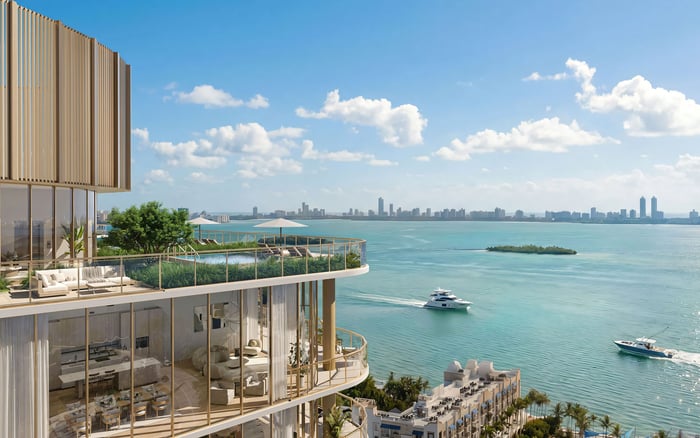
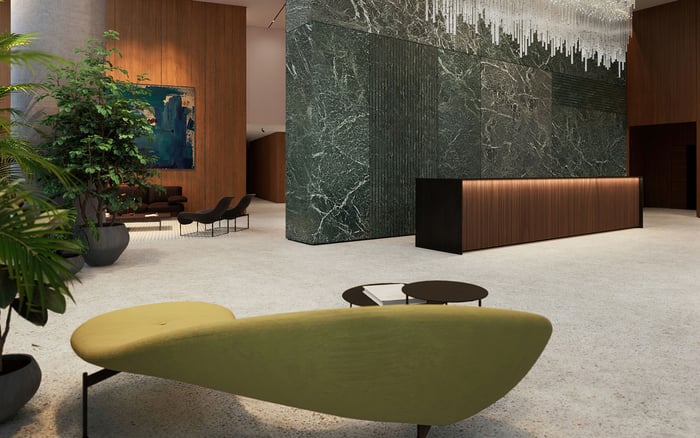
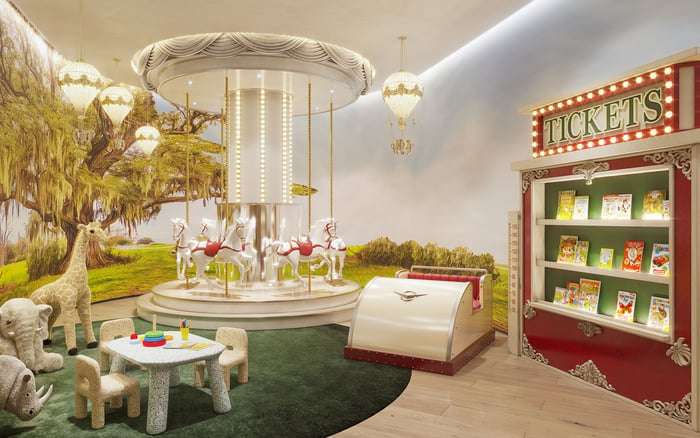
Five seasonal-owner candidates across Wynwood and the Design District, distinguished by rental flexibility and brand positioning, with a precise look at the benefits, booking rights, and operator protections buyers should establish before committing.
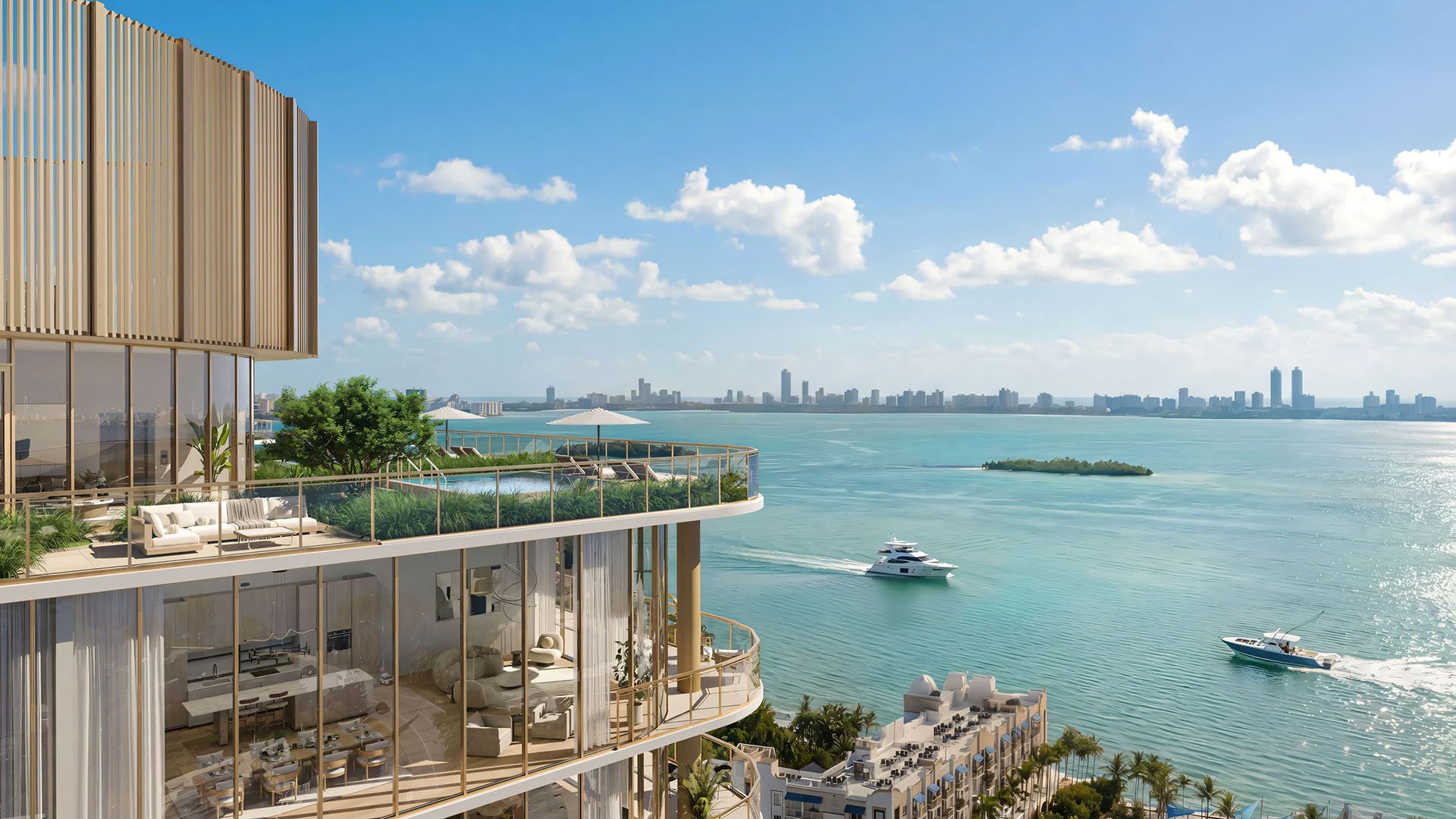
For a seasonal owner, luxury includes arriving without rebuilding a household on every visit. A residence should accommodate personal stays, remain manageable during absences, and make its service obligations clear before purchase. A recognizable brand can frame that promise, but it cannot replace enforceable terms.
This five-choice shortlist ranks projects by their stated seasonal-use concepts, rental flexibility, and brand positioning-not by investment returns or guaranteed service benefits. Despite the broader geographic brief, all five candidates sit in Wynwood and the Design District area; no Downtown Miami project appears in the ranking. Current sales availability and construction progress require individual confirmation.
The central distinction is between identity and operation. Branded residences can carry hospitality, automotive, fashion, artistic, or culinary affiliations. Those associations do not automatically establish hotel management, owner booking priority, or an ongoing entitlement to specific services.
1. DUOS Wynwood - boutique condo-hotel concept
DUOS leads for its explicit seasonal-use and short-term-stay positioning. The planned eight-story development comprises 49 residences in studio, one-bedroom, and two-bedroom hotel condominium layouts. Its stated team includes Wave Group Development, Vitrium Capital, and Zambala Luxury Apartments, with interiors by AvroKO and architecture by MKDA’s Miami practice. Groundbreaking is targeted for late 2026 and completion for 2028; both remain projections, not confirmed milestones.
Its planned rental language allows stays “up to 30 days.” That wording must not be recast as a 30-day minimum or treated as a complete leasing policy. The condo-hotel concept makes DUOS a relevant starting point, but long-term operator arrangements, owner-use restrictions, and management obligations remain unestablished.
2. Frida Kahlo Wynwood Residences - artist-branded rental flexibility
Planned at 119 NW 29th Street, Frida Kahlo Wynwood Residences pairs an artist-branded identity with stated short-term-rental permission. The proposed development contains 244 residences across towers of eight and 14 stories. Its anticipated schedule calls for groundbreaking in fall 2026 and completion in 2029; neither confirms current progress or assures delivery.
The seasonal-owner appeal is rental flexibility, not a proven hospitality-management package. Permission to rent does not establish who handles reservations, whether owners must enter a management program, or which services accompany occupancy. That distinction earns Frida Kahlo second place while keeping the purchase decision anchored to the actual leasing rules.
3. Kempinski Residences Miami Design District - hospitality affiliation
Kempinski ranks third for its recognizable hospitality identity within the Design District-area pipeline. Its appeal lies in the opportunity to evaluate a hospitality-branded residence, not in a demonstrated advantage in short-term leasing or owner-use flexibility.
Project-specific rental limits, booking priority, and operator-continuity terms remain unestablished. Buyers should distinguish the brand affiliation from the entity contractually responsible for residential service. The broader Miami pipeline’s anticipated 2026-to-2029 delivery window is not a confirmed completion date for Kempinski.
4. Jean-Georges Miami Tropic Residences - culinary-brand positioning
Jean-Georges Miami Tropic Residences ranks fourth for its culinary-led lifestyle positioning in the Design District area. For an owner who values food and entertaining, that identity offers a distinct proposition to investigate, but does not establish how the experience will function day to day.
Guaranteed in-residence dining, preferred reservations, and a standardized rental program remain unestablished. Each requires separate confirmation of eligibility, charges, and availability. As with Kempinski, the broader pipeline’s delivery range should not be assigned to this project as a confirmed completion date.
5. Fouquet’s-branded residences - hospitality identity and named partners
The Fouquet’s-branded Design District residences have a stated April 2026 sales launch, with Miami Design District Associates, Fort Partners, Raycliff Capital, and Constellation Hotels Holding. The hospitality affiliation and identifiable partners underpin fifth place-not a verified comparison of owner benefits.
Neither the sales launch nor the partner roster establishes present inventory, owner-use priority, loyalty privileges, or protection after a brand change. Seasonal buyers should request the operating structure and benefit schedule rather than assume those rights accompany the name.
The Wynwood choice begins with a practical distinction: permission to lease is not the same as a managed rental operation. For buyers considering Frida Kahlo Wynwood Residences, the next step is to establish how the stated flexibility accommodates personal occupancy.
Ask whether owners can block preferred dates, how far ahead they must reserve them, and whether existing guest bookings take precedence. Request minimum and maximum stay lengths, annual leasing limits, and any mandatory management arrangement. These are diligence questions, not established features of either Wynwood candidate. An owner’s intended winter calendar should fit the governing rules before projected rental income enters the discussion.
For Kempinski Residences Miami Design District, the essential question is what the hospitality affiliation obligates the residential operator to deliver. Concierge, housekeeping, and in-residence dining can be part of hospitality-branded living, but none should be presumed a guaranteed benefit here.
The evaluation of Miami Tropic Residences should likewise separate culinary identity from contractual access. A restaurant association, a reservation preference, and an in-residence dining commitment are distinct propositions. Determine which, if any, is promised to owners, what it costs, and whether guests or tenants are also eligible. Apply the same discipline to Fouquet’s rather than treating hospitality branding as a universal service standard.
Request the condominium declaration, occupancy and leasing rules, owner-benefit schedule, rental-management agreement, and relevant brand-license provisions. These documents should clarify three separate matters: what the owner may do, what the operator must provide, and what happens if the operating relationship changes.
For rental participation, examine management charges, housekeeping costs, cancellation terms, blackout periods, and the procedure for withdrawing a residence from availability. For personal stays, establish booking deadlines and whether owner priority is enforceable or subject to availability. For services, distinguish included benefits from chargeable requests and identify who can amend the schedule.
Operator continuity warrants a separate review. Ask about license duration, termination rights, replacement provisions, and which obligations would survive a change of brand or manager. Binding continuity protections remain unestablished for all five choices in the available project particulars. The strongest seasonal-owner fit will be the residence whose written terms support the buyer’s calendar and expectations-not simply the most familiar name.
For a discreet conversation about matching your seasonal calendar to a Miami residence, connect with MILLION.
If branded residences are on your mind — as a home or as an allocation — we would be glad to share what we are seeing, privately.
Begin a quiet conversationNo. The ranked choices are in Wynwood and the Design District area, despite the broader geographic scope of the title.
Its stated seasonal-use and short-term-stay concept provides the clearest basis for first place. The ranking does not establish superior returns or guaranteed services.
The stated language allows stays up to 30 days, which is not a 30-day minimum. Buyers should obtain the actual leasing rules before relying on that description.
DUOS is planned as an eight-story, 49-residence boutique condo-hotel. Groundbreaking is targeted for late 2026 and completion for 2028, both projections.
Short-term rentals are stated to be allowed, but the complete contractual rules are not established. That permission does not prove a hotel-management program or included hospitality services.
The artist-branded project is planned at 119 NW 29th Street with 244 residences in eight- and 14-story towers. Its anticipated groundbreaking and completion dates are fall 2026 and 2029, respectively.
No project-specific rental limits or owner-priority rights are established here. Buyers should confirm both in the governing and operating agreements.
Guaranteed in-residence dining and reservation priority are not established. Culinary-brand positioning should be evaluated separately from contractual service benefits.
The residences have a stated April 2026 sales launch with named development partners. That event does not establish current inventory, loyalty benefits, or protections after a brand change.
Request the condominium declaration, leasing rules, owner-benefit schedule, rental-management agreement, and relevant brand-license provisions. Review personal-use priority, fees, blackout periods, and operator-replacement terms.