A disciplined framework for aligning ownership, Florida homestead review, financing, title, and Massachusetts obligations before a Bay Harbor Islands closing.
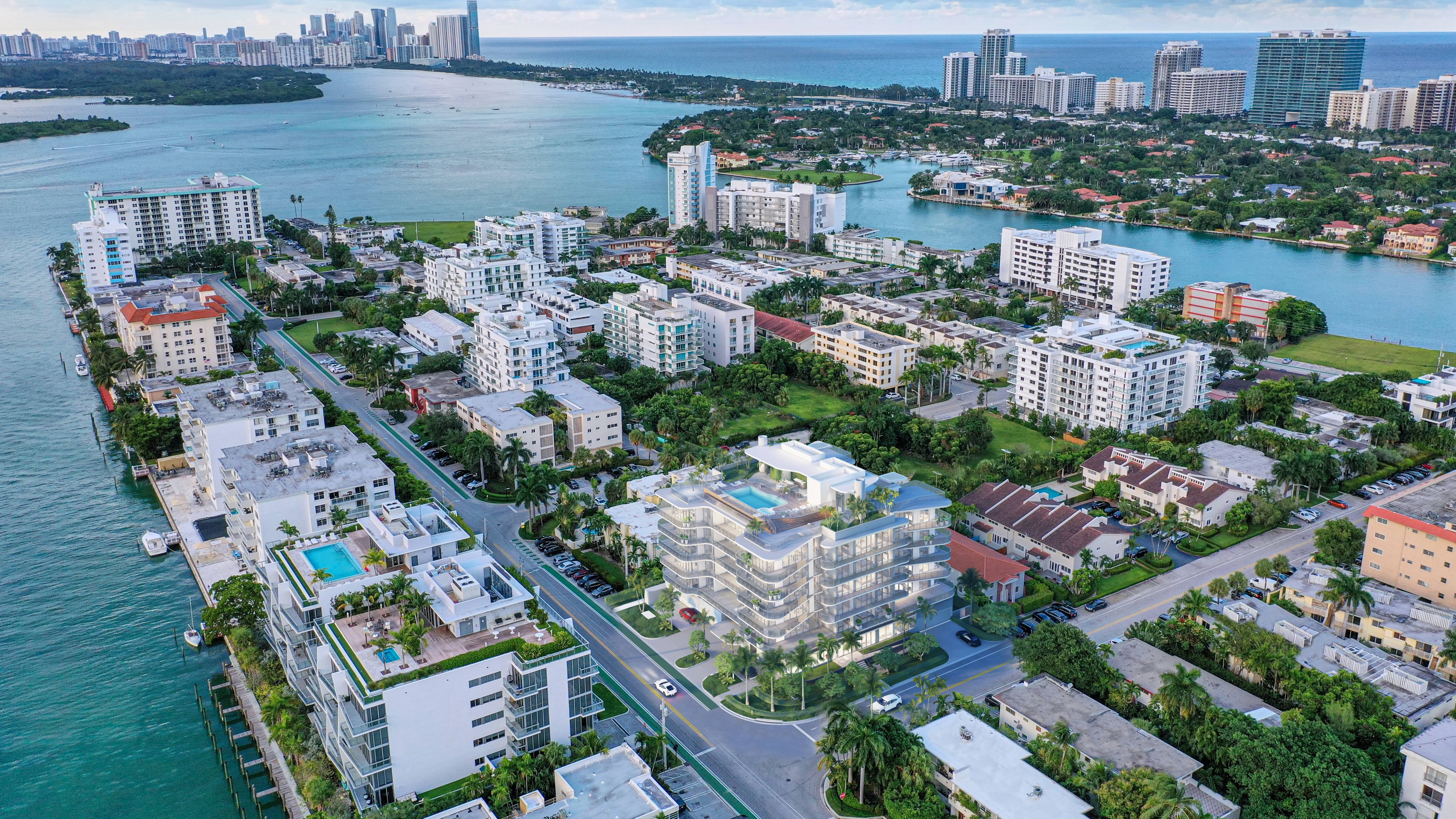
For a Boston buyer, acquiring a Bay Harbor Islands residence may coincide with decisions about domicile, retained property, financing, and whether the Florida home will serve as a primary residence, second home, or investment. Those intentions should be documented early so legal, tax, lending, insurance, title, and condominium reviews begin from the same premise.
The goal is not to choose the most elaborate arrangement. It is to make the proposed ownership approach consistent with the buyer’s intended use and the requirements identified by the professionals handling the transaction.
Personal, trust, and entity ownership can raise different questions. Before selecting one, the buyer should ask qualified Florida counsel and a tax adviser to evaluate the intended occupancy, financing plan, deed, insurance considerations, condominium documents, and administrative responsibilities.
An ownership plan should not be adopted solely because it has been used for another property. The appropriate approach depends on the buyer’s circumstances and the documents governing the specific transaction.
A move to South Florida does not by itself answer what should happen to property, entities, or business operations retained in Massachusetts. The buyer’s Massachusetts attorney and tax adviser should identify any continuing registration, filing, governance, tax, or administrative matters that require attention.
If an existing entity may participate in the Florida purchase, counsel should review that proposal before the contract, title, and lender files are established. If Massachusetts assets will remain separate from the Bay Harbor Islands residence, the written plan should make that distinction clear.
Potential Florida homestead treatment should be evaluated separately from the general appeal of entity ownership. Florida counsel should review the prospective owner, intended occupancy, deed, financing, insurance, and condominium requirements before advising on the structure.
Changing the proposed owner after documentation is underway may require renewed review by the title team, lender, insurer, association, or counsel. An early written decision can reduce conflicting instructions later in the closing process.
The buyer’s Florida attorney, Massachusetts attorney, tax adviser, lender, insurance professional, title team, and real estate adviser should receive a consistent written fact pattern. It can identify the intended use of the residence, proposed owner, financing plan, retained Massachusetts interests, open questions, and the adviser responsible for each decision.
Before signing, the team should confirm that the named purchaser reflects the reviewed plan or that counsel has approved any needed flexibility. During diligence, the proposed deed should be considered alongside the lender, insurance, and condominium requirements. Before funding, the parties should verify signing authority and complete any unresolved approvals relevant to the closing.
The legal and administrative plan should follow the buyer’s intended use of the specific residence. Someone comparing Alana Bay Harbor Islands with Onda Bay Harbor should not allow a design preference alone to determine how the property will be owned.
The same transaction-specific discipline applies when evaluating The Well Bay Harbor Islands and La Maré Bay Harbor Islands. Counsel and the closing team should review the documents and requirements applicable to the selected residence rather than rely on assumptions drawn from another condominium.
A coordinated closing file gives every adviser the same account of occupancy, ownership, financing, and continuing obligations. Final legal and tax decisions should come from the buyer’s qualified advisers after they review the complete circumstances.
Should the ownership plan be reviewed before a purchase contract is signed? Early review can help align the named purchaser with the buyer’s intended use, financing, title, and closing requirements.
Is an entity automatically the right owner for a Bay Harbor Islands residence? No universal answer applies. Florida counsel and a tax adviser should evaluate the buyer’s circumstances and the specific transaction documents.
Why does intended occupancy matter? Whether the residence is planned as a primary home, second home, or investment can affect the questions advisers need to review.
Who should evaluate potential Florida homestead treatment? Qualified Florida counsel should assess the prospective owner, occupancy plan, deed, financing, insurance, and applicable condominium requirements.
Should Massachusetts matters be reviewed after the move? They should be reviewed before departure if the buyer will retain Massachusetts property, entities, or business operations.
Can the proposed owner be changed during the transaction? A proposed change should be reviewed before it is made because it may affect title, lending, insurance, condominium, or legal documentation.
What should the shared closing file contain? It should state the intended use, proposed owner, financing plan, retained Massachusetts interests, open decisions, and responsible advisers.
Which professionals may need to coordinate? The team may include Florida and Massachusetts counsel, a tax adviser, lender, insurance professional, title team, and real estate adviser.
Why must the selected condominium be reviewed individually? Each transaction has its own documents and requirements, so assumptions based on another residence may not apply.
What is the central objective of pre-closing coordination? The objective is to keep ownership, occupancy, financing, title, and continuing obligations consistent across the transaction file.
When you're ready to tour or underwrite the options, connect with MILLION.
If branded residences are on your mind — as a home or as an allocation — we would be glad to share what we are seeing, privately.
Begin a quiet conversation