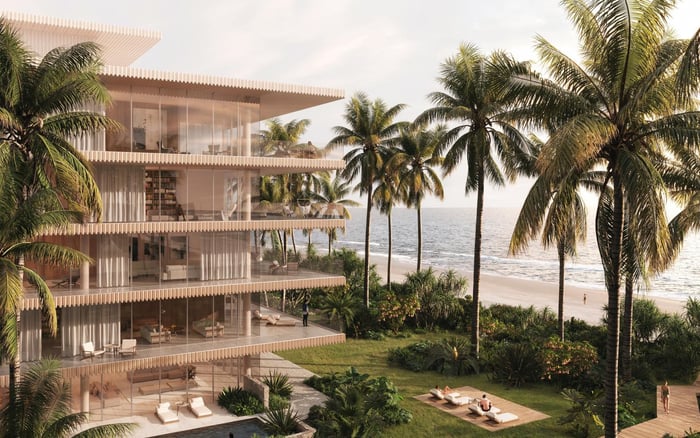
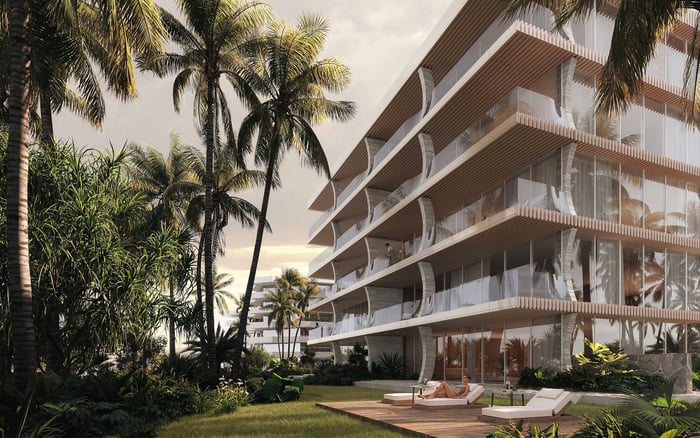
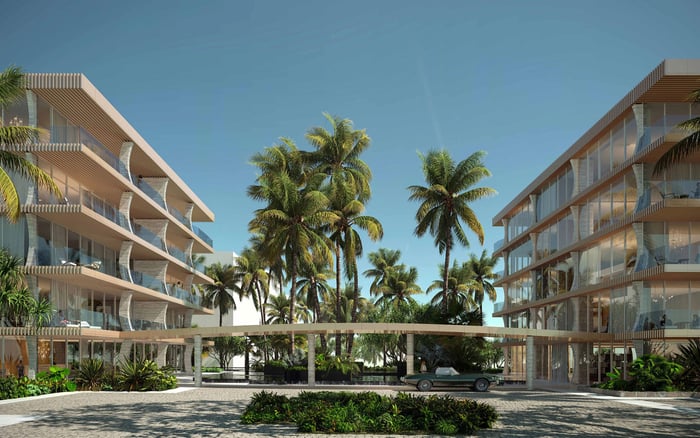
A refined Palm Beach Gardens residence can look immaculate while moisture, chloride exposure, aging balcony membranes, or narrow window-warranty exclusions remain concealed. This buyer’s guide explains what to inspect, which records to request, and how to compare visible condition with the association’s capital plan before committing.
In Palm Beach Gardens, a residence’s polished condition is only one part of the purchase decision. Salt carried through the coastal environment, persistent humidity, intense sun, thermal movement, and rain can test concrete balconies, waterproofing layers, sealants, windows, and doors in different ways. Exposure also varies by orientation, elevation, wind, landscaping, and proximity to open water, making a broad coastal label no substitute for a property-specific review.
This matters whether the search centers on a waterfront condominium such as The Ritz-Carlton Residences® Palm Beach Gardens or another luxury address in the wider Palm Beach market. A disciplined assessment treats the unit, exterior enclosure, association records, and future capital obligations as one interconnected picture.
A flawless balcony finish does not establish that the assembly beneath it is dry.
This is where aesthetics give way to building science. A newly coated slab edge or freshly grouted terrace may look reassuring, but neither reveals why the work was done, how much material was removed, or whether corroded steel was treated first.
Concrete is porous. When chlorides carried by salt air penetrate it, they can compromise the protective layer around reinforcing steel. The steel then oxidizes, and the expanding rust exerts pressure from within. Often called oxide jacking, this process can cause cracking, delamination, and spalling. Florida humidity can accelerate its progression, while delayed repairs can make restoration more invasive and costly.
Look beyond obviously broken concrete. Rust bleeding, white mineral deposits known as efflorescence, recurring cracks, hollow-sounding areas, patched slab edges, and corrosion around railing posts all merit closer examination. The slab underside is especially important because a balcony surface can appear sound even after water has reached the reinforcing steel below.
Visible deterioration is not a diagnosis. A qualified inspector or structural professional can help distinguish cosmetic wear from evidence warranting further investigation. The objective is not to predict failure from a stain, but to determine whether observed conditions align with the documented maintenance and repair history.
The waterproof membrane beneath balcony tile or topping typically has a service life of about 15 to 25 years. UV exposure, weathering, temperature cycles, and foot traffic can reduce its elasticity, adhesion, or thickness. Once the membrane fails, repeated rain can carry moisture into structural concrete and progressively expand the scope of repair.
Ask when the membrane was last fully replaced, which system was installed, who designed and inspected the work, and whether the project was building-wide or limited to local patches. In South Florida, a building may already be on its second or third membrane generation, making a coherent replacement history more valuable than evidence of isolated coating work.
Proper restoration may require removing finishes and unsound concrete, treating or replacing corroded reinforcement, rebuilding the concrete, and installing a new waterproofing system. Applying a coating over damaged concrete can conceal or trap continuing deterioration. Specifications, permits, inspection records, and contractor warranties should make this distinction clear.
During a viewing, note ponding, persistent staining, peeling or bubbling coatings, repeated tile or grout cracks, musty conditions, and leaks or mold in the space below. The same questions apply when assessing other waterfront offerings, including Palm Beach Residences and Alba West Palm Beach. A prestigious setting does not eliminate the need to verify the assembly.
Water inside a unit may enter through multiple pathways. Balcony drainage, slab transitions, railing penetrations, window perimeters, failed sealants, coatings, and adjacent facade conditions can overlap. Damp ceilings, recurring paint repairs, discolored baseboards, mineral streaking, or a history of mold should prompt questions about the source, testing, and completeness of prior remediation.
Request the latest structural-engineering reports, reserve studies, waterproofing specifications, permits, contractor warranties, and board minutes addressing leaks, balconies, spalling, garage decks, windows, sealants, or facade work. Compare the dates and scope across documents. A recurring issue in board minutes, paired with narrow patch invoices, may tell a different story from a designed, permitted, and inspected restoration program.
Responsibility also demands careful reading. The condominium declaration may divide obligations for balcony finishes, structural slabs, railings, windows, perimeter sealants, and interior water damage between the owner and the association. Confirm that allocation with appropriate legal and inspection professionals rather than assuming every exterior component is common property.
Impact glazing is not the same as unconditional coastal coverage. Some manufacturers restrict or exclude warranty protection for installations near coastlines, in high-rise towers, or within Florida High-Velocity Hurricane Zones. Standard limited warranties may expressly exclude corrosion caused by salt atmosphere and other extreme conditions. Home-improvement warranties may also exclude flooding, storm or debris damage, unauthorized modifications, maintenance failures, cosmetic damage, and certain saltwater corrosion.
Obtain the manufacturer, model, installation date, Florida product approval, installer details, coastal-grade specification, maintenance instructions, and complete written warranty. If a package is described as coastal grade, verify the exact finish, alloy, hardware, and coverage in writing. Upgraded components can be meaningful, but a dealer’s description is not a warranty term.
Maintenance can affect both performance and coverage. Exterior frames, hardware, sills, and weep holes may require rinsing with fresh water monthly-or more frequently with direct oceanfront exposure. Use moderate pressure, as forceful washing can drive water behind glazing or sealant lines. Ask who performs this work, how access is managed, and whether maintenance is documented.
The inquiry applies to resale and new-construction purchases alike. When comparing a northern Palm Beach County option with Glass House Boca Raton, examine the actual product schedule and warranty for each property rather than inferring performance from age, branding, or price.
The most consequential risk may be convergence. Balcony membranes, sealants, coatings, windows, and related components installed during the same construction cycle can reach the end of their useful lives at roughly the same time. A visually pristine unit may therefore sit within a building approaching several overlapping capital projects.
Review planned concrete, facade, waterproofing, and window work against current reserves and approved assessments. Ask what has been funded, what remains under study, and whether bids, specifications, or permits exist. Then align those findings with the purchase contract, insurance review, inspection rights, and condominium documents.
The refined buyer is not seeking a maintenance-free coastal residence. The goal is clarity: a documented enclosure history, properly scoped repairs, understandable ownership responsibilities, credible reserves, and warranties that match the actual exposure. That knowledge supports a more confident valuation and a more composed ownership experience.
For discreet guidance on Palm Beach Gardens and South Florida luxury residences, connect with MILLION.
If branded residences are on your mind — as a home or as an allocation — we would be glad to share what we are seeing, privately.
Begin a quiet conversationChlorides can penetrate porous concrete and compromise the protective layer around reinforcing steel. Expanding rust then contributes to cracking, delamination, and spalling.
Yes. Moisture may penetrate the assembly and begin corroding reinforcing steel even when the finished surface appears intact.
The typical service-life range is about 15 to 25 years. Exposure, traffic, weathering, and maintenance can affect actual performance.
Rust stains, efflorescence, recurring cracks, hollow areas, ponding, peeling coatings, dampness below, and repeated tile or grout failures warrant attention.
Not if concrete is delaminated or reinforcement is corroded. Those conditions should be addressed before a new waterproofing system is installed.
Request engineering reports, reserve studies, specifications, permits, warranties, and board minutes concerning leaks, balconies, spalling, windows, decks, and facade work.
Responsibility may be divided between the owner and association. Review the declaration separately for finishes, slabs, railings, windows, sealants, and resulting water damage.
No. Some warranties restrict or exclude coastal corrosion and may contain location, maintenance, high-rise, or hurricane-zone limitations.
Freshwater rinsing is commonly recommended monthly, with greater frequency for direct oceanfront exposure. Moderate pressure is preferable to forceful washing around glazing and sealants.
Membranes, sealants, coatings, windows, and related systems may require work during the same period. Reserves and assessments indicate how the association expects to fund that work.