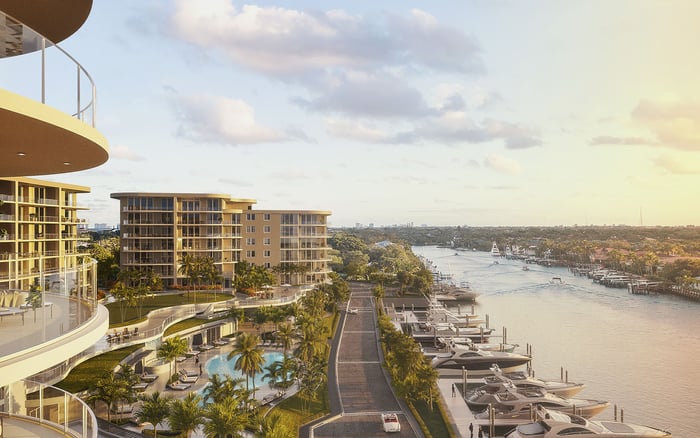
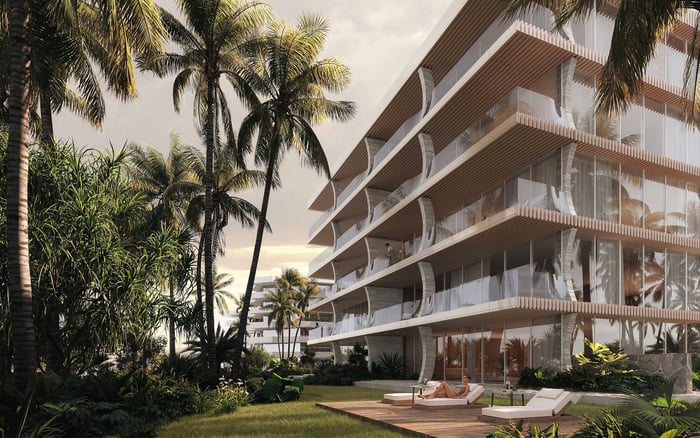
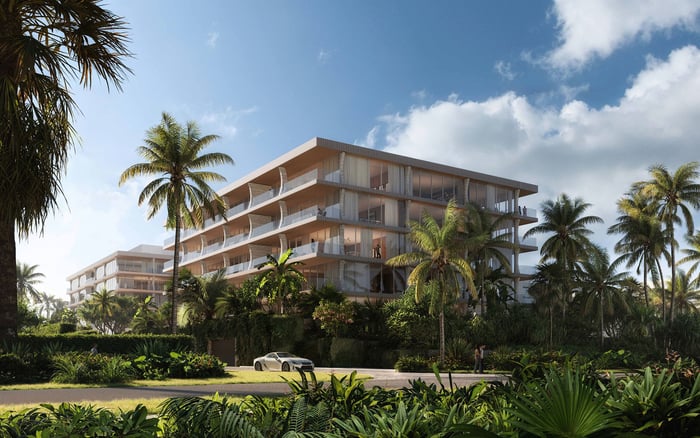
Palm Beach penthouse value depends on more than elevation and outdoor space. Buyers should verify recorded roof and terrace rights, component-level maintenance duties, mechanical adjacency, assessment exposure, and the documents an appraiser will need to support a premium.
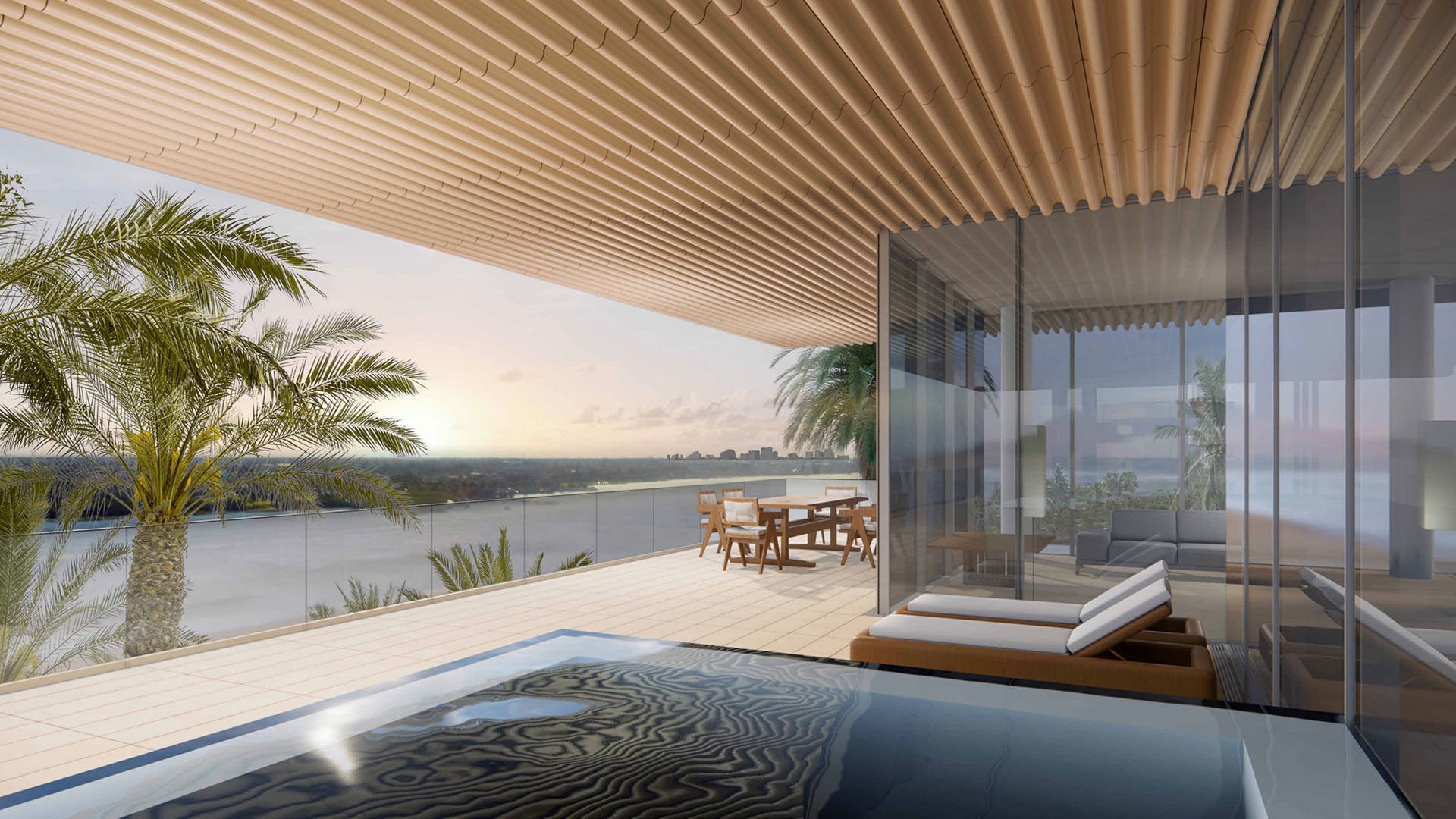
A Palm Beach penthouse may command attention for its elevation, privacy, and outdoor living, but its most consequential attributes can be buried in the condominium declaration. The essential question is not simply whether a resident uses a roof deck or terrace. It is whether that space forms part of the unit, is a limited common element reserved for the unit, or remains a general common element subject to association control.
Florida condominium law generally places maintenance of common elements with the association. The declaration, however, can assign maintenance of a limited common element to the benefiting owner. Exclusive use alone does not establish ownership, define boundaries, or settle costs. The recorded documents must do that work.
This discipline applies across the market, whether considering Palm Beach Residences or evaluating established inventory elsewhere on the island. Document review is part of the asset analysis, not a closing formality.
Roofs typically function as common elements, placing repair and replacement under association responsibility. Yet a penthouse owner may hold an exclusive right to use a defined area without owning the underlying roof assembly. Buyers should confirm whether that right runs with the unit, whether it can be revoked, and whether association personnel may enter for inspections or repairs.
Responsibility should then be mapped component by component. The structural slab, waterproofing membrane, drains, railings, doors, and exterior walls may be treated differently from tile, pavers, planters, lighting, or an owner-installed outdoor kitchen. Balcony and terrace slabs can remain common structural elements even when their surfaces serve only one residence.
A leak illustrates the distinction. The association may repair the common-element roof, while interior flooring, finishes, furniture, and other property fall under separate declaration or insurance provisions. The objective is a written allocation-not an assumption based on physical location.
The top floor can sit closest to chillers, cooling towers, exhaust fans, generators, elevator machinery, condensers, and service routes. Shared installations may be common elements controlled by the association. Equipment serving a single residence may instead be unit property or a limited common element, with maintenance or cost obligations assigned to that owner.
Visit bedrooms and outdoor areas while systems are operating. Listen for cycling, tonal noise, and vibration. Note heat discharge, odors, screening, technician access, and any interference with entertaining areas. A quiet showing at an unrepresentative hour is not enough.
Request equipment plans, engineering materials, complaint records, repair budgets, and details of planned rooftop alterations. The same scrutiny belongs in West Palm Beach comparisons such as Forté on Flagler West Palm Beach and The Ritz-Carlton Residences® West Palm Beach. Such comparisons provide market context, but each building's governing documents remain controlling.
A private outdoor area may feel inseparable from the residence, yet its legal treatment can be layered. Confirm who approves alterations, who must remove finishes when the association accesses the slab or membrane, and who pays to reinstall them. Determine whether prior improvements received formal approval and whether any alteration agreement transfers to the buyer.
The declaration should also address drainage, penetrations, planters, railings, waterproofing, and access. If the association restores only a basic surface after structural work, a bespoke terrace finish could leave the owner with a substantial reinstatement obligation. That possibility should be evaluated alongside insurance and reserve planning.
For waterfront residences, outdoor space can be central to the purchase thesis. A buyer comparing Palm Beach with Glass House Boca Raton should still avoid treating all terraces as legally or financially equivalent.
There is no universal appraisal adjustment for roof access, mechanical adjacency, unclear terrace rights, or assessment exposure. Each can influence marketability and value, but the effect is property-specific. An appraiser can support a premium more confidently when exclusive-use rights are recorded, transferable, clearly bounded, and accompanied by approved plans.
Provide the declaration, roof-use provisions, alteration agreements, assessment history, engineering materials, and evidence of transferable rights. Conversely, revocable permission, informal historical use, unresolved noise, or ambiguous restoration duties can weaken the narrative. The question is not merely whether the buyer appreciates the amenity, but whether the claimed benefit is legally durable and financially legible.
Common-element work can also reach owners through assessments. Roof, façade, balcony-restoration, and mechanical liabilities therefore matter even when the association performs the work. Review budgets and anticipated projects alongside the residence's allocated share.
Before signing, have qualified advisers review unit boundaries, limited common elements, maintenance, alterations, access rights, insurance, and cost allocation. Pair that review with a physical inspection and document-based engineering diligence.
The closing file should identify every roof or terrace right, the components covered, responsible parties, approval history, access conditions, and reinstatement duties. It should also record nearby equipment and known future work. This is not a substitute for legal, engineering, insurance, or appraisal advice. It is a framework for commissioning each discipline intelligently.
Does exclusive roof access mean the roof belongs to the penthouse? No. Exclusive use does not itself place the roof within the unit; the declaration must establish the right and its boundaries.
Who usually maintains a condominium roof in Florida? The association generally maintains common-element roofs, subject to the declaration's specific allocation of duties.
Can a terrace be a limited common element? Yes. A declaration may reserve a common-element terrace for the exclusive use of one or more specified units.
Does limited-common-element status automatically make the owner pay? No. The declaration must assign maintenance or cost responsibility to the benefiting owner.
Who pays when a roof leak damages the residence? The association may repair the common-element roof, while responsibility for interior damage can depend on the declaration and insurance.
Why inspect while mechanical equipment is running? Operating conditions can reveal noise, vibration, heat, odors, and service traffic that a quiet showing may conceal.
What rooftop equipment deserves attention? Review nearby chillers, cooling towers, exhaust fans, generators, elevator machinery, condensers, and associated access routes.
Can owner-installed terrace finishes create extra costs? Yes. Removal or reinstatement of pavers, planters, tile, lighting, or an outdoor kitchen may be allocated separately from structural work.
How should roof rights be presented to an appraiser? Supply recorded provisions, approved plans, alteration agreements, assessment history, engineering materials, and proof that exclusive-use rights transfer with the unit.
Is there a standard appraisal discount for mechanical adjacency? No fixed adjustment is established here. Any effect should be analyzed through the property's documented conditions, rights, costs, and marketability.
For a discreet conversation and a curated building-by-building shortlist, connect with MILLION.
If branded residences are on your mind — as a home or as an allocation — we would be glad to share what we are seeing, privately.
Begin a quiet conversation