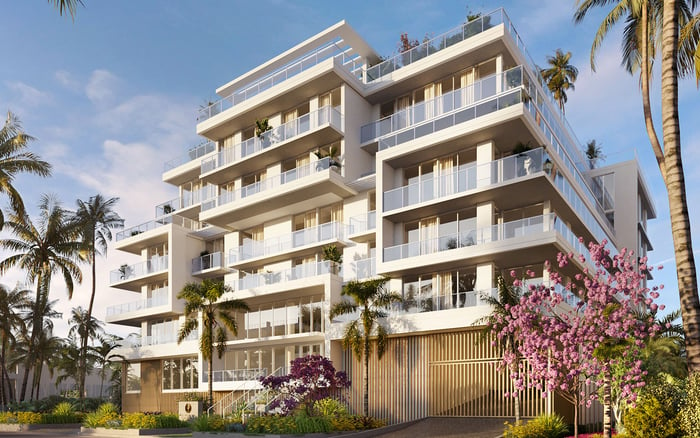
For boating-minded Edgewater buyers, a water view is only the opening question. The decisive work is verifying dock rights, vessel fit, navigational constraints, operating obligations, and the distinction between a compelling residence and a genuinely workable boating base.

For an Edgewater buyer with a boat, the ownership equation extends well beyond architecture, elevation, and a luminous water view. The central question is not simply whether a residence faces the water, but whether the property supports the buyer's actual boating life with sufficient certainty, convenience, and control.
That distinction matters because waterfront living, marina access, and dockage rights are not interchangeable. A polished arrival by water may sound persuasive, yet it does not establish where an owner may keep a vessel, how frequently a dock can be used, or whether access transfers with the residence.
The disciplined approach is to evaluate two assets in parallel: the home and the boating arrangement. Each should satisfy its own standards before the combined proposition warrants a premium.
Begin by translating broad language into specific rights. Is a slip deeded, assigned, licensed, leased, separately purchased, shared, or subject to availability? Can the arrangement be transferred with a sale? Can it be withdrawn or reassigned? Who controls the dock, and which documents govern its use?
Treat the boat-slip question as a matter of title, contract, and operations-not as an amenity description. Request the applicable declaration, rules, agreements, fee schedules, insurance requirements, and any vessel approval process. Counsel should review the legal nature of the right; the buyer should determine whether the practical terms align with the intended frequency of use.
A residence can still be compelling without private dockage. The essential point is to understand and price that limitation clearly, rather than allowing visual proximity to imply a benefit that has not been documented.
Dockage must accommodate the owner's present vessel and foreseeable next vessel. Verify permitted dimensions, draft, beam, height, weight, fendering needs, utility requirements, boarding arrangements, and restrictions on tenders or personal watercraft. Confirm how dimensions are measured and who has authority to approve a vessel.
Where appropriate, the physical inspection should be conducted with marine expertise. The review can address maneuvering room, approach conditions, dock configuration, shore power, water, lighting, security, loading access, and the path between the residence, parking, storage, and vessel. Convenience is cumulative: a series of small frictions can materially affect how often an owner uses the boat.
Buyers comparing Aria Reserve Miami and EDITION Edgewater should therefore keep residential preferences separate from assumptions about dockage. Every boating feature and right requires property-specific confirmation.
Clearance should never be treated as a single number detached from the intended itinerary. Map the complete route from the prospective dock or launch point to the buyer's preferred destinations. Identify every fixed and movable bridge, then verify operating procedures, relevant clearances, navigation windows, and any conditions that may affect passage.
The vessel's true air draft also requires careful confirmation, including equipment above the nominal profile. A route that works for one configuration may not work for another. Buyers should ask a qualified captain or marine professional to review the vessel and route together, preferably under conditions representative of actual use.
Time belongs in the analysis as well. Even when passage is possible, delays, opening protocols, and route complexity may diminish spontaneity. For some owners, that inconvenience is minor. For others, it changes the value of keeping a boat near home.
A sophisticated shortlist can include residences with different relationships to the water. Lilli Miami Edgewater and The Cove Residences Edgewater may enter a buyer's broader comparison, but the final purchase should rest on verified documents and direct diligence-not assumptions drawn from a project name, rendering, or location.
This is where the home and vessel strategies can be recombined. One buyer may prefer a particular residence and arrange dockage independently. Another may place documented, convenient control of a dock near the top of the brief. Neither choice is inherently superior. The right answer depends on vessel profile, use pattern, tolerance for logistics, and the value assigned to certainty.
Within practical buyer's guides, this separation is especially useful: first select the best residence, then determine whether the associated boating solution is dependable enough to support the lifestyle being purchased.
The financial review should extend beyond a quoted slip charge. Ask about acquisition or initiation costs, recurring assessments, utilities, maintenance responsibilities, insurance, deposits, taxes where applicable, and potential charges tied to repairs or capital work. Determine which expenses are fixed, which can change, and which belong to a separate entity.
Also confirm guest policies, crew access, service-provider access, fueling rules, loading procedures, overnight restrictions, and security protocols. These details may appear operational, but they shape daily ownership and should be understood before the contract becomes difficult to unwind.
Finally, consider resale. A clearly documented, transferable arrangement may be easier for a future buyer to evaluate than an informal expectation. Conversely, an arrangement tailored to one vessel may have limited relevance to the next owner. The purchase analysis should distinguish personal utility from durable property value.
Before closing, coordinate legal review, property documents, dock inspection, vessel measurements, route testing, insurance confirmation, and a written accounting of costs. Any unresolved point should be treated as a condition requiring clarification-not as a detail to address after ownership begins.
The objective is not to make every Edgewater purchase revolve around boating. It is to prevent a beautiful residence from being valued as a boating asset when the associated rights, route, or operating structure do not support that conclusion. Precision protects both enjoyment and negotiating discipline.
Does a water view mean a residence includes dockage? No. A view, waterfront position, marina use, and a legal right to a slip should each be verified separately.
What is the first dockage document a buyer should request? Request every governing agreement and rule defining control, assignment, fees, permitted use, and transferability.
Should a slip be reviewed by real estate counsel? Yes. Counsel can assess the legal character of the arrangement and whether it transfers with the residence.
Why must the exact vessel be part of diligence? Length alone is insufficient. Beam, draft, air draft, equipment, utilities, and maneuvering needs can all affect suitability.
How should bridge clearance be evaluated? Review the entire intended route against the vessel's verified air draft and obtain qualified marine guidance.
Can movable bridges still affect convenience? Yes. Operating procedures and potential waiting times can determine whether a route suits the owner's use pattern.
What dock costs belong in the budget? Confirm acquisition, recurring, utility, insurance, maintenance, assessment, deposit, and repair obligations in writing.
What operational rules deserve attention? Review policies governing guests, crew, contractors, loading, fueling, security, tenders, personal watercraft, and overnight use.
Is off-site dockage a valid ownership strategy? It can be, provided the buyer independently verifies availability, access, costs, vessel fit, and route convenience.
What should remain unresolved at closing? Ideally, nothing material. Rights, vessel approval, route feasibility, costs, insurance, and transfer terms should be clear.
For a confidential assessment and a building-by-building shortlist, connect with MILLION.
If branded residences are on your mind — as a home or as an allocation — we would be glad to share what we are seeing, privately.
Begin a quiet conversation