A discreet due-diligence framework for collectors evaluating climate control, storage, security, artwork movement, and insurance before purchasing a South Florida residence.

A residence may photograph beautifully yet remain poorly suited to a serious collection. Before Miami’s private-club season brings a fuller calendar of dinners, exhibitions, and arrivals, buyers should examine how art will live in the property when no one is looking. The essential questions concern climate stability, light, security, storage, access, documentation, and the boundary between private insurance and building responsibility.
This is not simply a curatorial exercise. It is property due diligence. A buyer assessing a second-home purchase should involve an insurance adviser, art conservator, security specialist, and qualified installation team early enough to inform negotiations, interior plans, and the move itself.
Begin with conditions inside the unit, not the finish schedule. Ask whether temperature and humidity can remain stable during occupied and unoccupied periods, how the systems are monitored, and who receives an alert when performance changes. Determine whether art walls share surfaces with plumbing, kitchens, bathrooms, exterior glazing, or mechanical spaces.
Request a room-by-room review of daylight and artificial light. Large windows may define the experience of a waterfront home, but a conservator should evaluate exposure for each work and medium. Window treatments, lighting specifications, sensor placement, and backup procedures should be resolved before installation-not improvised after closing.
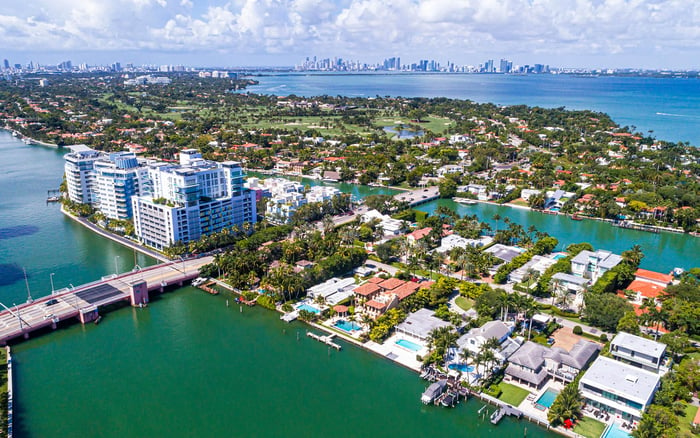
In Miami Beach, a tour of Faena House Miami Beach is an opportunity to ask how the particular residence-not the building in the abstract-would support the collection. Conditions can vary by orientation, floor plan, interior alterations, and owner operations.
“Storage” is not a sufficient description. Ask to see the exact location proposed for works, crates, archival materials, pedestals, and specialized hardware. Determine whether the space is conditioned, monitored, secure, and separated from water sources, household chemicals, mechanical equipment, and routine service traffic.
Collectors should also decide what must remain on-site. Empty crates can consume valuable space, yet discarding bespoke packing may complicate future transport. Ask whether the building permits deliveries to and removals from storage areas, whether off-site storage will be necessary, and how inventory movements will be recorded.
Design and architecture choices belong in this discussion. Millwork depth, wall reinforcement, door clearances, ceiling suspension points, and lighting tracks can determine whether a planned installation is practical. At The Residences at 1428 Brickell, or any Brickell prospect, buyers should test their installation plan against the selected residence’s actual dimensions and building rules before committing.
The safest display room is irrelevant if a work cannot reach it without unnecessary handling. Walk the entire route: arrival point, security check, loading area, service corridor, elevator, unit entry, and final room. Measure every turn and opening against the packed dimensions-not merely those of the artwork itself.
Ask who authorizes access, whether specialist crews require advance approval, which hours are available, and what protective materials may be used in common areas. Clarify where a vehicle can wait and where unpacking may occur. If an elevator interruption, weather event, or schedule change halts the delivery, a predetermined secure alternative should replace an ad hoc decision.
For an island purchase such as The Residences at Six Fisher Island, route planning merits its own pre-closing review. The objective is not to presume a problem, but to identify every custody transfer and approval before valuable property moves.
A staffed entrance does not answer every collection-security question. Buyers should ask how visitors, domestic staff, contractors, installers, photographers, and event vendors are admitted and documented. Within the residence, consider discreet alarms, door contacts, cameras where appropriate, and alerts that do not depend on someone being home.
Treat privacy as seriously as physical protection. Access to inventory files, valuations, installation photographs, guest images, and vendor schedules should be controlled. A polished lifestyle program for entertaining should establish rules for photography, temporary furniture moves, food and beverage service, and rooms that remain private.
When considering The Surf Club Four Seasons Surfside, buyers can ask management how proposed private protocols would interact with current building procedures. Confirm the answers for the specific ownership, staffing, and use plan rather than inferring them from branding.
Before binding coverage, give the insurance adviser a complete picture: ownership structure, occupancy pattern, collection locations, expected loans, planned acquisitions, storage arrangements, domestic staffing, and frequency of entertaining. Ask whether the collection must be scheduled item by item, what documentation is expected, and how newly acquired works are handled before the inventory is updated.
Clarify the geographic scope of coverage and every stage of a move. Ask when responsibility transfers among seller, shipper, installer, storage provider, building, and owner. Transit, unpacking, installation, temporary storage, conservation, and lending should each be addressed expressly. Buyers should also understand deductibles, exclusions, valuation language, notification duties, and any requirements tied to alarms, climate systems, vacancy, or emergency planning.
Qualified advisers should review the residence policy, collection policy, building documents, and vendor certificates together. The purpose is to identify gaps and overlaps before a loss-not to debate responsibility afterward.
Create one controlled file containing the collection inventory, current valuations, condition records, installation plan, wall elevations, packed dimensions, vendor contacts, insurance documents, and emergency instructions. Once verified, add the building’s delivery rules, approved access route, elevator dimensions, and management contacts.
Before closing, assign responsibility for alerts, periodic visual checks, inventory changes, and policy updates. Before the first seasonal event, conduct a tabletop review covering a mechanical failure, water alert, security incident, and interrupted delivery. The goal is calm execution, with every adviser knowing whom to call and what authority they hold.
Should art suitability be reviewed before making an offer? Ideally, it should be considered during due diligence so storage, access, systems, and alterations can inform the purchase decision.
Is a standard residence inspection enough for a collection? No. A conservator, insurance adviser, security specialist, and installer may need to assess collection-specific risks within their respective disciplines.
What should buyers ask about climate control? Ask about stability, monitoring, alerts, maintenance, unoccupied periods, and the response plan for a system interruption.
Can a conventional closet serve as art storage? Only after qualified advisers evaluate its climate, water exposure, security, dimensions, materials, and access conditions.
Why do packed dimensions matter? Crating increases size and may determine whether a work can clear elevators, corridors, doors, and turns along the delivery route.
Who should approve an artwork move? The owner’s designated adviser should coordinate with the insurer, specialist shipper, installer, and building management before movement.
Does building insurance cover privately owned art? Buyers should not assume so. Counsel and insurance advisers should review the building documents and the owner’s policies together.
Should works be listed individually on a policy? Ask the insurer which objects require scheduling and what valuation, provenance, photographic, or condition documentation is needed.
How should event staff be managed around art? Establish access zones, supervision, photography rules, vendor instructions, and a plan to protect vulnerable works before guests arrive.
What belongs in an emergency plan? Include decision-makers, insurer and vendor contacts, shutoff information, priority objects, safe-access procedures, and approved temporary storage.
For a confidential assessment and a building-by-building shortlist, connect with MILLION.
If branded residences are on your mind — as a home or as an allocation — we would be glad to share what we are seeing, privately.
Begin a quiet conversation.jpg&width=700&height=438&fit=cover)