A buyer-focused guide to evaluating winter service reliability in South Florida residences before purchasing around Miami Grand Prix use, with questions for staffing, access, building systems, associations, and lifestyle fit.
Buying a South Florida residence around Miami Grand Prix use is not simply about proximity, views, or an impressive arrival sequence. For the private client, the more revealing test is whether the building performs gracefully when demand intensifies. A residence that feels effortless on a quiet weekday may operate very differently when owners, guests, household staff, drivers, chefs, vendors, and deliveries converge at once.
That is why winter service reliability deserves its own due diligence track. South Florida’s high season places a premium on staffed operations, guest control, valet cadence, elevator availability, maintenance responsiveness, and the invisible choreography between management and residents. For an F1 weekend, those details matter even more because the residence may function as both private retreat and hospitality base.
A polished lobby is only the beginning. The true luxury is continuity: the car is ready, the elevator arrives, the air conditioning is steady, the guest list is understood, and the residence feels calm even when the city is moving quickly.
The first buyer question should be practical: how does the building operate at peak occupancy? In a luxury tower, reliability is less about any single amenity and more about the relationship between systems, staffing, rules, and resident culture. A building with strong service architecture anticipates pressure rather than improvising around it.
Ask how management handles arrival surges, guest authorization, ride-share staging, private drivers, service elevators, package volume, and vendor access. Ask whether owners receive advance communication before major weekends and whether the building distinguishes between resident convenience and outside event traffic. In the best residences, these protocols are quiet, practiced, and consistent.
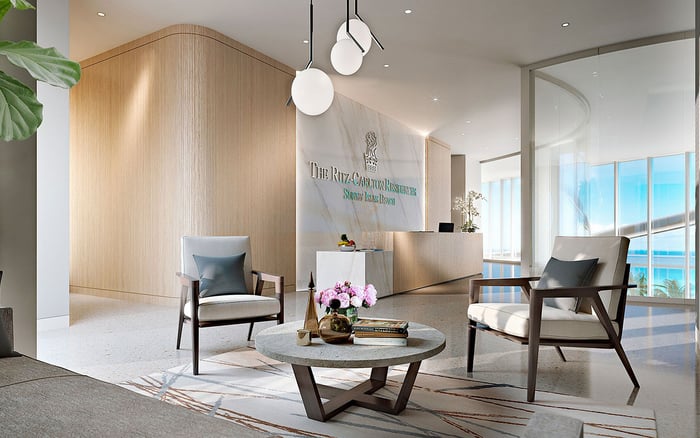
Brickell buyers often focus on skyline energy, restaurant access, and financial-district convenience. Those attributes are compelling, but the winter reliability question remains central. A buyer comparing residences such as St. Regis® Residences Brickell should ask not only how the building looks on arrival, but how it stages people, vehicles, staff, and services when the neighborhood is at full tempo.
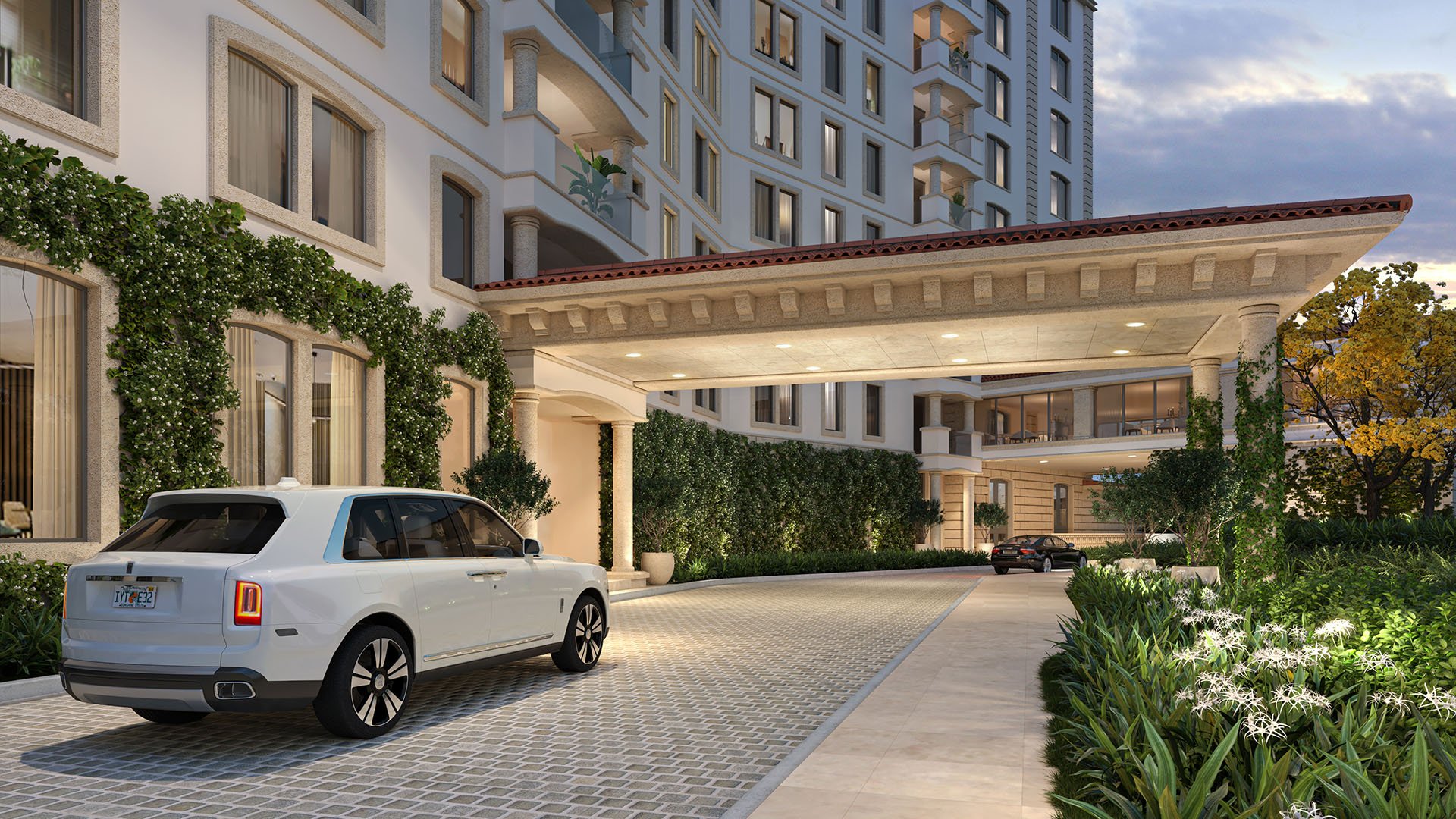
For Grand Prix use, access is part of the residence itself. The private arrival should feel controlled, even when the broader city does not. Buyers should examine the sequence from street to porte cochère, from valet to elevator, and from lobby to residence. Each transition is a possible friction point.
Key questions include how many vehicles can be handled at once, whether resident cars are prioritized, how guest vehicles are identified, and how building staff communicates during high-demand periods. If the residence will host family, friends, or corporate guests, the guest protocol should be reviewed before contract, not after closing.
Miami Beach requires particular attention to access planning because the lifestyle is defined by destination appeal, beach proximity, dining, clubs, and seasonal movement. In this context, a residence such as The Perigon Miami Beach belongs in a broader conversation about privacy, arrival discipline, and the ability to preserve calm while the surrounding area is in demand.
Luxury buyers often inspect finishes with precision, yet service reliability lives behind the walls. Elevators, cooling systems, life-safety routines, loading docks, waste management, security desks, and engineering response shape the day-to-day ownership experience. During winter and event weekends, these components are tested more frequently.
Ask about elevator service routines, resident elevator separation, service elevator procedures, preventive maintenance culture, and after-hours engineering coverage. A building can have beautiful amenities and still frustrate owners if back-of-house operations are thin or reactive.
For new-construction and recently completed residences, buyers should also understand the handoff from developer-led operations to long-term association governance. That transition can be smooth, but it deserves attention. The question is not whether a building is new or established; it is whether the operating model is mature enough for the way you intend to live.
Staffing is the most underestimated luxury amenity because it rarely appears in renderings. Yet it determines how a residence feels in use. A concierge who recognizes patterns, security teams that understand privacy, valet teams that manage expectations, and engineering staff that solve problems quickly can elevate a building from impressive to dependable.
Before buying, ask how staffing levels change during winter, weekends, and major local events. Ask how temporary staff are trained, who supervises overnight operations, and how resident requests are documented. If the buyer plans to use the residence as a second home, continuity becomes even more important because issues may need to be handled while the owner is away.
In Sunny Isles Beach, where many buyers are drawn to waterfront vertical living, the same principle applies. A residence such as Bentley Residences Sunny Isles may be considered within a service-first review that looks beyond design identity and into the reliability of arrival, staffing, maintenance, and resident support.
The financial and governance side of the building matters because service reliability requires funding, discipline, and clear priorities. Buyers should review association materials with an eye toward operating temperament. Are maintenance issues addressed proactively? Are budgets aligned with the service level being promised? Are reserves, insurance, staffing, and capital planning treated as core ownership concerns rather than afterthoughts?
This is where a buyer’s guide framework becomes valuable. The goal is not to overcomplicate the purchase; it is to align the romance of the residence with the realities of shared ownership. A well-run building communicates clearly, enforces rules consistently, and understands that luxury service is a system, not a mood.
Buyers should also ask about rental policies, guest limitations, move-in controls, construction rules, pet procedures, amenity reservations, and vendor requirements. Even if those issues feel secondary during a tour, they can define the owner experience during winter.
Not every buyer needs the same operating profile. A collector who wants a quiet family base may prioritize privacy, parking, and staff discretion. A host who entertains during race week may care more about guest processing, catering access, and amenity reservation rules. A frequent traveler may focus on lock-and-leave management, package handling, and maintenance communication.
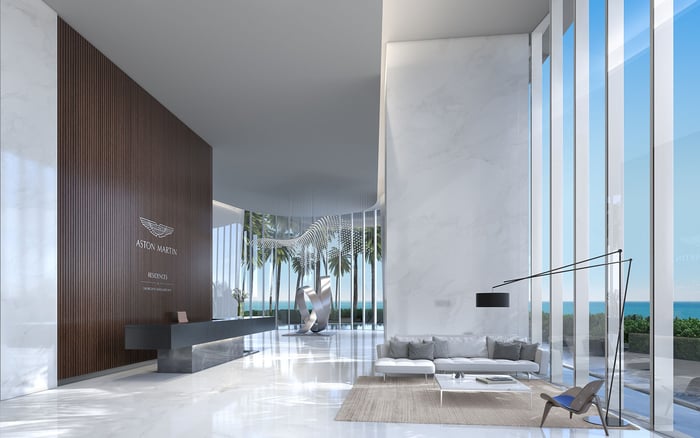
Downtown Miami and Brickell buyers may prize immediacy, energy, and vertical convenience. Waterfront buyers may value separation and resort-like calm. In Downtown Miami, a residence such as Aston Martin Residences Downtown Miami can sit within a lifestyle conversation about arrival, views, and access, but the same winter-service questions should remain at the center of the decision.
The best purchase is not simply the most dramatic property. It is the residence whose service model matches the buyer’s actual use case. For Grand Prix ownership, that means stress-testing both the glamorous moments and the ordinary ones.
Before making an offer, ask management and the listing team how the building handles peak weekends, resident communications, valet overflow, vendor traffic, guest approvals, elevator demand, and engineering requests. Ask who is accountable when something goes wrong and how quickly residents are updated.
Tour at more than one time of day if possible. Observe the lobby without being announced. Watch the valet stand. Notice whether staff appear composed or stretched. Look at how deliveries are handled. Consider whether the building’s culture feels resident-led or event-led.
Most important, do not confuse scarcity with suitability. A rare view, a beautiful terrace, or a celebrated address can be extraordinary, but reliability is what makes ownership feel effortless. The residence should protect time, privacy, and comfort when South Florida is at its most animated.
Why does winter service reliability matter for a Miami Grand Prix buyer? Winter and major event periods can place greater pressure on staffing, access, elevators, and guest protocols, directly affecting owner comfort.
Should I prioritize location or building operations? Both matter, but a prime location without dependable operations can feel compromised during high-demand periods.
What should I ask the valet team before buying? Ask how resident cars are prioritized, how guest vehicles are handled, and what happens during peak arrival windows.
Are newer buildings always more reliable? Not necessarily. Reliability depends on staffing, governance, maintenance culture, and how well the operating model has matured.
How can a second-home owner evaluate service quality? Focus on communication, maintenance response, package handling, access control, and procedures for owner absences.
What association documents are most relevant? Review budgets, rules, insurance information, reserve planning, meeting materials, and policies governing guests, vendors, and rentals.
Does Miami Beach require different due diligence than Brickell? Yes. Each area has its own access patterns, lifestyle expectations, and seasonal pressures, so the building’s procedures should match the setting.
What is the biggest red flag during a tour? Disorganized arrival management, unclear staff answers, inconsistent security procedures, or visible strain at ordinary times can be warning signs.
Should I ask about event-week policies before contract? Yes. Guest approvals, amenity use, deliveries, vendors, and vehicle procedures should be understood before the purchase becomes binding.
Can service reliability affect long-term enjoyment? Absolutely. The most enduring luxury is a residence that works smoothly when the owner is present, traveling, or hosting.
For a discreet conversation and a curated building-by-building shortlist, connect with MILLION.
If branded residences are on your mind — as a home or as an allocation — we would be glad to share what we are seeing, privately.
Begin a quiet conversation