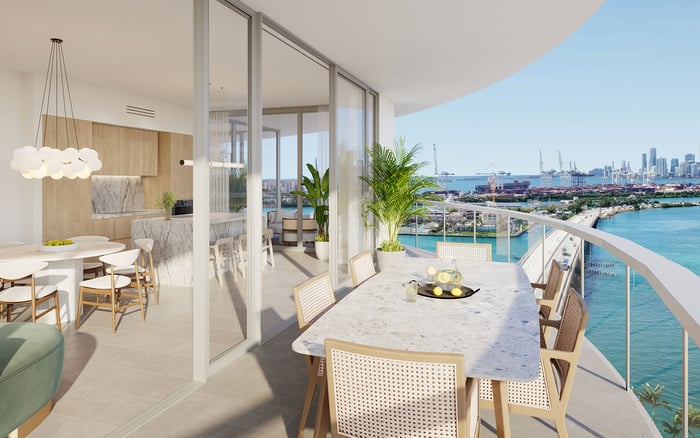
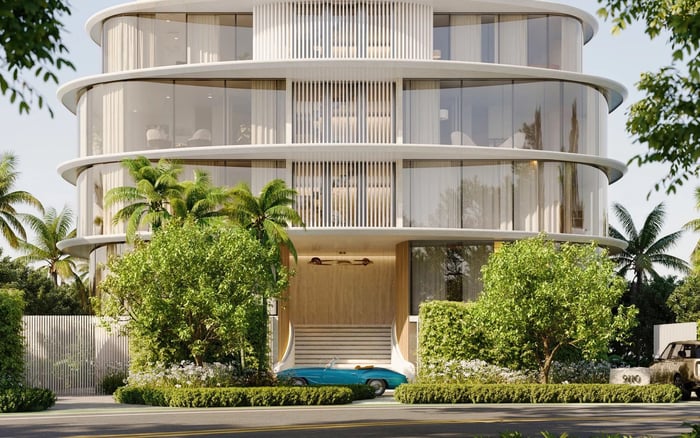
A six-month reported lease minimum points toward lower turnover, but city licensing thresholds, enforcement, access controls and occupant conduct still require close review.

At The Estates at Acqualina Sunny Isles, the reported rental policy sets a six-month minimum. That is materially different from a condominium permitting nightly, weekly or even 90-day stays. It points to fewer tenant transitions, fewer move-ins and less frequent orientation of new occupants through the lobby, elevators and amenity spaces.
Yet “short-term rental flexibility” can mislead unless a buyer separates three issues: the condominium’s governing documents, the City of Sunny Isles Beach licensing threshold and Miami-Dade County’s definition of a short-term vacation rental. These frameworks do not share a universal duration.
Miami-Dade defines a short-term vacation rental as a dwelling rented for less than 30 days or one calendar month, whichever is shorter. Sunny Isles Beach, however, requires a city Short-Term Vacation Rental License when a multifamily residence is offered for six months or less. An exact six-month lease therefore warrants specific confirmation rather than an assumption that it falls outside every short-term framework.
A lease minimum can shape turnover, but enforcement determines the lived experience.
A longer minimum term generally limits the number of possible tenant changeovers in a year. Compared with a property allowing 90-day rentals several times annually, a six-month minimum implies less recurring screening, credential issuance, luggage movement, delivery coordination and guest onboarding. For an owner who values a residential rhythm, that distinction can be meaningful.
It is not, however, a promise of silence. One long-duration tenant can create more disruption than several considerate occupants, while a well-managed building can absorb periodic leasing with little visible friction. Noise depends on behavior, unit location, adjacent occupancy and the consistency of management’s response. Security depends on who receives credentials, how identities are verified, whether access expires properly and how guests move through private and shared areas.
Buyers comparing The Ritz-Carlton Residences® Sunny Isles or Turnberry Ocean Club Sunny Isles should not infer rental policy from neighborhood, service level or brand positioning. Each association’s current declaration, amendments and operating procedures require independent review.
The overlapping duration standards are more than a technicality. A lease may fall outside Miami-Dade’s under-30-day vacation-rental definition yet remain within Sunny Isles Beach’s licensing threshold of six months or less. Before closing, counsel should confirm how an exact six-month lease is treated in practice and whether the owner, tenant or unit must complete any city process.
County vacation-rental rules illustrate the risks regulators seek to control. Transient occupants must comply with prohibitions against unreasonably loud, excessive, unnecessary or unusual noise. Outdoor amplified sound is prohibited at vacation rentals at all times. Public-nuisance activities-including illegal drug sales, prostitution, gang activity, gambling, illegal alcohol sales and lewd behavior-are also prohibited.
The county framework also calls for a responsible party who is available around the clock for complaints, inspections and emergencies and can appear within 60 minutes after county personnel make contact. Operators must maintain a guest register and provide occupants with written rules covering noise, nuisance, parking, trash and common areas.
Some county administrative requirements apply to unincorporated Miami-Dade, including obtaining a Certificate of Use before advertising a qualifying rental on a peer-to-peer platform. A buyer in incorporated Sunny Isles Beach should not automatically transpose that procedure onto the city. The relevant question is which city, county and association requirements apply to the specific residence and proposed lease.
For a luxury buyer, the practical audit begins at arrival. Ask management to explain tenant applications, background review, owner authorization and the interval between approval and credential activation. Determine whether tenants and guests receive different credentials, whether elevator access is restricted by floor and how vendors, household staff and delivery personnel are logged.
Then inspect the handoff points. Who verifies identification at the front desk? Can digital credentials be shared? When does access terminate after a lease? Are amenity reservations tied to a named resident? How does security handle an unregistered visitor after hours? These operational details often reveal more than a broad assurance of controlled access.
Occupancy limits also matter. For qualifying short-term vacation rentals, Sunny Isles Beach permits two people per bedroom plus two additional people, subject to a maximum of 12, excluding children under three. If the association imposes a lower limit, the more restrictive standard governs. Buyers should request the association’s occupancy language and ask how it is monitored without compromising resident privacy.
The same scrutiny belongs in comparisons with Bentley Residences Sunny Isles and other ultra-premium towers. Building design and service may influence circulation, but neither replaces documented screening, credential discipline and consistent enforcement.
Request the current declaration, rules and regulations, rental amendments, application forms and fee schedule directly from the association. Verify minimum duration, maximum leasing frequency, renewal treatment, waiting periods, approval rights, transfer fees and penalties. Ask whether any units are grandfathered, whether exceptions exist and whether a hospitality component changes transient traffic.
Management should also clarify whether exact six-month leases require a city license. Review move-in procedures, loading access, elevator reservations, guest registration and enforcement records. Minutes and violation materials, to the extent available through the appropriate diligence process, may indicate whether written policies are actively administered.
Noise diligence should be physical as well as documentary. Visit at different times, observe door and elevator traffic, and consider the residence’s relationship to amenity areas and service routes. A calm daytime tour cannot establish evening conditions, just as a strict lease minimum cannot eliminate sound transmitted from shared spaces or neighboring homes.
The central tradeoff is not simply rental flexibility versus privacy. It is the degree of flexibility, the frequency of turnover and the strength of the operating system surrounding both. The Estates’ reported six-month minimum points toward a more residential occupancy pattern than policies allowing several 90-day leases annually, but buyers still need confirmation from the current governing documents.
Within MILLION’s Buyer's Guides, searches involving Short-term-rentals, Long-term-rentals and Investment require especially careful document review. For The Estates at Acqualina Sunny Isles and the broader Sunny Isles Beach market, the most valuable conclusion is property-specific: policy language establishes the boundaries, while staffing and enforcement shape everyday life.
For discreet guidance on South Florida’s most considered residences, connect with MILLION.
If branded residences are on your mind — as a home or as an allocation — we would be glad to share what we are seeing, privately.
Begin a quiet conversationThe publicly described policy is a six-month minimum. Buyers should confirm the current rule in the association’s governing documents.
No. A six-month minimum excludes conventional nightly and weekly stays.
Sunny Isles Beach applies its Short-Term Vacation Rental License threshold to multifamily rentals of six months or less. Buyers should confirm how the city and building handle an exact six-month term.
It is a dwelling rented for less than 30 days or one calendar month, whichever is shorter.
No. It may reduce turnover, but noise still depends on occupant behavior, unit location, management and enforcement.
Review tenant screening, identity verification, guest registration, credential expiration, elevator controls, vendor access and after-hours procedures.
Transient occupants cannot create unreasonably loud or excessive noise, and outdoor amplified sound is prohibited at all times.
The limit is two people per bedroom plus two additional people, up to 12, excluding children under three.
Yes. When the association’s occupancy limit is lower than the city’s, the more restrictive limit governs.
Request the declaration, rules, rental amendments, applications, fee schedule and relevant enforcement materials directly from the association.