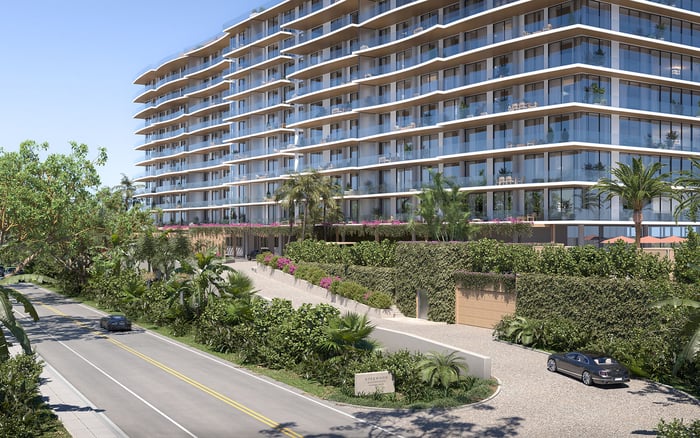
Buyers evaluating Armani/Casa Residences Pompano Beach should verify how private dining, outside catering, guest access, shared-space reservations, noise controls, fees, insurance, and cleanup rules would affect their preferred style of entertaining.

Before buying at Armani Casa Residences Pompano Beach, define what entertaining means for your household. A dinner prepared by the owner, an evening with a private chef, a catered family celebration, and a gathering in a shared lounge can trigger different operational requirements.
Create several realistic scenarios and identify the number of guests, expected hours, service personnel, deliveries, equipment, music, alcohol, and parking needs for each one. This exercise gives sales or management representatives concrete questions to answer and helps prevent broad assurances from being mistaken for binding policy.
A polished setting matters, but written operating rules determine how smoothly an event can unfold.
A branded residential setting should not automatically be treated as a hotel service model. Buyers should verify whether dining support is an owner responsibility, a concierge-coordination function, an available building service, or some combination of the three.
Ask whether the property will arrange chefs, servers, bartenders, catering, rentals, setup, or cleanup. If assistance is available, confirm whether it is included, separately charged, provided by an outside vendor, or subject to advance booking. Also determine who remains responsible for vendor conduct, damage, waste removal, and compliance with building rules.
This distinction matters when comparing branded choices. Someone also considering W Pompano Beach Hotel & Residences should compare the actual governing documents and service terms rather than assume that different brands provide equivalent entertaining support.
For in-residence dining, review the kitchen, circulation, storage, ventilation, surfaces, and seating arrangement in the specific floor plan under consideration. Consider where a chef or caterer would unpack, prepare food, plate courses, store supplies, and remove refuse without disrupting guests or affecting protected common areas.
The physical layout is only part of the analysis. Request written confirmation of whether private chefs, servers, bartenders, florists, rental companies, and other event personnel are permitted. Ask whether they must be registered, approved, licensed, or insured and whether certificates of insurance must meet stated requirements.
Clarify any restrictions involving portable cooking equipment, open flames, decorations, amplified sound, furniture movement, alcohol service, or commercial photography. If the event would require unusual power, water, ventilation, or waste handling, determine whether those needs can be accommodated before treating the plan as feasible.
A shared lounge, outdoor kitchen, pool area, meeting room, or other amenity should not be treated as a private venue unless the applicable documents expressly allow the intended use. Ask which spaces can be reserved, whether exclusive use is possible, and who has priority when several residents request the same date.
For each relevant space, request the permitted hours, occupancy limit, guest limit, reservation window, fees, deposits, cancellation terms, alcohol rules, sound restrictions, furniture policies, security requirements, and cleanup obligations. Confirm whether food may be prepared or merely served and whether outside staff may enter or remain in the space.
Buyers comparing The Ritz-Carlton Residences® Pompano Beach or Waldorf Astoria Residences Pompano Beach should apply the same checklist to each property. The appearance of an amenity does not establish its reservation rights, staffing model, or permitted event uses.
Vendor access can determine whether an otherwise straightforward dinner remains practical. Ask where chefs and caterers check in, which entrance they use, whether security needs a roster, and whether the owner must be present when personnel arrive. Determine whether the number of workers or the duration of their access is limited.
Confirm the approved route for food, flowers, beverages, linens, tableware, furniture, and rental equipment. Questions should cover loading access, delivery hours, elevator reservations, protective coverings, staging areas, carts, refrigeration, refuse removal, and post-event pickups. If elevator or loading appointments are required, ask how far in advance they must be secured.
Insurance deserves separate review. Obtain the required coverage limits and certificate language directly from the appropriate project representative. Determine whether both the vendor and owner may be responsible for damage, rule violations, overtime, additional cleaning, security, or building staff.
Entertaining plans should also address the full guest journey. Verify registration procedures, identification requirements, arrival instructions, elevator access, parking or valet arrangements, and any limits during busy periods. Ask whether larger groups require advance notice or additional security and whether the owner must accompany guests in common areas.
Noise and conduct rules can affect both in-residence gatherings and time spent in shared spaces. Review quiet hours, balcony or terrace restrictions, music policies, smoking rules, alcohol provisions, and the process used to handle complaints. Determine who can end a gathering and what fees or other consequences may apply if an owner, guest, or vendor breaches a rule.
Accessibility and weather contingencies should be included when relevant. If a gathering depends on an outdoor area, identify whether an indoor alternative exists and whether a reservation can be changed. Avoid assuming that another shared area will be available as a backup.
Sales discussions can clarify intent, but the declaration, rules and regulations, association procedures, reservation agreements, and management policies should control the due-diligence review. Ask for the current documents available before contract and identify which provisions may be adopted or revised later.
Pay particular attention to definitions of guests, private events, commercial activity, nuisance, common-area use, vendors, deliveries, alcohol, and owner responsibility. If a policy is important to the purchase decision, request a written answer and ask which document governs it. Buyers should seek appropriate legal guidance when the language is unclear or the planned use is especially important.
Do not substitute assumptions from another condominium. Even a nearby residential option such as Ocean 580 Pompano Beach may follow different procedures, allocate different responsibilities, or revise its rules on a different schedule.
The final checklist should connect each desired gathering with the relevant space, approval, vendor, delivery plan, guest procedure, cost, and cleanup responsibility. Record who supplied each answer and retain the applicable written policy with the purchase file.
Key questions include whether a chef may work inside the residence, whether a caterer may serve in a shared amenity, whether a space can be reserved exclusively, and whether event personnel may circulate through common areas. Buyers should also confirm booking lead times, cancellation rules, deposits, additional staffing charges, and the authority responsible for approving exceptions.
The central issue is not whether sophisticated entertaining appears possible in concept. It is whether the project-specific documents and operating procedures support the buyer’s actual plans on acceptable terms.
For discreet guidance on evaluating South Florida residences through both design and operations, consult MILLION.
If branded residences are on your mind — as a home or as an allocation — we would be glad to share what we are seeing, privately.
Begin a quiet conversationConfirm where dining may occur, which spaces can be reserved, and which approvals, fees, deposits, and operating rules apply.
Buyers should request written confirmation of whether private chefs are permitted and whether registration, approval, or insurance is required.
The applicable policy should confirm whether caterers are allowed and explain security, insurance, delivery, elevator, staging, and cleanup requirements.
Exclusive use should not be assumed. Verify eligible spaces, booking procedures, time limits, guest limits, charges, and cancellation terms.
Ask about loading access, delivery hours, elevator reservations, staging, protective coverings, refuse removal, and pickup procedures.
Review registration, identification, arrival, elevator access, parking or valet arrangements, security, and any host-presence requirement.
Request details on reservation fees, deposits, staffing, security, overtime, cleaning, damage, and cancellation charges.
Review quiet hours, music, alcohol, smoking, decorations, common-area conduct, and the process for handling complaints.
Examine the declaration, rules and regulations, association procedures, reservation agreements, and management policies available before contract.
Each property may have different reservation rights, service responsibilities, vendor procedures, fees, and enforcement rules.