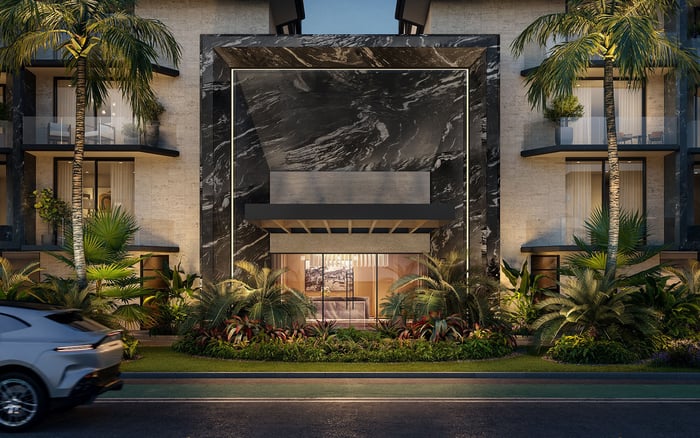
Choosing between Bay Harbor Islands and Sunny Isles Beach requires more than comparing residences. Actual occupancy, homestead eligibility, building-specific insurance and a disciplined first-year budget reveal which address best supports the buyer’s plans.
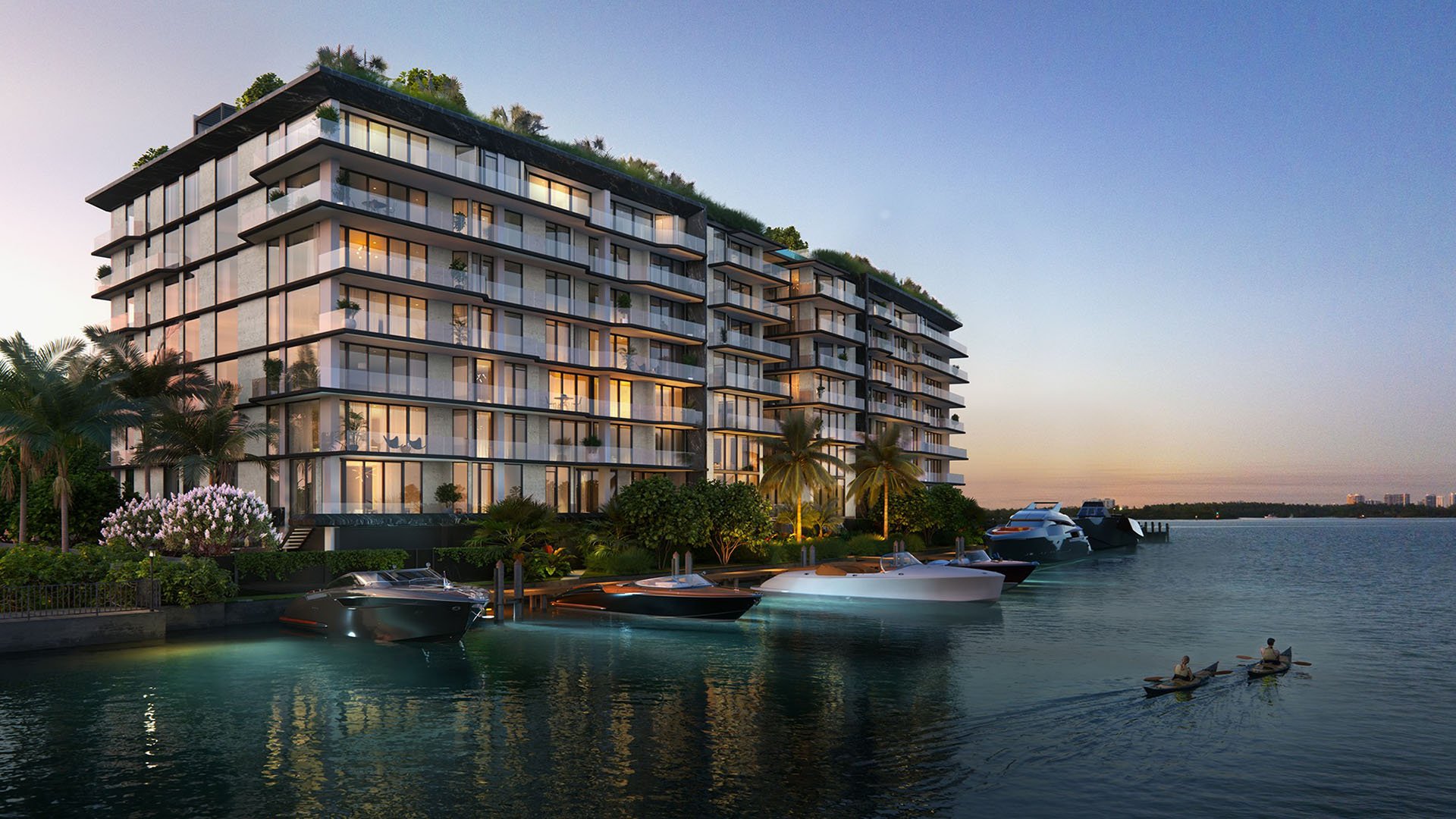
The choice between Bay Harbor Islands and Sunny Isles Beach begins with how a residence will actually be used. A permanent Florida home, a seasonal retreat and a property occupied by a long-term tenant may require different insurance assumptions and tax planning, even when the interiors are equally compelling.
For the luxury buyer, the question is not simply which municipality offers the more appealing residence. It is which building, coverage structure and service package fit the intended ownership pattern. A shortlist that includes Bay Harbor Towers and Bentley Residences Sunny Isles should begin with the same financial discipline: establish occupancy, obtain property-specific documents and build a realistic first-year budget.
The meaningful comparison is between documented ownership obligations, not municipal averages.
For Citizens insurance, a primary residence is the policyholder’s primary home occupied for more than nine months annually. A seasonal residence should not automatically be budgeted for primary-residence insurance merely because its owner intends to spend substantial time in Florida.
A leased dwelling can also meet that insurance definition when it is the tenant’s primary home and the tenant occupies it for more than nine months annually. That classification does not establish the owner’s homestead eligibility. Insurance occupancy and tax residency answer different questions.
For the July 2026 Citizens rate increases, the stated maximum increases of 15% for primary policies and 50% for non-primary policies expressly exclude HO-3, HW-2, HO-6 and HW-6 policies. Condominium buyers, in particular, should not treat the 15% figure as a ceiling on their HO-6 premium increases.
Request written insurance indications based on the actual occupancy pattern, interior replacement values and desired coverage limits. If plans include seasonal stays or tenant occupancy, describe them before relying on a premium estimate. The budget should follow the proposed policy, not a general assumption about primary ownership.
An association’s building insurance and a unit owner’s policy are not interchangeable. Condominium unit-owner coverage can include certain interior features, personal property, additional living expenses and liability. Each policy’s scope deserves attention alongside the residence’s finishes and furnishings.
For a candidate at Alana Bay Harbor Islands, request the association’s master-policy declarations and wind deductibles, then have the owner’s proposed coverage reviewed against them. The same exercise belongs in every building comparison, regardless of municipality.
Flood requirements need equally careful interpretation. Condominium unit-owner policies are exempt from Citizens’ mandatory flood-insurance requirement. That exemption is not flood coverage, nor does it establish that the owner’s interiors or belongings have adequate protection.
The broader phase-in applies to most of Citizens’ eligible personal-residential policies that include wind coverage. Beginning January 1, 2026, it reaches applicable dwellings with replacement costs of $400,000 or more, including those outside designated high-risk flood zones. By January 1, 2027, the schedule reaches the remaining applicable policies, subject to exemptions.
For a condominium buyer, policy type comes first. Review the association’s and owner’s actual flood protection separately from whether a mandate applies, and ask how loss-assessment coverage fits the overall insurance arrangement.
Purchasing in either municipality does not, by itself, establish homestead eligibility. Planning begins with a permanent Florida residence and eligibility for the relevant tax year.
March 1 is the homestead-filing deadline. Buyers should confirm their eligibility, applicable exemption amounts and filing requirements with the Property Appraiser rather than assume the seller’s benefits transfer. Do not build the tax model around a blanket exemption figure without confirming the current rules.
The seller’s capped tax bill is also a poor substitute for a post-purchase projection. An illustrative Miami-Dade estimate uses 17.59 mills, but that is not a verified rate for Bay Harbor Islands, Sunny Isles Beach or an individual parcel. Treat it only as a preliminary modeling assumption, then obtain a parcel-specific estimate that reflects the purchase and any established eligibility.
Homestead goals should shape the acquisition timetable and documentation, not create an assumed discount in the budget.
Sunny Isles’ full-service ownership proposition can include beach service, valet, substantial staffing, restaurants and spas. Evaluate those services as part of the recurring cost, not simply as amenities encountered during a showing.
Indicative association dues for many high-service towers are approximately $1.40-$2.50 or more per square foot monthly, depending on the building and included services. For a 2,000-square-foot residence, that translates to $33,600-$60,000 or more annually in base association charges, before separately billed ownership costs. This is an illustration, not a quote for a particular tower.
When evaluating St. Regis® Residences Sunny Isles, obtain the applicable dues schedule and clarify exactly what is included. Do not apply the illustrative range to the project without its own documentation.
Bay Harbor Islands warrants the same scrutiny. One illustrative ownership budget allocates approximately $1,466 monthly to property taxes and $158 monthly to insurance using a county-average insurance assumption. Neither amount is a building-specific luxury-condominium quote, and neither supports a conclusion that Bay Harbor ownership is inherently less expensive.
Current dues, reserve funding, pending assessments, master-policy terms and structural reports provide a stronger basis for comparison than either municipality’s illustrative figures.
Separate recurring operations from acquisition and setup costs. The recurring schedule should include projected post-purchase taxes, current association charges, owner insurance, any separately required or selected flood coverage, and utilities. Confirm which expenses are already included in association dues to avoid double counting.
The first-year cash plan should also capture closing and application fees, furnishing, and known capital assessments. Keep these costs visible rather than folding them into a monthly average that obscures when payment is due.
Finally, compare three documents for each finalist: a parcel-specific tax projection, the association’s current financial and insurance materials, and written owner-policy indications. Review reserve funding and pending assessments alongside the quoted dues. A lower monthly charge is not a complete ownership proposition if other obligations remain unresolved.
Neither municipality wins this decision in the abstract. The better residence is the one whose documented obligations align with the buyer’s occupancy, permanent-residence plans and appetite for service. That clarity keeps architecture and lifestyle central without leaving operating costs to assumption.
For a considered comparison of residences and ownership priorities, explore MILLION.
If branded residences are on your mind — as a home or as an allocation — we would be glad to share what we are seeing, privately.
Begin a quiet conversationFor Citizens insurance, it is the policyholder’s primary home occupied for more than nine months annually. Seasonal ownership should not automatically be budgeted under that classification.
Yes, when it is the tenant’s primary home and the tenant occupies it for more than nine months annually. That insurance classification does not establish the owner’s homestead eligibility.
No; the stated July 2026 caps of 15% for primary policies and 50% for non-primary policies exclude HO-3, HW-2, HO-6 and HW-6 policies.
Condominium unit-owner policies are exempt from that mandate. The exemption does not establish whether the owner has flood coverage or adequate protection.
January 1, 2026 extends the requirement to applicable dwellings with replacement costs of $400,000 or more. January 1, 2027 is scheduled to reach the remaining applicable policies, subject to exemptions.
No, homestead planning depends on establishing a permanent Florida residence and meeting eligibility requirements for the relevant tax year. Buyers should confirm filing requirements and exemption amounts with the Property Appraiser.
March 1 is the identified filing deadline. Confirm eligibility and requirements for the relevant tax year rather than assuming the seller’s benefits transfer.
Applying the illustrative $1.40–$2.50 or more monthly rate per square foot produces $33,600–$60,000 or more annually. Actual charges depend on the building and included services, with separately billed costs additional.
The seller’s capped bill is not a reliable substitute for a post-purchase tax projection. Obtain a parcel-specific estimate reflecting the purchase and any established eligibility.
Include projected taxes, association charges, insurance, utilities, closing and application fees, furnishing, and known capital assessments. Review reserves, pending assessments and policy terms before comparing total obligations.