A collector-focused due-diligence framework for evaluating light, display walls, secure art movement, and climate control at 2000 Ocean in Hallandale Beach.
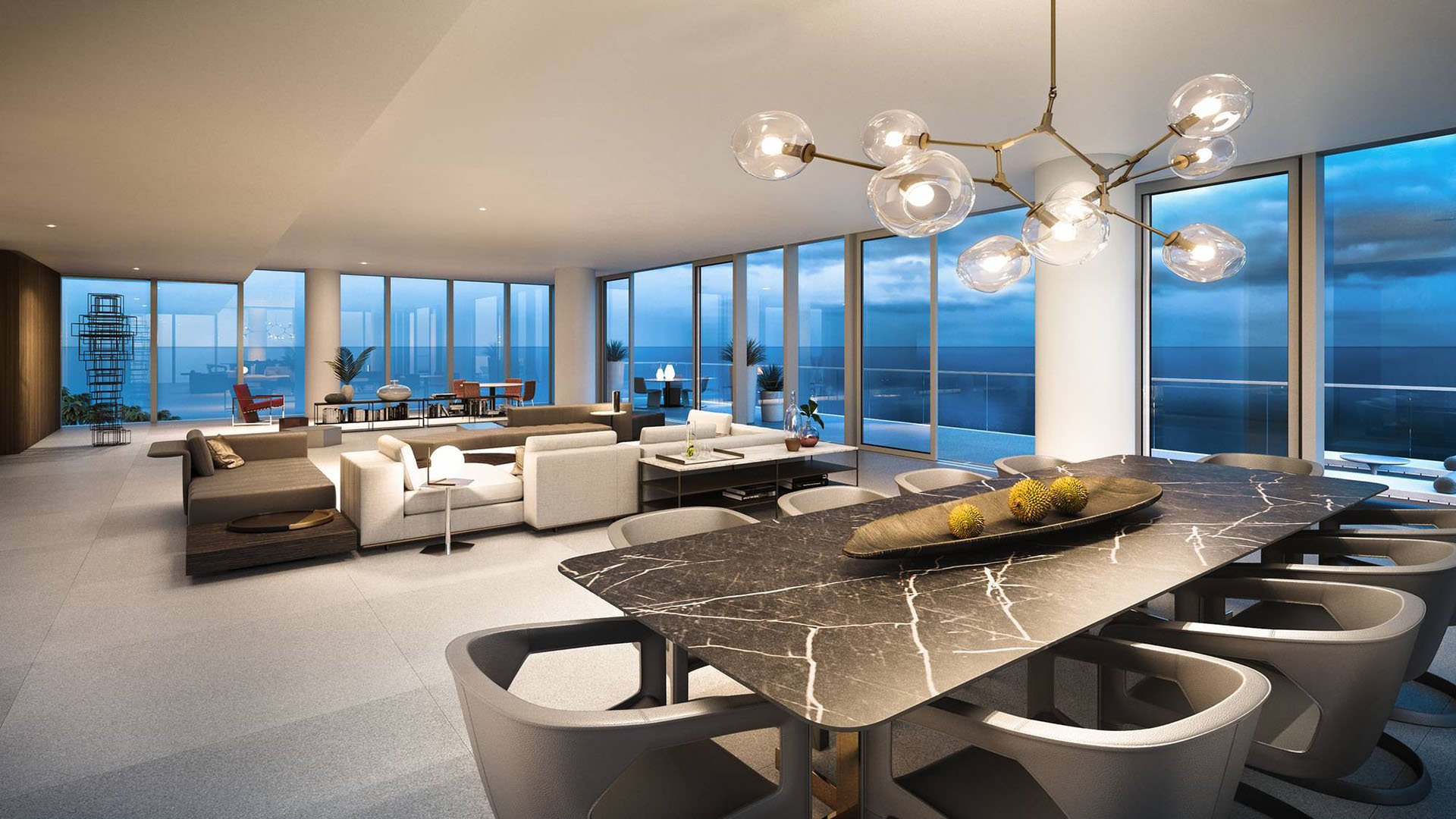
An art-focused evaluation of 2000 Ocean Hallandale Beach should treat each prospective residence as both a home and a display environment. The review should concentrate on four connected issues: changing light, practical wall capacity, controlled movement of artwork, and stable interior conditions.
These questions cannot be resolved from general marketing materials or a building overview. Buyers should request residence-specific plans, technical documentation, written management procedures, and access for qualified advisers before making decisions about placement or preservation.
Begin with a daylight study for the exact residence under consideration. Record where direct and reflected light may reach intended display positions, then assess how exposure could change by time of day and season. Review each room rather than relying on a single walkthrough.
Request the glazing specifications and ask a conservator or lighting specialist whether additional measures may be appropriate for the collection. Shading, framing, artificial lighting, and furniture placement should be considered together. Do not assume that a terrace, window treatment, or visual orientation provides conservation-grade protection without technical confirmation.
The same method can be used when comparing another glass-forward South Florida residence, including Jade Signature Sunny Isles Beach. The relevant evidence is the documentation and measured performance of the specific home.
Total interior area does not reveal how much space is suitable for art. Create a wall schedule that records the width, height, construction, and nearby light conditions of every potential display surface. Account for glazing, doors, millwork, controls, grilles, and circulation clearances.
Confirm permissible anchoring methods and any structural limitations before planning large or heavy installations. If freestanding partitions are being considered, review their stability, effect on movement, and relationship to mechanical systems. A measured elevation of each proposed display wall can make comparisons more precise.
When reviewing alternatives such as Faena House Miami Beach or One Thousand Museum Downtown Miami, apply the same wall-by-wall analysis. Project reputation should not replace residence-level measurements.
Ask management to document the complete approved route from arrival to final placement. Verify elevator dimensions, door and corridor clearances, turning points, weight limits, scheduling rules, protective requirements, and any credentials required from art handlers.
The review should also cover surveillance, access records, temporary staging, staff coordination, and procedures for oversized pieces. Rehearse the route on paper using the dimensions of the largest work likely to enter or leave the residence.
Emergency planning deserves a separate written protocol. Coordinate building procedures, conservation advice, art-handler availability, and insurance requirements rather than relying on informal assumptions.
Request mechanical drawings and written explanations of temperature control, humidity management, monitoring, alerts, and equipment coverage during an outage. Determine whether conditions can be tracked while the residence is unoccupied and who receives notifications when readings move outside the collection’s chosen parameters.
A conservation professional should establish appropriate targets for the particular works involved. The owner can then compare those targets with documented system capabilities and arrange independent monitoring where appropriate. Any claim about specialized climate performance or backup power should be verified in writing.
A collector’s file should bring together the daylight study, glazing information, measured wall schedule, hanging review, delivery-route survey, mechanical documentation, management procedures, emergency plan, and insurance guidance. Unresolved items should remain clearly labeled as open questions.
This process allows design preferences and preservation requirements to be considered together. It also helps distinguish features that are documented for a particular residence from assumptions based on photographs, summaries, or comparisons with other South Florida properties.
Why is a residence-specific daylight study important? Light conditions can differ by room and intended display position, so the selected residence should be assessed directly.
What glazing information should a collector request? Request the applicable technical specifications and have a qualified adviser evaluate them against the collection’s needs.
How should usable wall space be calculated? Measure finished, uninterrupted surfaces after accounting for openings, built-ins, controls, grilles, and circulation.
What should be confirmed before hanging a heavy work? Verify wall construction, anchoring permissions, structural limitations, installation access, and the proposed mounting method.
What belongs in an art-delivery route review? Document arrival procedures, elevator capacity, clearances, turns, scheduling, protective measures, and handler requirements.
Should delivery procedures be obtained in writing? Yes. Written procedures reduce uncertainty and give art handlers a clearer basis for planning.
How should climate-control capability be evaluated? Compare documented mechanical performance and monitoring options with targets established for the specific collection.
What backup-power questions should a buyer ask? Ask which relevant systems receive backup power, how coverage is activated, and what procedures apply during an outage.
What should an emergency art plan address? It should address communications, temporary protection, authorized handlers, building procedures, insurance requirements, and possible removal logistics.
Which records should be assembled before a decision? Collect residence plans, technical specifications, measurements, management procedures, professional assessments, and written answers to unresolved questions.
For a tailored shortlist and next-step guidance, connect with MILLION.
If branded residences are on your mind — as a home or as an allocation — we would be glad to share what we are seeing, privately.
Begin a quiet conversation