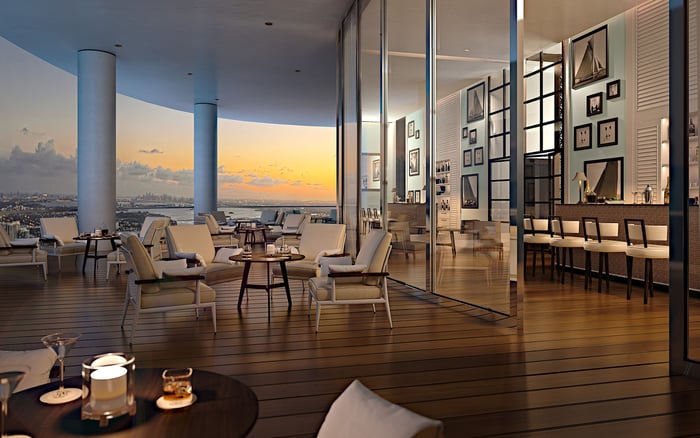
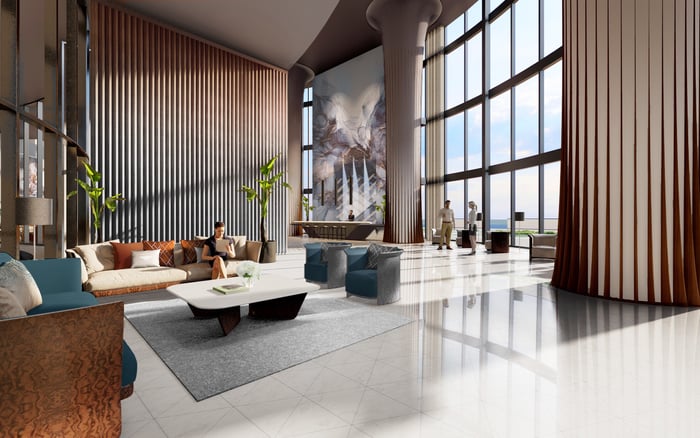
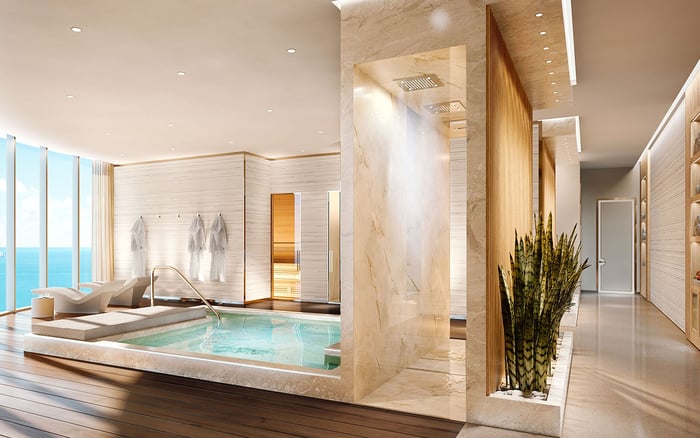
Wellness-led amenity design is best assessed as a daily living system, not a checklist. Buyers should study circulation, privacy, environmental comfort, operational discipline, and the relationship between shared spaces and the residence itself.
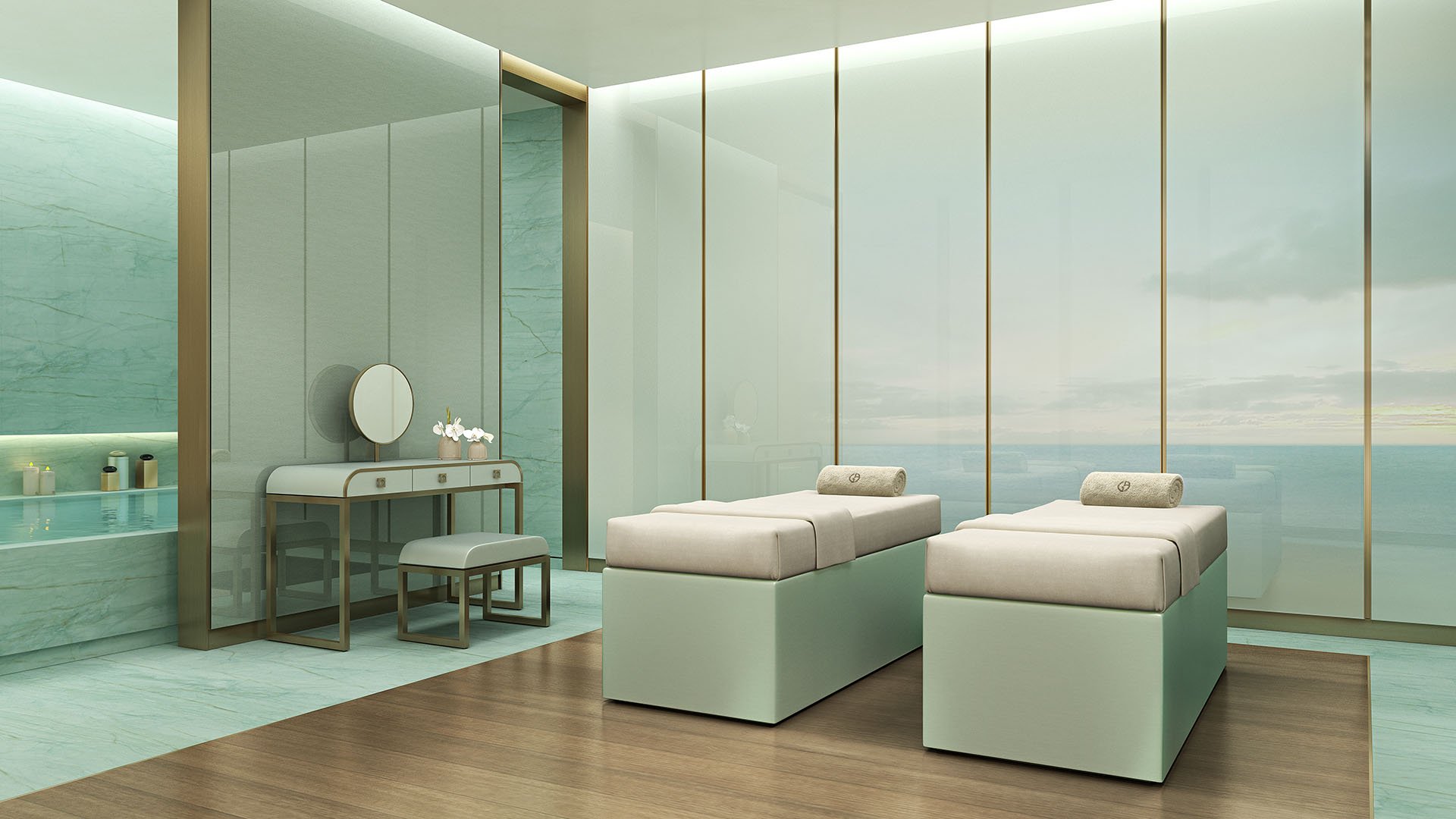
In Sunny Isles Beach, the language of luxury has moved beyond finishes and views. Buyers increasingly consider whether a building supports energy, restoration, privacy, movement, and social ease throughout an ordinary week. Wellness-led amenity design is therefore less about the presence of a spa or gym than about how the property functions as a whole.
That distinction matters when comparing Armani Casa Sunny Isles Beach, Jade Ocean Sunny Isles Beach, and St. Regis® Residences Sunny Isles. Each has a distinct design identity, yet buyers should apply the same disciplined questions: Is the experience intuitive? Can residents use shared spaces without friction? Do privacy, acoustics, light, and circulation reinforce a sense of calm?
A compelling wellness environment should feel coherent from arrival to residence. When architecture, service, landscape, and operations work in concert, amenities can become part of daily life rather than an occasional indulgence.
The most revealing tour is not a checklist but a sequence. Begin at the arrival point, continue through the lobby and elevators, enter the principal amenity areas, and finish inside the residence. Observe the transitions among public, social, active, and quiet zones.
A successful plan minimizes unnecessary crossings and creates intuitive separation. Residents returning from the beach should not be routed through formal gathering spaces. A workout area should be convenient without introducing noise into restorative settings. Treatment, relaxation, and changing spaces should provide discretion rather than exposure.
Buyers should also consider timing. A serene space at midday may feel different during morning exercise, weekend gatherings, or seasonal occupancy. Ask how access, reservations, guests, and staffing are intended to function. Operational clarity is part of wellness because it reduces uncertainty and crowding.
A pool is not automatically a wellness amenity. Its value depends on orientation, circulation, shade, seating, noise management, and the compatibility of different uses. Exercise, family time, quiet reading, and social activity can compete when a deck is not thoughtfully organized.
Study how easily residents can move between indoor and outdoor areas. Consider whether comfortable places to pause are positioned away from the primary activity. In South Florida, shade and weather protection can be as consequential as visual drama. The strongest spaces remain appealing across different hours, temperatures, and occupancy levels.
Oceanfront living adds another dimension. Salt air, wind, glare, and humidity are intrinsic to the setting, so wellness should be evaluated through environmental comfort as well as aesthetics. Ask how outdoor furniture, landscaping, surfaces, and equipment are maintained-and whether the design anticipates regular coastal exposure.
Shared amenities cannot compensate for a home that is difficult to inhabit. Inside a prospective residence, evaluate daylight, glare, acoustics, privacy, storage, ventilation, and the relationship between interior rooms and outdoor space. These qualities shape daily well-being more consistently than any single amenity visit.
Furniture planning deserves particular attention. A visually impressive room may not adequately support circulation, dining, work, or quiet retreat once fully furnished. Buyers should test likely layouts and consider whether household members can maintain different routines without constant overlap.
Terraces should be assessed as lived spaces rather than view platforms. Exposure, depth, access, and the transition from interior flooring to exterior surfaces all influence use. The objective is not simply to possess outdoor space, but to determine whether it can serve as a dependable extension of the home.
Brand and architectural identity can provide a valuable framework, but buyers should distinguish visual character from functional performance. A refined material palette may establish calm, while a hospitality-oriented atmosphere may emphasize service and ritual. Neither approach is inherently superior. The relevant question is which one aligns with the buyer’s habits.
At Armani Casa Sunny Isles Beach, Jade Ocean Sunny Isles Beach, and St. Regis® Residences Sunny Isles, comparison should therefore begin with personal routines. An owner who exercises privately, entertains frequently, and spends extended seasons in residence may value a different mix than a buyer seeking brief, restorative stays.
Request current, property-specific information rather than relying on broad impressions. Amenity access, programming, guest policies, operating hours, service arrangements, and future changes can materially influence the experience. Documents and direct observation should confirm what is available and how it functions.
Wellness-led design is unusually dependent on execution. Temperature, lighting, cleanliness, equipment condition, staffing, and reservation protocols determine whether beautiful rooms remain useful. Buyers should examine who manages the experience and how consistently its standards can be sustained.
The financial dimension matters as well. Sophisticated amenity environments require maintenance, staffing, utilities, and periodic renewal. Review the association’s governing materials, budgets, reserves, insurance information, and relevant disclosures with qualified advisers. The goal is to understand both the current level of service and the obligations required to preserve it.
This is where restraint can prove valuable. More space and equipment do not necessarily create a better experience. A smaller collection of well-positioned, well-operated amenities may serve residents more effectively than an expansive program with complicated access or uneven upkeep.
Before deciding, return to three questions. First, would you use the principal amenities during a normal week? Second, can you move between the residence and wellness spaces comfortably and privately? Third, does the operating model appear capable of protecting the experience over time?
Buyers should also tour with their personal priorities in mind. Someone sensitive to sound should linger near active zones and elevator corridors. A frequent host should understand guest movement and access. A seasonal resident should consider storage, lock-and-leave convenience, and how quickly the home feels settled after arrival.
The best wellness-led design rarely announces itself at every turn. It removes friction, supports choice, and makes restoration feel natural. In Sunny Isles Beach, that quiet competence may be the most meaningful amenity of all.
What does wellness-led amenity design mean for a condo buyer? It describes how architecture, shared spaces, service, and operations work together to support comfort, movement, privacy, and restoration.
Is a large amenity program always better? No. Usability, access, maintenance, and compatibility among activities matter more than the number of spaces.
How should buyers compare the three Sunny Isles properties? Apply the same criteria to each property, then weigh the results against personal routines, ownership plans, and service preferences.
Why does circulation matter to wellness? Intuitive routes reduce friction and can separate active, social, service, and quiet experiences more effectively.
What should buyers observe around outdoor amenities? Consider shade, wind, glare, seating, privacy, surface conditions, and transitions between indoor and outdoor areas.
How important are amenity operating rules? They can shape availability, guest access, crowding, and convenience, so buyers should review current, property-specific policies.
Can the residence itself undermine the amenity experience? Yes. Poor acoustics, glare, limited storage, or awkward layouts can affect well-being more often than shared amenities improve it.
What financial materials deserve attention? Buyers should review budgets, reserves, insurance information, governing documents, and relevant disclosures with qualified advisers.
Should a buyer tour at more than one time of day? When possible, multiple visits can reveal shifts in light, activity, sound, traffic flow, and the atmosphere of shared spaces.
What is the clearest sign of successful wellness design? The building makes healthy, restorative routines feel effortless while preserving resident choice, dignity, and privacy.
If you'd like a private walkthrough and a curated shortlist, connect with MILLION.
If branded residences are on your mind — as a home or as an allocation — we would be glad to share what we are seeing, privately.
Begin a quiet conversation