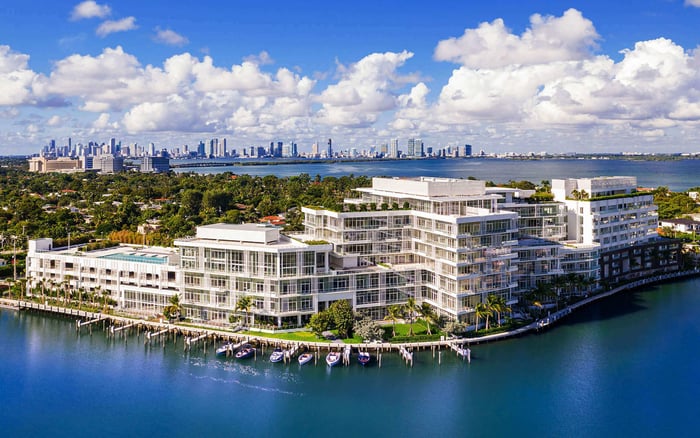
A buyer-oriented audit for seasonal ownership at The Ritz-Carlton Residences® Sunny Isles, covering lawful unit access, inspection arrangements, pest-control credentials, and the documentation that turns service expectations into accountable care.

The most reassuring second residence is prepared not only for arrival, but also for absence. For buyers considering The Ritz-Carlton Residences® Sunny Isles, that distinction deserves a place beside the floor plan and finishes: who may enter, what they will inspect, and how completed work will be documented.
An ownership-readiness audit should translate service expectations into written responsibilities. Do not infer a vacant-unit inspection schedule, pest-control calendar, or entry procedure from the name on the building. Ask management to confirm each arrangement for the particular residence, including scope, cost, authorization requirements, and escalation procedures.
The objective is discreet oversight without ambiguity. Before closing, establish who is responsible when the owner is elsewhere-and what evidence will show that a concern has been resolved.
Florida condominium associations may access units during reasonable hours when necessary to maintain, repair, or replace common elements or association-maintained portions of a unit, or to prevent damage to units or common elements. The declaration determines which portions of the residence the association maintains. It is essential reading, not administrative background.
That access right is not an unlimited mandate for routine private services. Ask management to distinguish association maintenance entry, emergency procedures, and owner-authorized inspections or vendor appointments. Obtain written procedures covering keys and fobs, vendor check-in, escorts, insurance certificates, and the owner's local contact.
A seasonally unoccupied residence is not necessarily abandoned. Separate statutory provisions allow entry, at the board's discretion, into units meeting abandonment conditions for purposes including inspection, repairs, addressing mold or deterioration, restoring utilities, and protecting the unit and adjoining common elements. Those provisions do not grant blanket permission to enter every empty apartment.
For a rented residence, evaluate landlord access separately. Florida's landlord-access rules address inspections, necessary or agreed repairs, improvements, and agreed services, with notice, timing, and purpose restrictions in specified circumstances. Have counsel distinguish those rules from condominium-association access rights.
A useful inspection arrangement begins with a written scope, not a vague promise to check the apartment. Ask who conducts visits, what frequency can be agreed upon, what additional visits may be requested, and how findings reach the owner. Treat the following as a recommended scope, not a confirmed building requirement:
Look for leaks, standing water, and visible moisture concerns.
Check HVAC operation and record humidity observations or readings.
Note visible signs of mold, deterioration, or pest activity.
Include agreed alarm checks and confirmation that the residence was secured.
Define the limits of each visit. A visual inspection is not a specialist assessment or an assurance that concealed conditions do not exist. Establish which findings trigger a call, specialist attendance, or a request for repair authorization.
A buyer also considering Jade Signature Sunny Isles Beach should ask the same questions and obtain that property's own written answers. Compare confirmed inspection scopes rather than assume neighboring residences provide interchangeable services.
Branding should not substitute for a responsibility schedule. Ask which tasks belong to the association, residential operator, property manager, or independent vendors. Distinguish coordination from performance: the person arranging access may not be the person inspecting the residence or authorizing repairs.
For each recurring task, record the responsible party, access authority, communication contact, and payment arrangement. Identify who handles follow-up when a vendor finds an issue outside the original assignment. Confirm how the owner appoints a local representative and how changes to those instructions are recorded.
The same discipline applies when evaluating Turnberry Ocean Club Sunny Isles: request a property-specific allocation of responsibilities rather than transferring expectations from another address. Base the comparison on documented arrangements, not presumed equivalence.
Pest-control coordination deserves its own review. Entry permission, treatment coverage, and professional credentials are distinct questions. Florida regulates pest-control work, including identification-card or authorization requirements for persons performing covered inspections and treatments. Before authorizing treatment, verify the company's license and the assigned technician's applicable credentials.
Ask management to confirm treatment frequency, building-wide versus unit-specific coverage, charges, notice arrangements, and any owner-presence requirements. Determine whether an unoccupied residence needs a separate appointment or authorization and how missed access is handled. Do not assume common-area service includes the apartment interior.
Request treatment documentation and re-entry instructions for each applicable visit. Keep those instructions accessible to the owner, local representative, and anyone coordinating the next appointment. Schedule around the actual treatment guidance, not a generic assumption about when the residence can be occupied again.
Unit owners or their authorized representatives generally have the right to inspect association official records, subject to statutory limitations. A prospective buyer should arrange pre-closing requests through the seller or another appropriate authorization, rather than assume an independent right to every record.
Request governing documents, budgets, financial statements, insurance information, and relevant service contracts through the applicable association-records process. Review them for the division of maintenance duties, service scope, and charges. Separately, request available unit-specific inspection and service history through the appropriate party. Not every private vendor record will be an association record.
For future visits, establish an entry log recording date, time, purpose, personnel, findings, photographs where appropriate, corrective work, completion status, and confirmation that the unit was secured. A completed visit is not the same as a resolved issue. Keep unresolved items visible until follow-up is documented.
A Vacant Lot/Building/Condo Units Registration Form is available in Sunny Isles Beach. Its existence calls for an applicability check, not an assumption that every temporarily unoccupied condominium requires registration. Confirm with the city or closing counsel whether registration applies to the residence's circumstances.
If registration applies, verify the current submission requirements and fee before filing. Keep any required registration documentation with the owner's access instructions and local contact details.
The final readiness test is practical: can the owner identify who may enter, who will inspect, who can approve corrective work, and where the completion record will be kept? With those answers written and understood, absence becomes an organized aspect of ownership rather than an unresolved service expectation.
For a considered approach to South Florida residential ownership, explore MILLION.
If branded residences are on your mind — as a home or as an allocation — we would be glad to share what we are seeing, privately.
Begin a quiet conversationNo. Ask management to confirm the schedule, scope, cost, and authorization requirements in writing for the particular residence.
An association may access units during reasonable hours for necessary work on common elements or association-maintained portions of a unit, or to prevent damage to units or common elements.
Not necessarily. Statutory abandoned-unit entry powers depend on abandonment conditions and should not be treated as blanket permission to enter seasonally empty residences.
The condominium declaration determines which portions of a unit the association maintains. Review it alongside written access and service procedures.
Consider leaks, standing water, HVAC operation, humidity, visible mold or pests, agreed alarm checks, and confirmation that the residence was secured. This is a recommended scope, not a confirmed building requirement.
Verify the company's license and the assigned technician's applicable credentials before authorizing treatment. Florida regulates covered pest-control inspections and treatments.
Confirm frequency, building-wide versus unit-specific coverage, charges, notice, and owner-presence requirements. Also request treatment documentation and applicable re-entry instructions.
The cited records right generally belongs to owners or their authorized representatives, subject to statutory limitations. Arrange pre-closing requests through the seller or another appropriate authorization.
Record the date, time, purpose, personnel, findings, appropriate photographs, corrective work, completion status, and confirmation that the unit was secured.
Do not assume that temporary vacancy requires registration. Confirm applicability with the city or closing counsel for the residence's circumstances.