ORA by Casa Tua’s advertised dining and hospitality program invites a closer ownership review. Before assigning value to restaurant access, doorstep delivery or private entertaining, buyers should establish the rights, operating rules and full costs in writing.
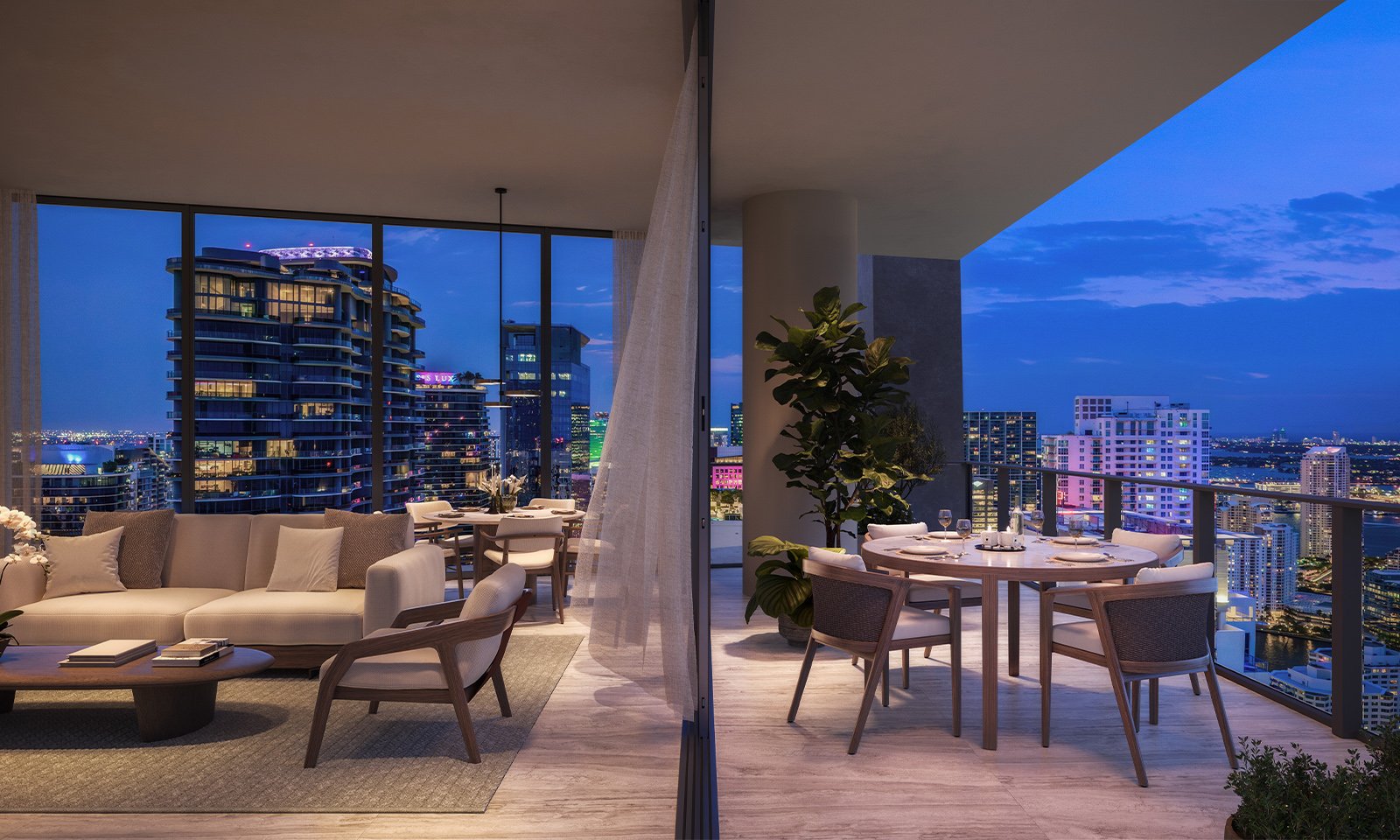
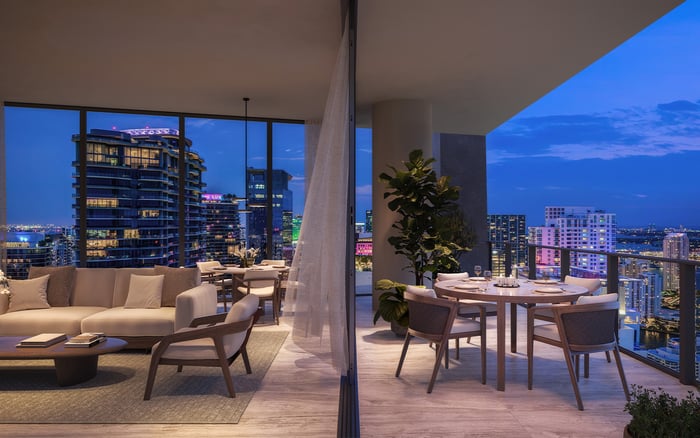
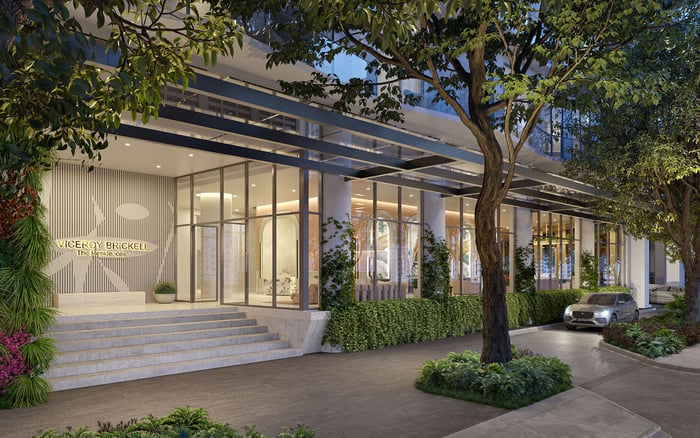
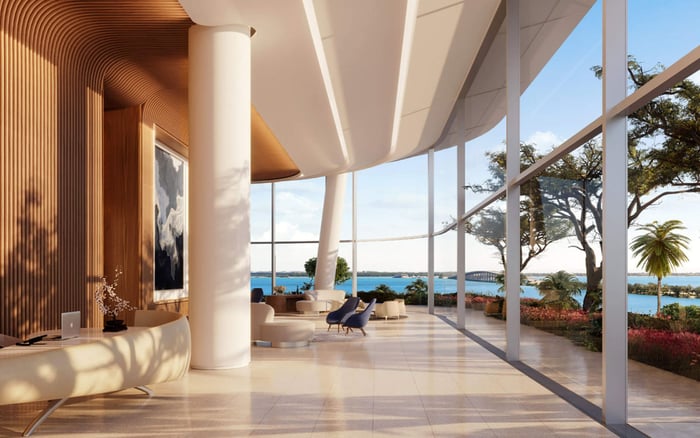
At ORA by Casa Tua Brickell, marketed at 1210 Brickell Avenue, Miami, FL 33131, dining is central to the residential proposition. Four Casa Tua concepts, advertised in-residence dining and rooftop hospitality suggest a home where entertaining can extend beyond the apartment without becoming a separate logistical exercise.
For a buyer, the decisive question is not simply what is planned downstairs or overhead. It is what ownership secures: access, reservation priority, defined service hours, preferential pricing or something narrower. A marketed amenity is not automatically an economic privilege.
An ownership-readiness audit should separate three matters: the advertised experience, the written right to use it and the cost of each use. Confirm restaurant operations and final opening dates before making these services essential assumptions in a purchase decision.
TERRA is advertised as a 24-hour gourmet market, bakery and gathering place, encompassing coffee, lunch, grocery pickups and late-night food. That proposed convenience is particularly relevant to residents whose schedules fall outside conventional restaurant hours. The advertised 24-hour format does not, by itself, establish round-the-clock apartment delivery.
UVA is marketed as a Mediterranean wine lounge with more than 500 sommelier-selected labels, wine classes, tastings and an outdoor dining terrace. FUOCO is presented as an Italian wood-fire dining concept. VENTO is marketed as a rooftop dining and entertainment venue with pool-related amenities and private-event space.
Together, these concepts describe potential uses ranging from an informal meal to a hosted evening. They do not establish that tastings, wine purchases, reservations or private gatherings are included with ownership. Request a venue-by-venue explanation rather than accepting an umbrella description of Casa Tua access.
The ownership proposition includes access to Casa Tua hospitality and uses the phrase “flexible ownership.” Neither establishes guaranteed seating, owner discounts or complimentary dining. Advertised concierge, valet, on-site management and digital concierge services likewise do not establish that restaurant or event charges are waived.
Request written answers on reservation windows, any priority over nonresidents, guest limits, blackout periods and whether separate membership is required. Clarify whether each benefit belongs to the residence, the named owner or an individual account. Ask who can amend the terms and what notice owners would receive.
If Cipriani Residences Brickell is also on a buyer’s shortlist, apply the same questions independently. The useful comparison is between documented rights and costs, not brand names. Do not assume that one residence’s arrangements describe another’s.
Direct delivery to residents’ doors is explicitly advertised, alongside in-residence dining and catering from on-site restaurants. That is a meaningful service proposition, but the dining descriptions do not establish minimum orders, delivery charges, gratuity policies or cancellation terms.
Request a resident dining rate sheet identifying eligible venues, menus and delivery hours. It should distinguish delivery fees from service charges and gratuities, explain billing and specify how to correct an incomplete order or dispute a charge. Clarify whether catering follows different booking and cancellation rules from an ordinary meal.
Keep outside deliveries on a separate checklist. Rules for third-party restaurant couriers, grocery deliveries, lobby handoffs and elevator access are not established. Advertised on-site doorstep service should not be interpreted as permission for every outside courier to reach the residence.
As a practical test, ask how a late-night meal, a grocery arrival while the owner is away and a catered dinner would be handled. These scenarios can expose operational questions that a general assurance of concierge support leaves unanswered.
The advertised rooftop pool setting includes sun shelves, cabanas, lounge chairs and food-and-beverage service. Poolside towel service is also marketed. Ask whether cabanas require reservations, whether food service hours differ from pool hours and whether any spending requirement applies. None of these terms should be presumed from the amenity description.
Private entertaining deserves a more detailed review. VENTO and the broader hospitality program advertise private-event space, but the descriptions do not establish complimentary owner use, preferential rates or a surcharge schedule. An unconfirmed charge is neither a known obligation nor a waived expense.
For a representative gathering, request an itemized written proposal covering:
Venue rental, food-and-beverage minimums and applicable taxes.
Service charges, gratuity treatment and staffing costs.
Deposits, security, cleaning and overtime provisions.
Corkage, outside-catering restrictions and cancellation terms.
These are questions to resolve, not a statement that every listed charge applies at ORA. The proposal should explain which amounts are refundable, how the minimum is calculated and whether a service charge includes gratuity. Ask about guest access, setup time, event end times and the effect of private bookings on ordinary resident use.
For an owner who entertains regularly, predictable availability and a complete price can matter more than an attractive headline rental rate.
Test hospitality access against the intended ownership pattern. A full-time owner, an occasional resident and a tenant may need different services, but the advertised offering does not establish whether their privileges are identical.
Confirm whether benefits extend to tenants, household members and guests, whether an owner must be present and whether separate registration or hospitality fees apply. For resale, establish whether privileges transfer automatically, require approval or depend on a new agreement. Do not translate “flexible ownership” into a specific rental entitlement without reviewing the governing terms.
If St. Regis® Residences Brickell enters the comparison, repeat this eligibility review against that property’s own documents. A consistent checklist is more useful than assuming a common model across residences.
Request the condominium declaration, bylaws, rules, association budget, relevant hospitality or operator agreements, resident dining rate sheet and event policies. Have counsel reconcile material promises with the applicable documents, particularly where a service influences the purchase decision.
The budget review should distinguish shared hospitality costs from individual restaurant and event spending. Ask which services are funded through association charges, which are billed separately and who controls future pricing. Advertised amenities alone do not answer those questions.
A disciplined conclusion can remain enthusiastic: ORA’s planned dining program may suit an owner who values convenience and sociable spaces. Assign financial value only to benefits whose eligibility, availability and pricing have been established in writing.
For a discreet perspective on hospitality-led ownership in South Florida, connect with MILLION.
If branded residences are on your mind — as a home or as an allocation — we would be glad to share what we are seeing, privately.
Begin a quiet conversationThe marketed project address is 1210 Brickell Avenue, Miami, FL 33131, in Brickell.
The four advertised Casa Tua concepts are TERRA, UVA, FUOCO and VENTO. Their descriptions span a gourmet market, wine lounge, Italian wood-fire dining and rooftop dining and entertainment.
The advertised access to Casa Tua hospitality does not establish guaranteed seating, discounts or complimentary dining. Buyers should request written privilege and reservation terms.
Yes, direct doorstep delivery is advertised, as are in-residence dining and catering from on-site restaurants. Eligible menus, hours and charges should be confirmed separately.
No such delivery entitlement is established. TERRA is advertised as a 24-hour market and gathering place, but apartment-delivery hours require separate confirmation.
The dining descriptions do not establish delivery fees, minimum orders, gratuity policies or cancellation terms. These amounts should not be treated as either payable or waived without written terms.
Outside-courier access, lobby handoffs, grocery delivery procedures and elevator rules are not established. Buyers should obtain the building’s proposed delivery policies.
Private-event spaces are advertised, but complimentary owner use and preferential pricing are not established. Request an itemized proposal and the applicable event policies.
The advertised offering does not establish transferability or tenant and guest eligibility. Confirm those rights, along with any membership or registration requirements, in writing.
Request the declaration, bylaws, rules, association budget, relevant hospitality or operator agreements, resident dining rate sheet and event policies. Counsel should review material promises against the applicable documents.