A buyer-focused insurance audit for Glass House Boca Raton, connecting building replacement value, code-upgrade coverage, owner-level finishes, deductibles, and reserve obligations before closing.
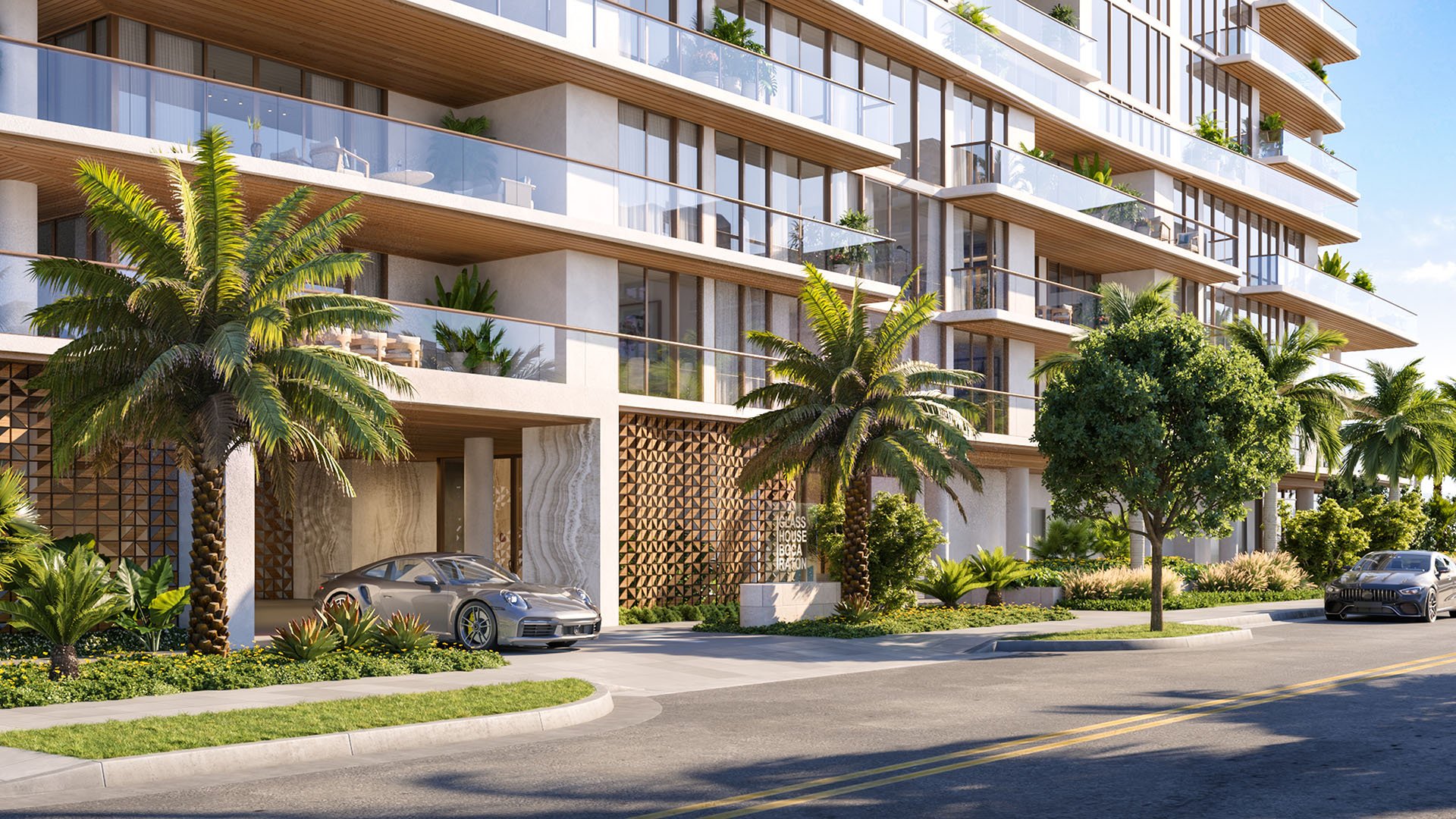
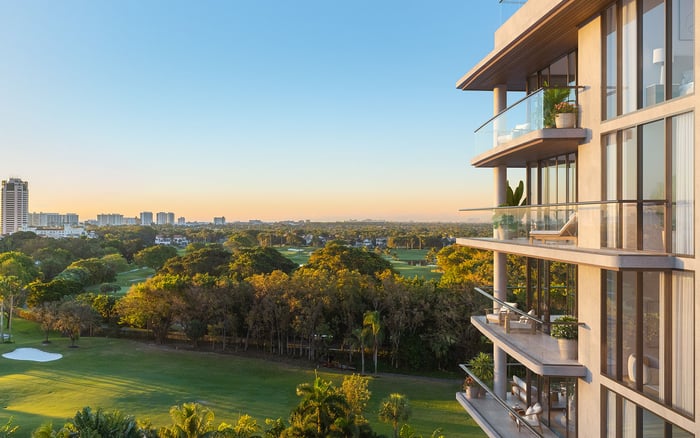
At Glass House Boca Raton, the appeal is architectural and intimate: 28 residences in downtown Boca Raton, an all-glass façade on East Palmetto Park Road, and rooftop amenities overlooking the ocean and Intracoastal. The ownership decision also warrants a second lens: what would be rebuilt, who would insure it, and which costs could remain with the buyer.
Residences are marketed from approximately $2.5 million. That figure is an entry sales price-not the cost of reconstructing the building or restoring a particular interior. Treating those values as interchangeable obscures the central insurance question: whether coverage matches the property and responsibilities it is intended to protect.
An ownership-readiness audit should connect three distinct layers: the association's replacement-cost valuation, its ordinance-and-law protection, and the owner's coverage for excluded property and improvements. None should be inferred from the caliber of the address.
Begin with the latest replacement-cost appraisal and the valuation worksheet used to establish the association's insured values. Ask the association and its insurance adviser to reconcile those documents with the policy schedule, including the valuation date and the assumptions supporting the current limit.
Specialty glazing, framing, waterproofing, elevators, mechanical systems, and rooftop amenities warrant explicit attention. Request confirmation of how each is represented rather than accepting a single building total without supporting detail. Examine how the valuation and policy treat demolition, debris removal, professional fees, and construction escalation as well.
The objective is not to prescribe an unsupported dollar amount. It is to establish whether the insured value reflects the property being protected-and whether particular expenses fall within that value, under separate limits, or outside coverage.
Florida law requires unit-owner-controlled residential condominium associations to use their best efforts to obtain and maintain adequate property insurance for property they are legally required to insure. That obligation does not, by itself, establish the adequacy of a particular policy. Glass House's actual limits, deductibles, and replacement-cost appraisal require confirmation through the transaction documents.
A replacement-cost valuation and ordinance-and-law coverage answer different questions. The former addresses rebuilding value; the latter requires a separate review of costs associated with applicable rebuilding requirements. Buyers should not assume ordinary replacement-cost coverage resolves code-upgrade exposure.
Ask the association's broker to identify the wording and limits addressing three subjects: undamaged portions of the building, demolition, and increased construction costs. For each, request an explanation of the applicable conditions, exclusions, and interaction with the underlying property coverage.
The practical deliverable is a written explanation tied to the actual endorsements. It should distinguish separate limits from shared limits and identify potential expenses outside the contract. A label on a coverage summary is no substitute for that review.
For buyers also considering Alina Residences Boca Raton, the same discipline offers a useful comparison framework. Compare documented coverage boundaries and valuation assumptions-not an assumed insurance advantage attached to either property.
Florida's statutory master-policy baseline covers condominium property as originally installed, or replacement of like kind and quality consistent with the original plans and specifications, subject to statutory exclusions. Original installation does not mean every original interior item falls within the association's required coverage.
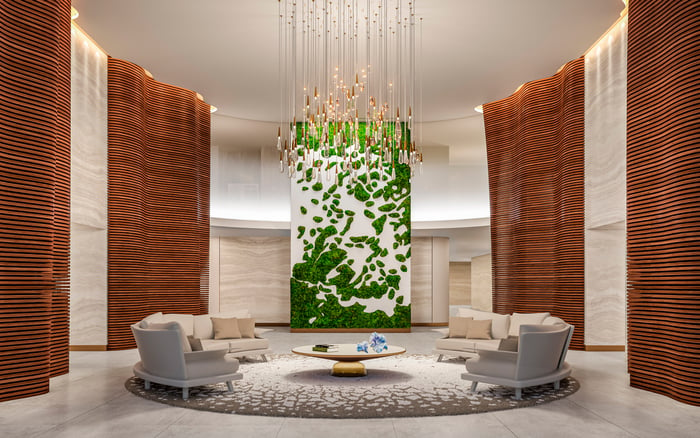
Unit-owner personal property is excluded. The statutory exclusions also include floor, wall, and ceiling coverings; electrical fixtures; appliances; water heaters; and water filters within the applicable unit-owner categories. Built-in cabinets, countertops, and window treatments serving only one unit are also excluded. These categories are especially consequential in a residence with premium stone, custom cabinetry, or highly specified finishes.
The owner's HO-6 building-property or improvements-and-betterments limit should therefore be developed from the actual residence. Assemble finish schedules, plans, invoices, and replacement estimates. Ask the insurer to explain how those items fit within the proposed policy rather than relying on a default interiors allowance.
Developer upgrades and subsequent renovations warrant particular attention. The statutory framework also addresses alterations and additions, so obtain confirmation of how approved improvements are treated under the governing documents and association policy. Keep personal-property valuation distinct from the schedule for fixtures and finishes.
Before binding owner coverage, request a responsibility schedule for windows, doors, balconies, terraces, HVAC, original fixtures, developer upgrades, owner renovations, and limited common elements. Have counsel and the insurance advisers reconcile that schedule with the governing documents and policy wording.
An architectural element's location alone should not determine the buyer's insurance assumption. Ask who must insure it, which policy responds to the relevant loss, and whether any associated deductible or assessment could reach the owner.
A buyer weighing The Residences at Mandarin Oriental Boca Raton alongside Glass House can apply the same questions without presuming identical answers. Each property's documents and contracts require their own review.
Request the master policy's wind, named-storm, water, flood, and equipment-breakdown provisions. Review applicable deductibles and ask how an association deductible could translate into an owner assessment. Then examine HO-6 loss-assessment coverage and any deductible-assessment protection, including their limits and conditions. Neither should be treated as an automatic solution for every association charge.
Reserve planning is a separate financial inquiry. Florida's structural-integrity reserve study framework generally requires qualifying residential condominium buildings of three habitable stories or more to complete a SIRS at least every 10 years. Relevant categories include roofs, structural systems, fireproofing and fire-protection systems, plumbing, electrical systems, waterproofing, exterior painting, windows, and exterior doors.
Request applicable studies, reserve schedules, engineering documentation, board minutes, and current or proposed assessments. Qualifying buildings generally face milestone inspections at 30 years and every 10 years thereafter, with an earlier first inspection possible under specified conditions. Confirm completion dates and applicability; do not assume Glass House already owes an age-based inspection.
Before closing, assemble the full policy wording and endorsements, valuation materials, loss runs, renewal terms, governing documents, and applicable engineering and reserve documentation. Obtain a residence-specific HO-6 quote based on the selected finishes and confirmed responsibility boundaries. A generic premium estimate should not establish carrying costs.
The final test is straightforward: can the buyer identify the insured building value, explain code-upgrade protection, price the owner's interior exposure, and understand potential deductible and reserve obligations? Resolve any outstanding point with the appropriate adviser before commitment. This is a review framework, not a finding that Glass House's coverage is deficient or sufficient.
For a discreet perspective on luxury condominium ownership in South Florida, connect with MILLION.
If branded residences are on your mind — as a home or as an allocation — we would be glad to share what we are seeing, privately.
Begin a quiet conversationGlass House Boca Raton is marketed as a luxury condominium with 28 residences in downtown Boca Raton.
No. It is a marketed sales-price indication, not an insurance replacement-cost valuation for the building or a residence.
Request the latest replacement-cost appraisal, valuation worksheet, and policy schedule. Review their treatment of building systems, specialty glazing, rooftop amenities, and related rebuilding expenses.
The baseline covers condominium property as originally installed, or like-kind-and-quality replacement consistent with original plans and specifications, subject to statutory exclusions. Approved alterations and additions also require review.
No. Built-in cabinets and countertops serving only one unit are among the statutory exclusions, even when they are original finishes.
Use actual finish schedules, plans, invoices, and replacement estimates. Confirm how the proposed owner policy treats fixtures, finishes, developer upgrades, and renovations.
Ask the broker to identify coverage and limits for undamaged portions, demolition, and increased construction costs. Ordinary replacement-cost coverage should not be assumed to resolve code-upgrade exposure.
Request allocations for windows, doors, balconies, terraces, HVAC, original fixtures, upgrades, renovations, and limited common elements. Reconcile them with governing documents and policy wording.
That is not established here. Confirm the building's completion date, applicable inspection requirements, and available engineering documentation rather than assuming an inspection is already due.
No. Buyers should confirm actual limits, deductibles, endorsements, valuation materials, and renewal terms through the association and their advisers before closing.