A disciplined framework for evaluating a Bay Harbor Islands residence after a liquidity event, with attention to property type, occupancy timing, building diligence, carrying costs and capital flexibility.
A liquidity event can create pressure to make several major decisions at once. A New Jersey buyer considering a Bay Harbor Islands residence should first define the property’s role: primary home, seasonal base or long-term family asset. That choice can shape the preferred property type, occupancy schedule and tolerance for construction uncertainty.
Keep the residence decision distinct from the transaction that created the liquidity. Before signing, coordinate the proposed acquisition with qualified legal, tax and wealth advisers who understand the buyer’s circumstances. The objective is not merely to establish a purchase ceiling, but to decide how much capital should remain available after closing, improvements, furnishings and recurring ownership expenses.
Resale condominiums, boutique new developments and single-family homes should not be treated as one market. Each category presents a different combination of privacy, maintenance, amenities, timing and capital exposure.
A resale condominium may offer immediate use and an established operating history. A new residence may appeal for its design, specifications and amenity program, while introducing questions about delivery and finish scope. A single-family home can provide a different level of autonomy while requiring a distinct approach to maintenance and oversight.
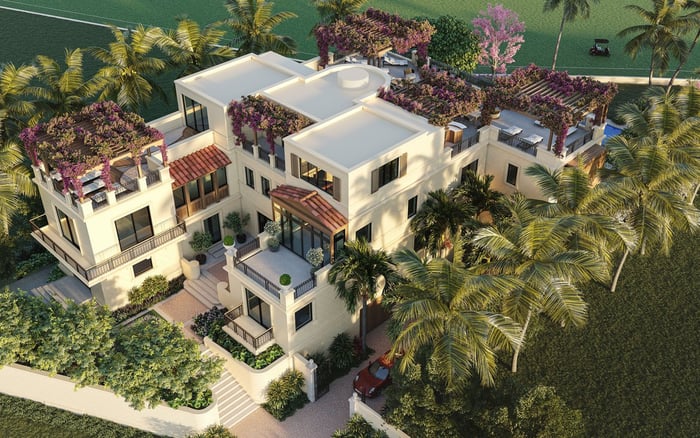
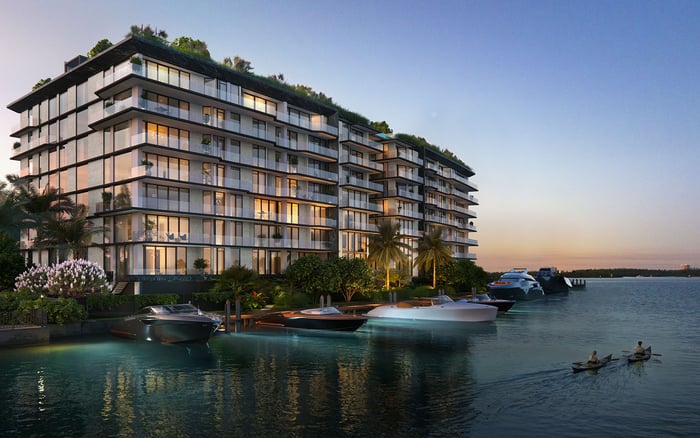
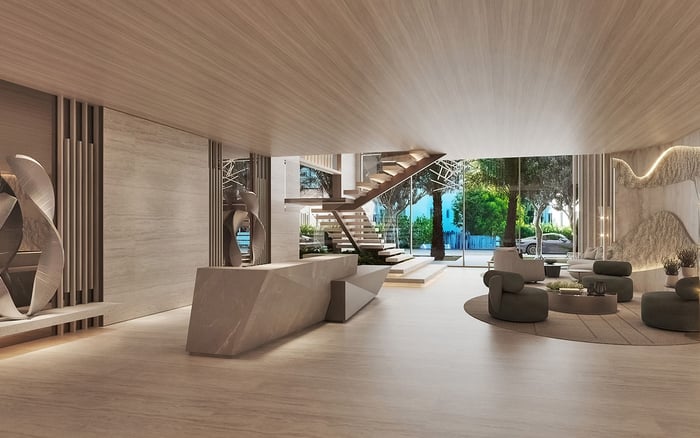
Projects such as The Well Bay Harbor Islands can be evaluated for design, amenities, residence mix and ownership costs rather than compared on square footage alone.
Begin with three capital envelopes. The first covers the purchase and closing. The second anticipates property-specific work, furnishings and initial carrying costs. The third remains outside the residence as strategic liquidity. The allocation is personal, but separating these categories can reduce the risk of concentrating too much capital in the acquisition.
Establish a walk-away price for each candidate rather than one budget for the entire neighborhood. Different residences may justify different limits based on condition, layout, orientation, privacy, building quality, timing and total ownership costs.
Compare usable space rather than relying only on headline square footage. Room proportions, circulation, storage, terrace utility and separation between private and entertaining areas can materially affect how a residence functions.
New-development buyers should evaluate the building as rigorously as the residence. When considering Bay Harbor Towers, request current project documents and verify construction status, contractual closing provisions, deposit terms, included finishes and the consequences of a revised schedule.
For completed condominiums, examine association finances, reserve funding, insurance, assessments, maintenance history and recurring charges with qualified advisers. Model property taxes and other expenses using property-specific information rather than broad neighborhood assumptions.
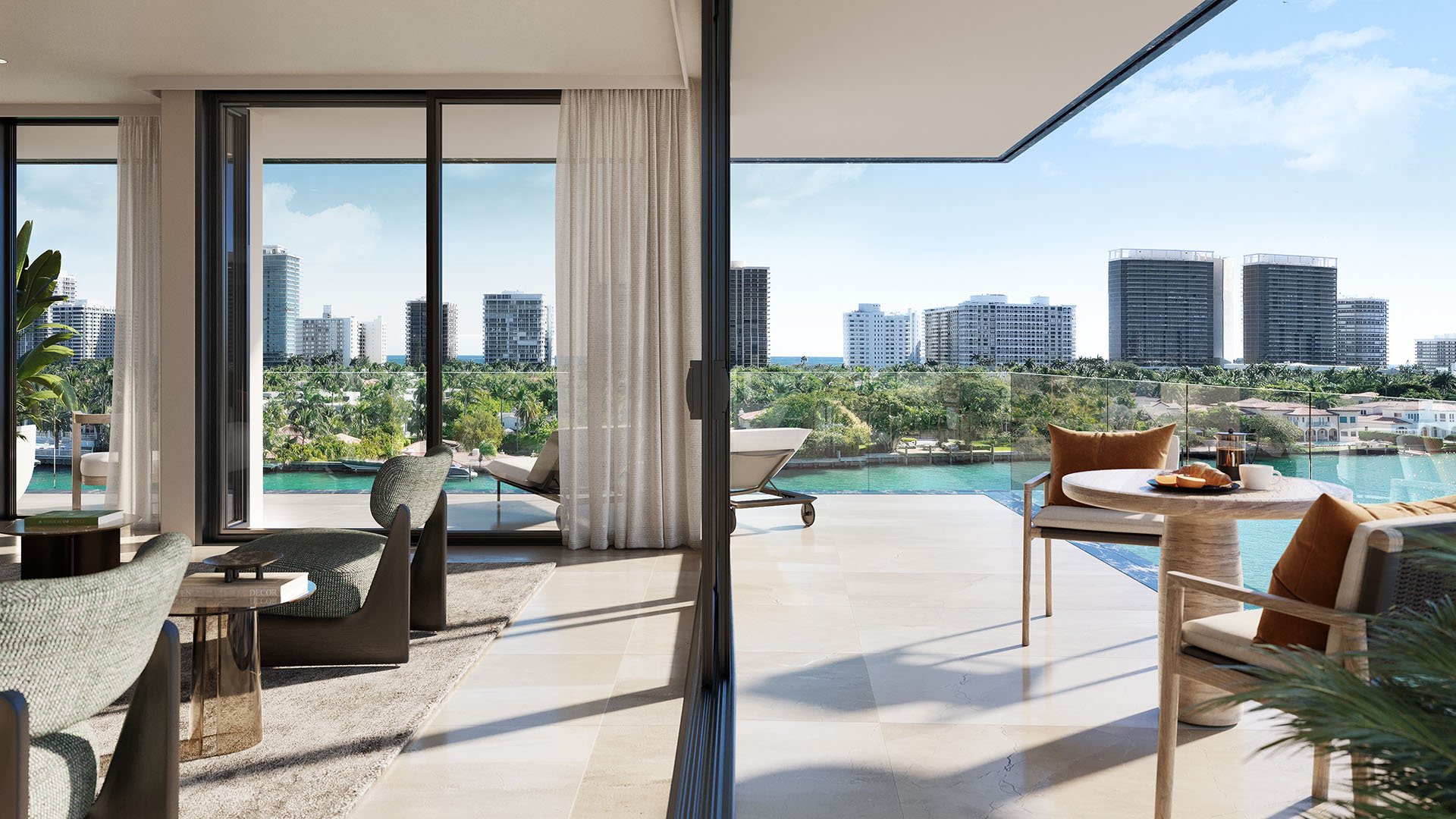
Orientation deserves equal scrutiny. A waterfront description alone does not establish the lived experience. Evaluate exposure, sightlines, terrace position, privacy and surrounding development from the actual residence whenever possible, ideally at more than one time of day.
A buyer with a firm relocation or occupancy date should give greater weight to closing certainty. Completed residences present a different timing profile from properties under development, while a buyer with flexibility may be more comfortable accepting schedule uncertainty for a preferred plan or position.
The same framework applies when reviewing La Baia North Bay Harbor Islands. Request a current account of delivery status, available inventory, deposit obligations, finish scope and closing requirements. Normalize those factors before deciding that one residence offers better value than another.
If temporary housing would be required by a delay, include that possibility in the acquisition plan. The practical cost of uncertainty can matter as much as the stated purchase terms.
Leverage is property-specific. A sound offer should account for direct competition, condition, orientation, layout, delivery risk and total ownership cost. A concession has limited value if the residence does not satisfy the buyer’s timing, quality or capital requirements.
Preserve optionality until the ownership case is fully supported. The strongest outcome after a liquidity event is not necessarily the largest residence or the greatest nominal discount; it is an acquisition that remains coherent after the excitement of the transaction has passed.
Should a buyer purchase immediately after a New Jersey liquidity event? Not automatically. First define the residence’s purpose, capital allocation and advisory plan.
How should resale and new-development condominiums be compared? Compare condition, amenities, layout, orientation, timing, finish scope and total carrying costs.
Are single-family homes directly comparable with condominiums? No. They involve different approaches to privacy, maintenance, amenities and capital planning.
What matters most when occupancy timing is firm? Prioritize closing certainty and verify any construction schedule, contractual provisions and potential delay exposure.
What should be reviewed for a completed condominium? Review association finances, reserves, insurance, assessments, maintenance history and recurring charges with qualified advisers.
What should be reviewed for a residence under development? Verify construction status, deposit terms, closing provisions, included finishes and the consequences of schedule changes.
How important is waterfront orientation? It can be central to the experience. Assess sightlines, exposure, terrace position, privacy and nearby development from the residence itself.
Should a buyer rely on price per square foot? Use it as one measure, then consider layout efficiency, condition, privacy, view and building quality.
How much liquidity should remain after closing? The amount is personal and should reflect furnishings, improvements, carrying costs and broader financial needs.
What defines a disciplined Bay Harbor Islands purchase in 2026? It aligns property quality, occupancy timing, lifestyle utility and total capital exposure with the buyer’s plan.
When you're ready to tour or underwrite the options, connect with MILLION.
If branded residences are on your mind — as a home or as an allocation — we would be glad to share what we are seeing, privately.
Begin a quiet conversation