A document-based second-home review of Four Seasons Fort Lauderdale, separating established property facts from unresolved questions about litigation, insurance, financing and owner use.
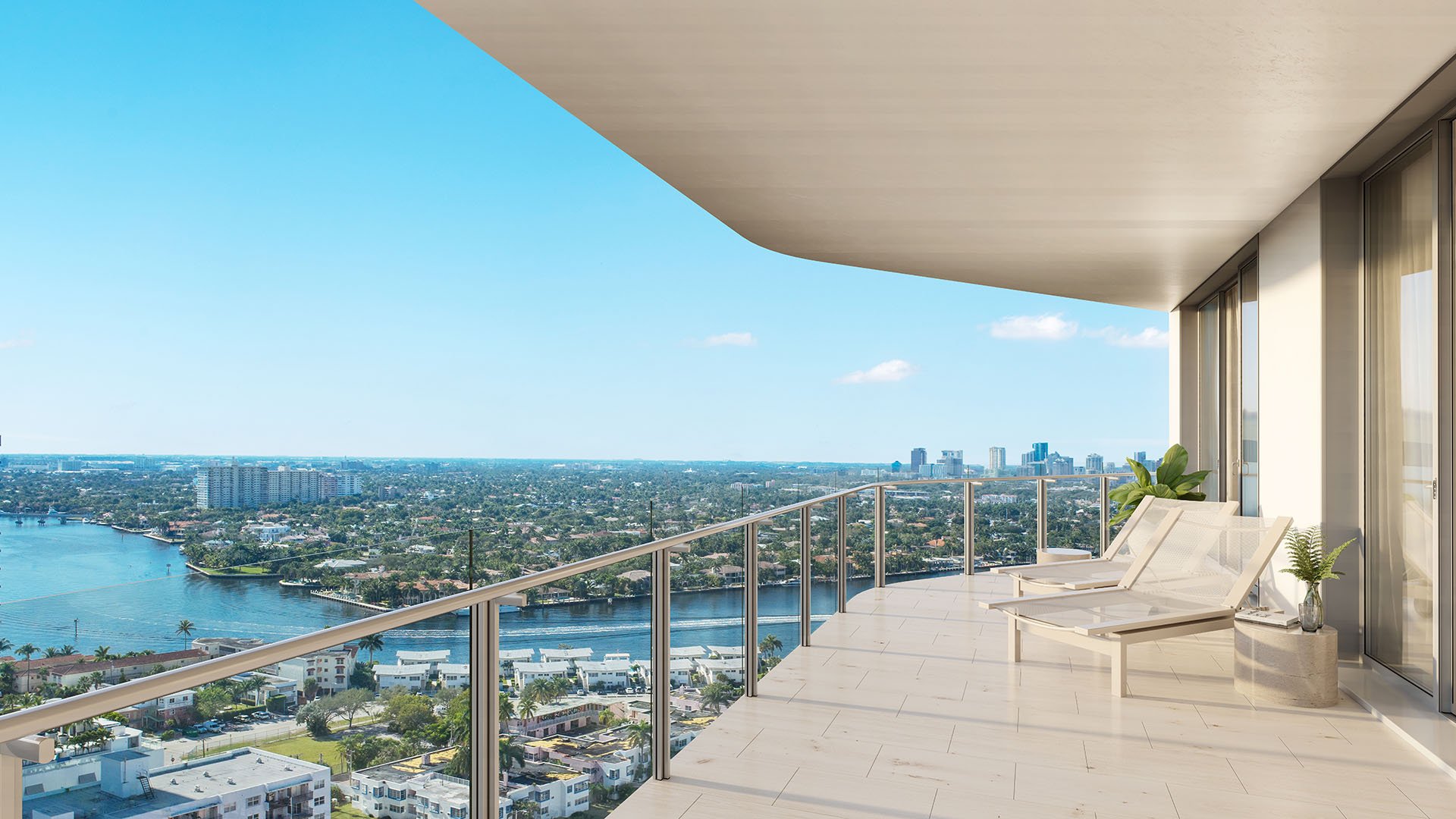
For a second-home buyer, the promise of Four Seasons Hotel & Private Residences Fort Lauderdale deserves a review as precise as the purchase itself. The decision is not simply whether the address suits a seasonal routine, but whether the residence’s legal obligations, insurance arrangements and financing conditions support the expected ownership experience.
Current property-specific litigation disclosures, insurance-renewal negotiations and lender reactions remain unconfirmed. Treat these subjects as diligence questions, not established adverse events. Equally, the absence of verified information does not assure buyers that no dispute, coverage issue or financing restriction exists. This is a document-based buyer review, not a firsthand inspection or account of negotiations.
The distinction matters: a recognizable hospitality name should neither invite unsupported suspicion nor substitute for the association documents that govern ownership.
The property stands at 525 North Fort Lauderdale Beach Boulevard, Fort Lauderdale, Florida 33304. The 22-story development comprises 83 condominium residences and 138 hotel rooms. It obtained a temporary certificate of occupancy and began closings in 2022.
The private residences are designated sold out. That status does not establish whether individual owners are currently offering residences for resale. Likewise, the February 2022 sales position-approximately 93 percent sold, with six residences remaining-describes a historical moment, not today’s inventory.
For a Fort Lauderdale Beach buyer, these distinctions keep the review focused. Development-era sales figures do not answer questions about a particular seller’s residence, the current association budget or present financing eligibility. Each belongs in a separate part of the acquisition file, with its own supporting documents and review date.
Start with the association’s current pending-litigation schedule. Ask counsel to reconcile it with case captions, claim amounts, insurer involvement and relevant board minutes. The essential questions are specific: who is a party, what relief is sought, and what financial responsibility could reach residential owners?
The review should distinguish a claim against the association from one involving a developer, hotel operator or another entity. It should also identify applicable deductibles, any disputed insurance response and potential special-assessment exposure. A case name alone is not a sufficient basis for evaluating a purchase.
Historical disputes involving the Four Seasons name require particular care. GLK, L.P. v. Four Seasons Hotel Ltd. concerned Miami’s Millennium Tower Condominium Hotel, not this Fort Lauderdale property; dismissal was affirmed on statute-of-limitations grounds. That unrelated case should not be used to characterize the legal position here.
The objective is not a reassuring verbal summary. It is counsel’s property-specific explanation, tied to current documents, of any exposure that could survive closing.
No current renewal outcome or negotiation position is established here. Before assigning a financial consequence to insurance, request the master-policy certificates, declarations and renewal proposals, along with relevant board minutes and broker correspondence.
Compare premiums, deductibles, exclusions, carriers and limits. Ask which terms are currently bound and which remain proposed. If the transaction overlaps a renewal, have the association clarify the expected decision timetable and whether the operating budget reflects the existing policy or a proposed replacement.
Premium alone is an incomplete measure of protection. Connect coverage terms to the governing documents: which obligations belong to the residential association, which belong elsewhere, and what insurance must the individual owner arrange? Have an insurance adviser explain the resulting owner exposure rather than extrapolating it from a single annual figure.
A preliminary AE flood-zone designation warrants an authoritative flood determination and examination of current insurance documents. It does not establish an active building flood policy. Nor should a listed inspection status or community flood-program participation be treated as proof of statutory inspection compliance or building-specific coverage.
No current lender reaction to this property’s litigation, insurance or reserves is established here. Request written project-approval status from the intended lender, including any conditions concerning those matters or association delinquencies. Ask the lender to distinguish borrower approval from its decision on the condominium project.
The development’s historical financing does not answer that question. A $210 million construction loan from Madison Realty Capital in late 2019 was development financing, not evidence that an individual residence qualifies for a particular mortgage today.
Where financing is part of the purchase, coordinate the lender’s document review with counsel’s advice on contractual deadlines. A cash buyer can still investigate project eligibility as part of an eventual resale assessment, without assuming that a financing restriction exists.
If Auberge Beach Residences & Spa Fort Lauderdale is also on the shortlist, request the same written lender review for that property. A useful comparison rests on each project’s current documents, not presumed equivalence between recognizable names.
A hotel presence does not imply automatic permission to rent a residence, participate in a hotel program or use the property without restrictions. Obtain the resale package, declaration, amendments and hotel-affiliation agreements. Have counsel identify rental restrictions, owner-use limits, program participation terms and the allocation of responsibilities.
Translate those provisions into the intended calendar. Can the residence accommodate the buyer’s preferred seasonal pattern? What permissions or obligations apply if it is rented? Which services and costs are contractual, and which require separate arrangements? The answers belong in the documents, not in assumptions about the brand.
For a buyer also considering The Surf Club Four Seasons Surfside, the same discipline applies. A shared hospitality name is no basis for assuming identical ownership rights, financial obligations or rental provisions.
Complete the review with the current budget, reserves, applicable reserve studies and milestone-inspection records, plus special-assessment history. Ask advisers to reconcile those materials with the litigation and insurance files rather than review each in isolation. Every unresolved item should have an identified decision-maker and a clear path to clarification.
The purchase assessment should separate established obligations, contingent exposure and unanswered questions. Counsel can then advise whether further documentation, contractual protection or a change in timing is appropriate. None of those responses should be presumed necessary before the facts are known.
The second-home decision is ultimately personal, but the standard of evidence should remain exacting. Proceed when the residence fits the intended lifestyle and the documents make its obligations clear-not merely because the address is compelling.
For a discreet perspective on South Florida second-home ownership, connect with MILLION.
If branded residences are on your mind — as a home or as an allocation — we would be glad to share what we are seeing, privately.
Begin a quiet conversationThe property is at 525 North Fort Lauderdale Beach Boulevard, Fort Lauderdale, Florida 33304.
The 22-story development comprises 83 condominium residences and 138 hotel rooms.
No. The private residences’ sold-out designation does not establish current resale availability from individual owners.
The project obtained a temporary certificate of occupancy and began closings in 2022.
Current property-specific litigation remains unconfirmed. That does not establish the absence of disputes, so buyers should obtain the association’s current litigation schedule and counsel’s review.
No. GLK, L.P. v. Four Seasons Hotel Ltd. concerned Miami’s Millennium Tower Condominium Hotel, with dismissal affirmed on statute-of-limitations grounds.
Request master-policy certificates, declarations and renewal proposals showing premiums, deductibles, exclusions, carriers and limits. Relevant board minutes and broker correspondence should help distinguish bound coverage from proposed terms.
The preliminary AE designation should be confirmed through an authoritative flood determination. It does not establish that the building has an active flood insurance policy.
No. The historical $210 million construction loan does not establish current individual mortgage eligibility; obtain written project-approval status and conditions from the intended lender.
No. Rental rights, owner-use limits and hotel-program participation should be confirmed in the declaration, amendments and hotel-affiliation agreements.