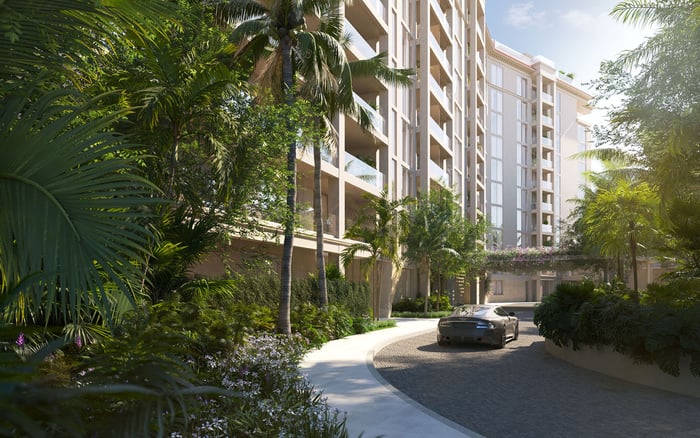
A discreet acquisition framework for family offices assembling a South Florida residential portfolio, separating contractual deposit obligations from internal funding decisions, currency execution, and condominium reserve diligence.
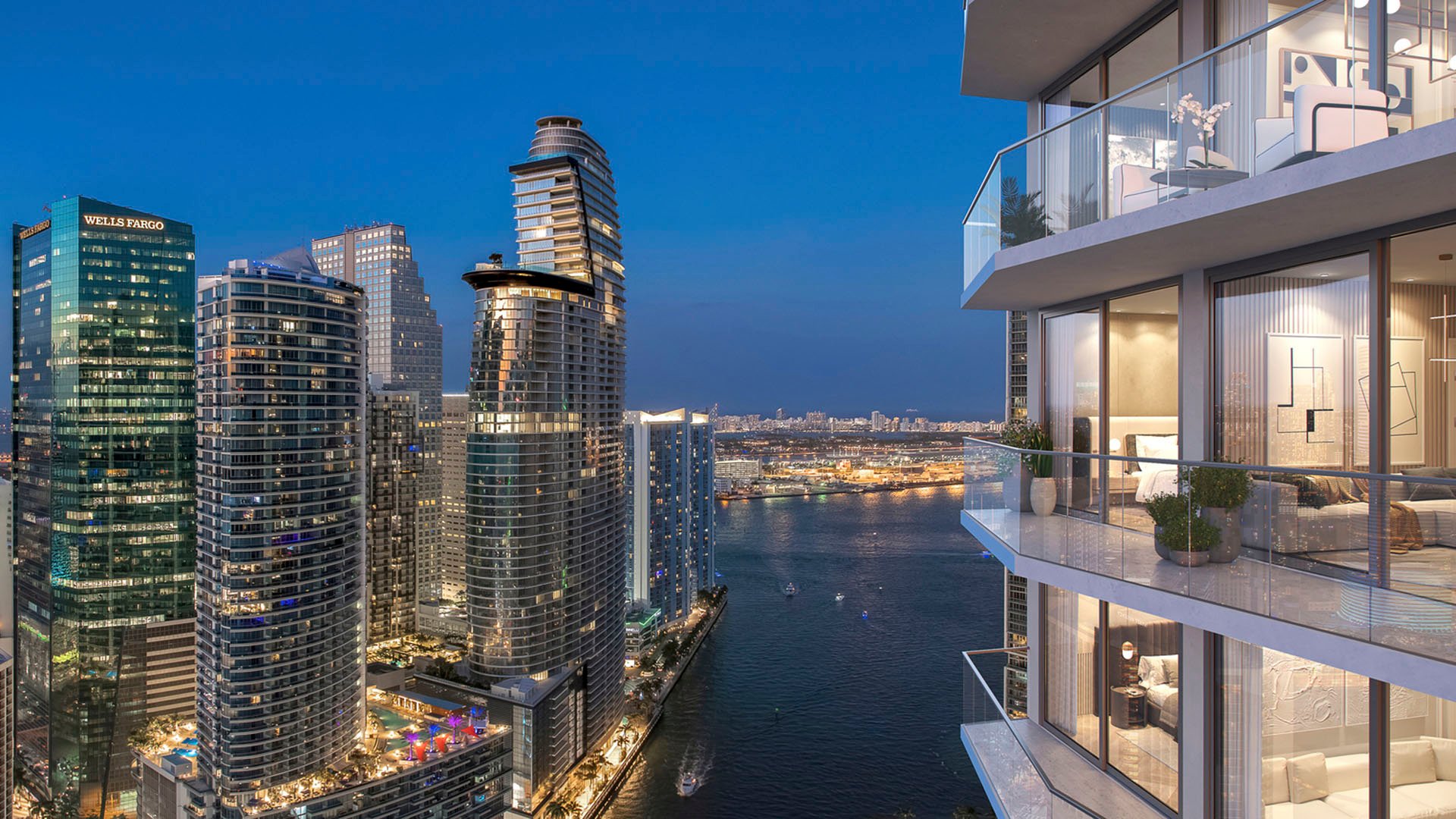
For a family office acquiring several South Florida residences, the purchase price is only part of the commitment. The more consequential questions are when each obligation becomes payable, which entity must fund it, and whether the capital is accessible in the required currency. A collection of exceptional homes deserves an equally disciplined payment architecture.
The objective is not to impose identical terms on different properties. It is to preserve each acquisition’s individuality while managing the combined demands on cash. A residence under consideration at The Residences at 1428 Brickell should enter the same portfolio calendar as other prospective acquisitions. Its payment obligations, however, must come from its own transaction documents-not assumptions about Brickell or a neighboring development.
The treasury practices below are recommendations for internal governance, not statutory payment standards. Contract terms and applicable law remain the controlling framework.
A useful calendar records more than dates and amounts. For each residence, identify the purchaser entity, deposit recipient, contractual trigger, payment currency, funding account, approval owner, and evidence of receipt. Distinguish fixed deadlines from milestone-dependent obligations, and flag dates awaiting confirmation.
For Pre-Construction acquisitions, do not borrow a deposit percentage or timetable from another transaction. No universal schedule is established here. Counsel should identify the operative amounts, contingencies, release rights, and consequences of nonpayment in the executed documents. Apply the same discipline to Resale purchases without assuming that builder or developer escrow procedures govern the transaction.
Florida’s builder/developer escrow statute addresses covered transactions. Under its buyer-default provisions, escrowed funds and earned interest may be paid to the builder or developer through the prescribed procedure. In the circumstances specified by the statute, the covered withdrawal procedure requires written notice at least 72 hours before the intended withdrawal.
That notice is not a general capital-call period, a promise of deposit recoverability, or a rule for every residential resale. Ask counsel to determine applicability and explain the release mechanics before treasury treats an escrow balance as available liquidity. Money committed to a purchase should not reappear in the office’s unallocated cash forecast.
The family office should work backward from each contractual payment deadline. Internal funding notice should allow for the actual sequence of approvals, asset availability, currency conversion where needed, bank processing, and confirmation of receipt. No single notice interval suits every ownership structure or funding source.
A practical funding request identifies the purchasing entity, obligation, amount, currency, required availability date, and approving individuals. It also distinguishes a preliminary forecast from an authorized transfer instruction. When a transaction changes, treasury and counsel should reconcile the revision against the underlying documents rather than rely on an informal message.
Consider a Miami Beach residence at The Perigon Miami Beach alongside a second acquisition elsewhere. The treasury question is not whether the properties share an aesthetic or intended use, but whether their obligations could require the same capital at the same time. Any decision to space closings should reflect contractual flexibility, not an assumed standard interval.
As a recommended safeguard, verify payment instructions through an independently established contact channel before releasing funds. Keep instruction verification separate from payment authorization, with a documented escalation route for changes.
For families holding capital in more than one currency, the acquisition calendar should distinguish the property obligation from the conversion decision. First establish what must be paid and when. Then decide, with the office’s treasury advisers, how and when the required currency will become available.
A proposed conversion plan should identify the funding currency, destination account, execution authority, expected settlement sequence, and treatment of any shortfall. It should distinguish firm figures from estimates. A favorable exchange-rate expectation is no substitute for a funded closing plan.
For a prospective Coconut Grove acquisition such as Four Seasons Residences Coconut Grove, the same principle applies: selection and treasury execution are separate decisions. Neither the project name nor the neighborhood establishes a conversion policy or payment currency; transaction documents must establish the latter.
Stress scenarios can help the office examine adverse currency moves or delayed access to funds. Choose assumptions for the family’s exposures rather than present them as a prescribed percentage. The useful output is a funding response, including who can authorize it.
Short-term liquidity should reflect the portfolio’s foreseeable calls on cash. Begin with committed deposits and closing balances, then consider expected ownership expenses, transaction costs, and association obligations identified during diligence. Keep uncertain amounts visible rather than bury them in an apparently precise total.
Separate funds immediately available for payment from capital that requires liquidation, conversion, borrowing, or another approval. Treasury can then test overlapping closings and delayed funding against the same calendar. This is an internal planning exercise, not a mandated reserve formula.
A West Palm Beach candidate such as Alba West Palm Beach should be evaluated within that aggregate view. The reserve question is how its documented obligations interact with the rest of the collection-not whether a particular address justifies a predetermined cash cushion.
Do not assume every office needs the same number of months in reserve. The appropriate amount depends on obligations, funding access, and the family’s tolerance for execution risk.
Condominium diligence belongs beside the deposit calendar. Florida’s milestone-inspection requirements cover residential condominium and cooperative buildings with three or more habitable stories, including qualifying mixed-ownership buildings. The general initial trigger is 30 years of building age, with subsequent inspections generally every 10 years. A local enforcement agency may require the initial inspection at 25 years when local circumstances warrant it.
Qualifying condominium associations must maintain a Structural Integrity Reserve Study, or SIRS. Required studies generally follow a 10-year cycle. These association reserve obligations are material to acquisition diligence but distinct from the family office’s own liquidity reserve.
The applicable initial SIRS deadline for qualifying associations existing on or before July 1, 2022, was December 31, 2025, subject to the milestone-inspection timing exception. An association required to complete a milestone inspection on or before December 31, 2026, may complete its SIRS simultaneously with that inspection, but not after December 31, 2026.
Before committing, request the relevant inspection and reserve-study documentation, current budget, and information on approved or contemplated assessments. Counsel should assess the building’s applicable deadlines. Treasury should translate documented obligations into the portfolio forecast without assuming every building has the same exposure.
Before each payment, reconcile the legal obligation, authorized funding amount, currency availability, verified recipient, and remaining liquidity. Assign responsibility for unresolved issues so that an attractive acquisition does not outrun its funding plan.
For a discreet conversation about assembling a South Florida residential collection, connect with MILLION.
If branded residences are on your mind — as a home or as an allocation — we would be glad to share what we are seeing, privately.
Begin a quiet conversationNo. Each property’s amounts, deadlines, contingencies, and release rights should be checked against its executed transaction documents.
No. It addresses covered transactions and should not be generalized to every residential resale.
In the circumstances specified by the builder/developer escrow statute, written notice is required at least 72 hours before the intended withdrawal. It is not a general family-office capital-call notice period.
Under the statute’s buyer-default provisions, escrowed funds and earned interest may be paid to the builder or developer through the prescribed procedure.
As a planning recommendation, work backward from the contractual deadline to allow for approvals, funding availability, conversion, and payment processing. There is no universal interval established here.
No prescribed percentage is established here. Treasury advisers should select assumptions appropriate to the family’s currency exposures and funding arrangements.
The recommended approach is to size liquidity around documented obligations, overlapping payments, funding access, and execution risk. No universal reserve duration is established here.
The requirements cover residential condominium and cooperative buildings with three or more habitable stories, including qualifying mixed-ownership buildings.
The general initial trigger is 30 years, followed by inspections generally every 10 years. A local enforcement agency may require the initial inspection at 25 years when local circumstances warrant it.
For qualifying associations existing on or before July 1, 2022, the initial deadline was December 31, 2025, subject to the timing exception. Associations required to complete a milestone inspection by December 31, 2026, may complete SIRS simultaneously, but not after that date.