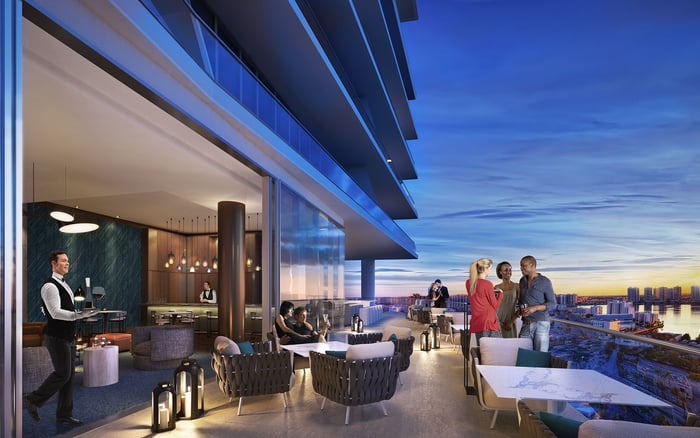
A buyer-focused framework for evaluating Brickell residences through daily walkability, club privileges, private dining access, operating rules, and long-term fit.
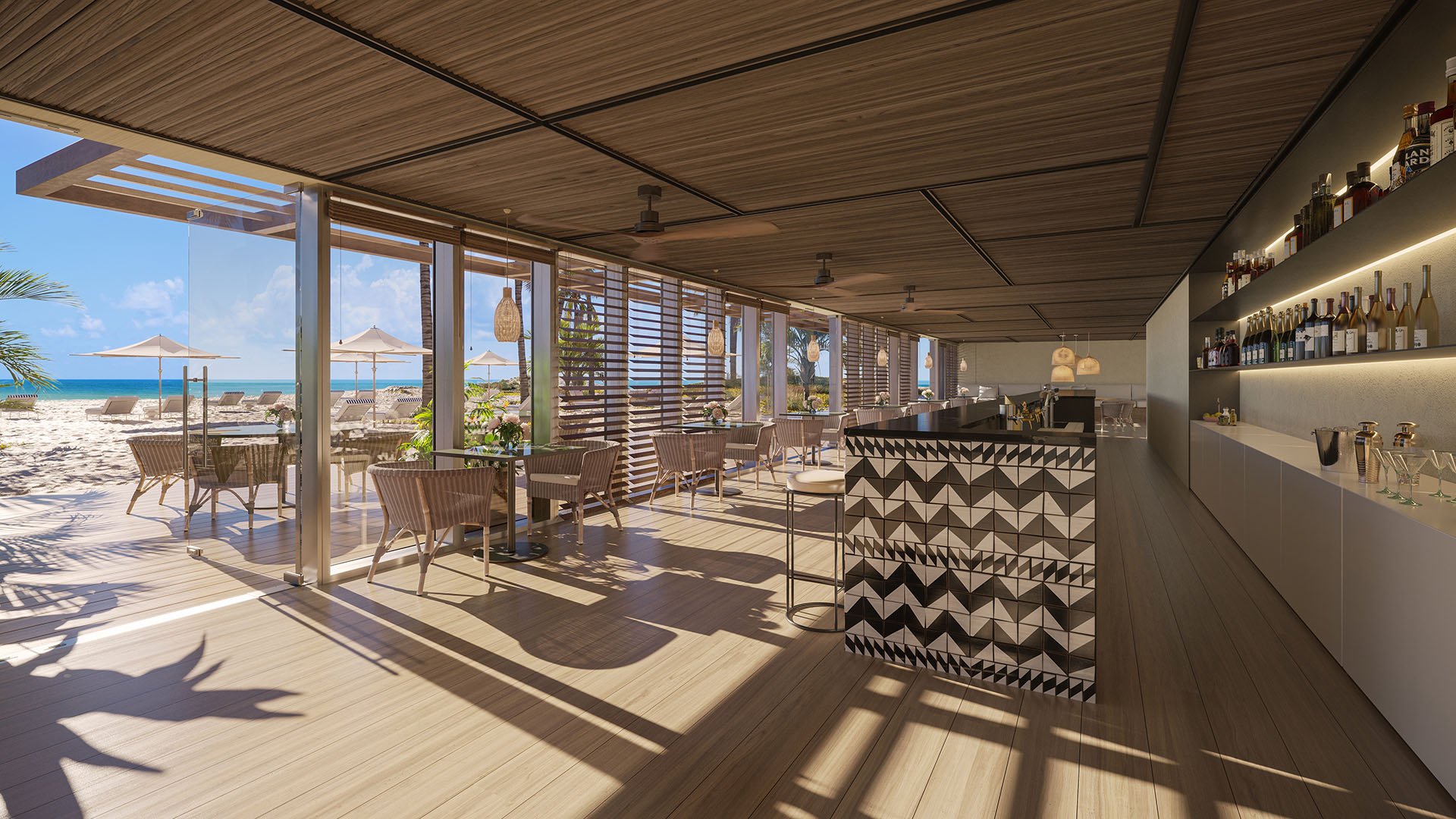
Brickell can be evaluated through plans, finishes, views, and amenity schedules, but the defining luxury is often simpler: how fluently a residence supports daily life. For buyers considering a purchase in 2026, walkability, club privileges, and private dining should be treated as operating features, not decorative extras.
Begin by writing a seven-day lifestyle brief. Note where you expect to have coffee, exercise, meet colleagues, dine with family, receive guests, and enter a car. Then test whether each candidate building makes those routines genuinely convenient.
The result should be a shortlist based not merely on proximity, but on ease, privacy, reliability, and the quality of the transitions between home and city.
A map can show distance, but it cannot fully convey the experience of a route. Walk every important journey yourself, ideally more than once and at the hours when you would normally use it. Consider shade, crossings, traffic intensity, weather exposure, sidewalk continuity, building entrances, and the comfort of arriving on foot.
Create three rings around each residence. The first covers daily essentials you want within an effortless walk. The second includes destinations you would visit several times a week. The third captures places that may be technically walkable but are more realistically reached by car in formal clothes, in rain, or with guests.
Buyers comparing 2200 Brickell with The Residences at 1428 Brickell should apply the same route test to both rather than assume a single definition of Brickell walkability. The useful question is not, “Can I walk there?” It is, “Will I choose to walk there consistently?”
Bars and restaurants matter, but so do quieter routines. Assess morning movement, carrying groceries, walking a pet, guest drop-off, and the final approach to the lobby. A strong walking address should perform beyond the evening peak.
“Club access” can describe very different arrangements. It may refer to a residents-only room, a building-operated social program, a separately governed membership, preferred reservations, or simply proximity to a venue. Buyers should never treat these categories as interchangeable.
Request the governing documents and current written policies defining eligibility, dues, guest privileges, age restrictions, dress expectations, booking windows, cancellation terms, and transferability upon resale or leasing. If a benefit depends on a third party, clarify who controls it and whether the arrangement can change.
This distinction is especially important when reviewing Branded Residences, where hospitality language can create expectations that differ from enforceable ownership rights. When considering Cipriani Residences Brickell or St. Regis® Residences Brickell, request precise written distinctions among residential amenities, service offerings, and any membership-based privileges.
Private dining is valuable when it works on the dates, at the scale, and with the discretion a resident expects. A beautiful room has limited utility if reservations are scarce, guest limits are restrictive, outside chefs are prohibited, or staffing costs make spontaneous use impractical.
Request the reservation hierarchy, any minimum spend, service charges, food-and-beverage rules, kitchen-access policy, music limitations, closing hours, cleanup obligations, and procedures for private staff or security. Ask how holidays and high-demand weekends are handled. Confirm whether the room is exclusively residential or shared with another operation.
When considering ORA by Casa Tua Brickell, separate marketing language from the contractual details governing actual use. Any private dining offering should be underwritten as a service with rules, not admired solely as an image.
Evaluate every candidate across three dimensions: residence, building, and neighborhood. The residence score should cover layout, acoustic privacy, storage, elevator arrival, service circulation, and hosting capacity. The building score should address staffing, access control, amenity governance, reservation technology, and financial obligations. The neighborhood score should measure the routes and destinations that support your lifestyle.
New-construction buyers should also distinguish intended programming from delivered operations. Ask which features are contractual, which are subject to management, and when access begins. For completed properties, request demonstrations where appropriate: book a room, enter as a guest would, and walk the route from the valet or sidewalk to the residence.
Give greater weight to the features you will use weekly. A modestly sized dining room with dependable availability may be more valuable than a grand venue that is difficult to reserve. Likewise, one comfortable pedestrian route can matter more than numerous destinations that appear close on a screen.
Before signing, consolidate every lifestyle representation into a written checklist and have the relevant professional advisers review the applicable documents. Confirm what is included, what carries an additional charge, what can be amended, and which entity controls each benefit.
Review leasing rules if flexibility matters, guest registration if entertaining is central, and service access if you employ household staff. Consider how the building handles deliveries, drivers, event vendors, and last-minute visitors. Luxury is often revealed through these ordinary moments.
Finally, revisit the property without the sales presentation. Walk your preferred morning and evening routes, observe the arrival sequence, and imagine an uneventful Tuesday. The right Brickell purchase should feel coherent even when no special occasion is taking place.
What does walkability mean for a Brickell buyer? It means personally important routes are comfortable and practical at the times, in the clothing, and under the conditions in which they will actually be used.
Should I rely on a map to compare buildings? No. Use maps to create a shortlist, then walk each route and evaluate crossings, exposure, traffic, entrances, and arrival quality.
Is a residents’ lounge the same as a private club? Not necessarily. Confirm ownership, governance, eligibility, dues, guest rights, and whether access is included or separately arranged.
What should I verify about private dining? Check booking priority, guest limits, fees, catering rules, operating hours, staffing, cleanup, and policies for high-demand dates.
Can club privileges change after purchase? Terms may depend on governing documents, management policies, or third-party arrangements. Identify who controls each privilege and how it may be amended.
How should frequent entertainers assess a residence? Study the floor plan, guest arrival, elevator access, acoustic separation, service circulation, parking, security procedures, and dining-room availability.
What matters most for a second home? Prioritize dependable staffing, simple arrivals, secure access, manageable reservation systems, and amenities that remain useful during shorter stays.
How do I compare proposed and operating amenities? Separate contractual commitments from illustrations or anticipated programming. For operating amenities, request current rules and observe how reservations work.
Should resale value influence the lifestyle review? Yes, but daily fit remains essential. Clear access rights, practical routes, and well-governed amenities may be easier for future buyers to understand.
Who should review access and membership documents? Engage appropriate legal and financial advisers to examine governing documents, costs, transferability, and obligations before committing.
For a discreet conversation and a curated building-by-building shortlist, connect with MILLION.
If branded residences are on your mind — as a home or as an allocation — we would be glad to share what we are seeing, privately.
Begin a quiet conversation.jpg&width=700&height=438&fit=cover)