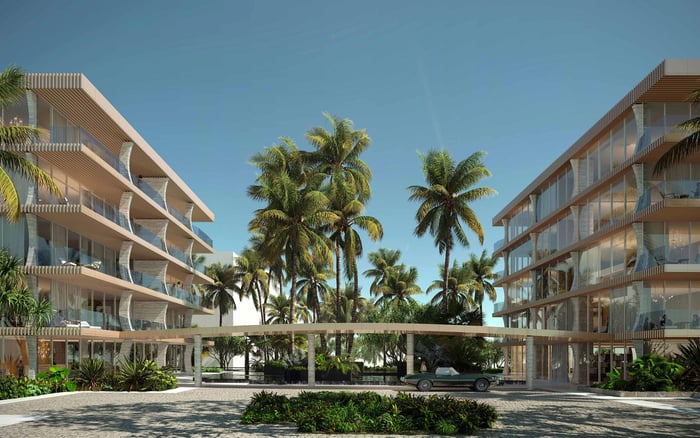
Choosing between Fort Lauderdale and West Palm Beach requires three separate decisions: how the residence will be occupied, whether it genuinely qualifies for homestead, and what its first year will cost. A property-specific comparison is more useful than a citywide assumption.
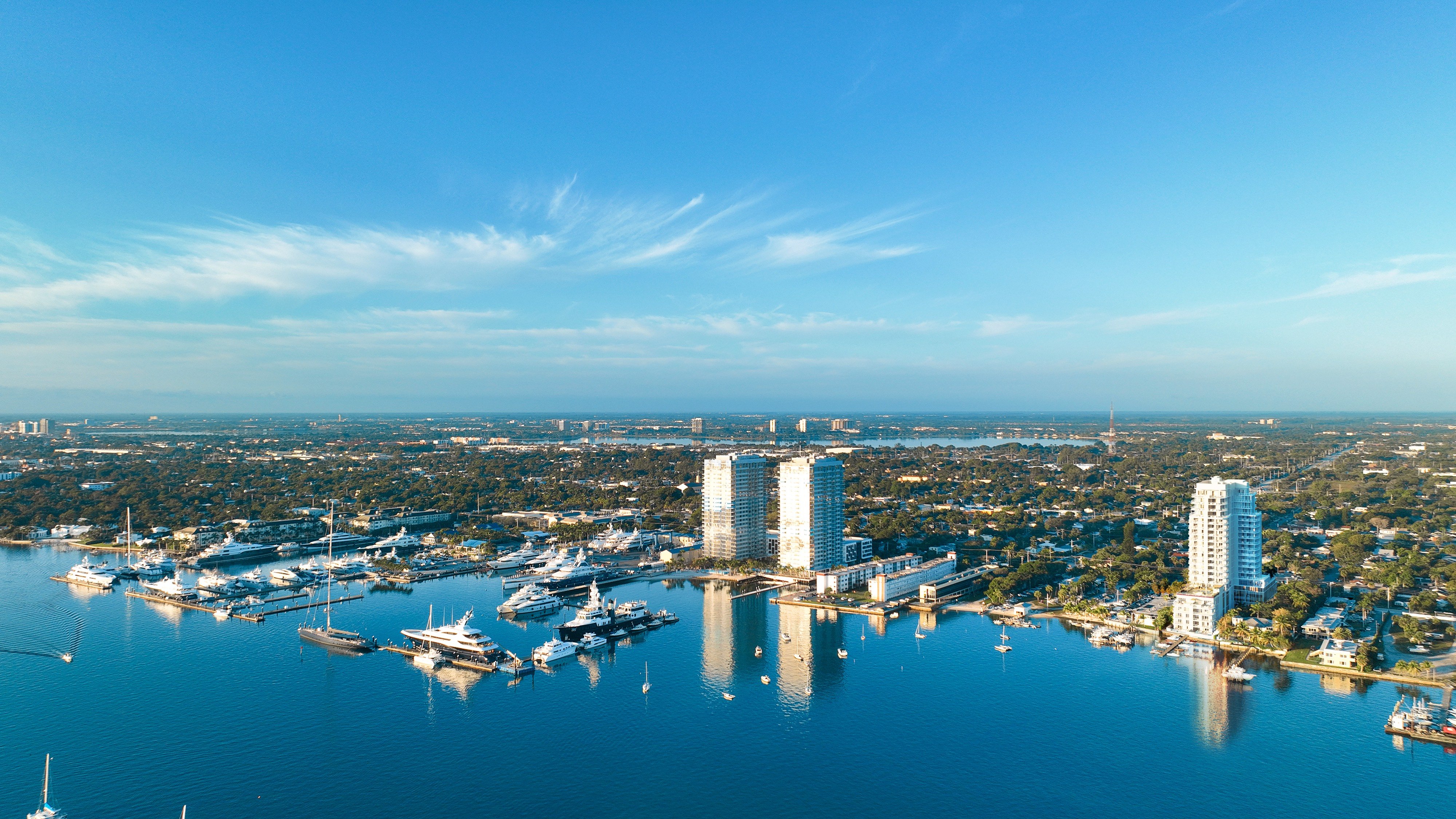
The practical choice between Fort Lauderdale and West Palm Beach begins with a calendar, not a skyline. Will the residence be your permanent home, a winter retreat, an occasionally rented apartment, or a property left empty for extended periods? The answer shapes insurance discussions, homestead planning, and the cash required to operate the home comfortably.
Neither city has a separate permanent-residence standard for Florida homestead. Nor is there a defensible citywide winner on first-year costs without comparable property budgets and insurance quotations. The useful comparison is residence against residence, with the same intended occupancy and the same financial diligence.
For a buyer considering Andare Residences Fort Lauderdale alongside Alba West Palm Beach, the first task is not to presume a tax or insurance advantage. It is to establish an ownership plan that can be evaluated consistently at either address.
Insurance occupancy and tax homestead are distinct questions. An insurer needs an accurate description of primary, secondary, seasonal, rental, or vacant use. A homestead application does not replace that disclosure, and the way an owner describes a property socially should not determine how it is insured.
Before requesting quotations, prepare an occupancy calendar showing expected periods of residence, extended absences, and any proposed rentals. Ask the insurance adviser to confirm in writing that the quoted coverage reflects that pattern, including any relevant conditions or restrictions.
This discipline matters whether the shortlist includes Four Seasons Hotel & Private Residences Fort Lauderdale or another condominium. A project's identity does not establish the appropriate coverage for an individual owner's use. If that use changes, revisit the insurance arrangements rather than assuming the original quotation remains suitable.
Florida homestead eligibility generally requires legal or beneficial title and use as a permanent residence on January 1 of the applicable tax year. Ownership alone is insufficient for a seasonal or vacation property. A buyer acquiring title after January 1 generally cannot establish that year's eligibility through the purchase alone.
For West Palm Beach buyers, the standard Palm Beach County application deadline is March 1. Approved exemptions generally renew automatically while eligibility continues. Automatic renewal does not remove the need to address a later change in residence or use.
The base exemption removes $25,000 of qualifying assessed value from taxation; it does not reduce the tax bill by $25,000. An additional exemption applies to specified non-school taxes, with the inflation-adjusted amount requiring confirmation for the relevant tax year.
Obtain a purchase-specific tax estimate from the applicable county property appraiser. The seller's bill is not a reliable substitute for the buyer's future liability. Also review any residency-based property-tax benefit retained elsewhere: conflicting benefits can jeopardize homestead and create exposure to a tax lien, penalties, and interest.
A residence intended for occasional rental requires closer review than a simple permanent-home or vacation-home label suggests. In Palm Beach County, rentals totaling 30 days or less per calendar year remain subject to continuing homestead eligibility. That threshold is not blanket permission to rent while preserving the exemption.
Limited rentals exceeding 30 days but lasting less than six months in one year may be treated differently, while renting again for more than 30 days the following year can cause loss of homestead. Renting on January 1 can also jeopardize eligibility.
Before incorporating rental income or homestead savings into a budget, confirm the proposed calendar with the relevant tax and insurance advisers. Separately verify the property's rental restrictions. Tax treatment, insurance acceptance, and permission to rent are separate checks-not interchangeable approvals.
For a condominium, HO-6 coverage generally addresses the unit's interior, including improvements, personal belongings, liability, and loss of use, subject to policy terms. The association's master policy generally covers the exterior structure and common areas. The practical task is to understand where one policy ends and the other begins.
When evaluating Forté on Flagler West Palm Beach, request the same insurance documentation you would for a Fort Lauderdale alternative: master-policy declarations, deductibles, and claims history. Review the unit-owner quotation against those documents rather than treating the annual premium as a complete measure of protection.
Standard homeowners and condominium policies generally exclude flood damage, so evaluate separate flood coverage in either city. Ask for written quotations addressing actual occupancy, wind coverage, hurricane deductibles, flood, liability, contents, and valuable articles. Distinguish the price of coverage from the cash you may need to absorb an insured event.
A useful operating comparison separates recurring expenses, known additional commitments, and contingency liquidity. Keeping these layers visible prevents a low monthly figure from obscuring a substantial first-year cash requirement.
Recurring expenses:
Compare association dues, purchase-specific property taxes, annual insurance premiums, utilities not included in dues, maintenance, security, and any separately contracted property management. Identify which staffing and amenities the association budget funds before adding outside services.
Known additional commitments:
Review pending assessments and any documented maintenance obligations. For condominiums, request the current budget, reserves, structural inspection reports, and assessment information. Do not assume that similar presentation means similar financial obligations.
Contingency liquidity:
Keep hurricane deductibles and other potential out-of-pocket exposures separate from annual premiums. A deductible reserve is not automatically an expense incurred during the year, but it remains an important part of cash planning. Do not present reserves and premiums as the same number.
Wind-mitigation documentation can improve the precision of insurance quotations. Qualifying features may include roof characteristics, roof-to-wall connections, opening protection, and secondary water resistance. Insurers must offer discounts for qualifying features, but eligibility and savings depend on the property and documentation. Certain mitigation-related provisions apply only to eligible homesteaded single-family homes that meet insured-value and construction requirements; do not assume they apply universally to luxury residences or condominiums.
The stronger choice is the residence whose occupancy plan, tax position, insurance arrangements, and operating commitments fit your intended use. Compare both finalists on that basis, without presuming either city's name guarantees lower costs.
For a considered approach to your South Florida residential search, explore MILLION.
If branded residences are on your mind — as a home or as an allocation — we would be glad to share what we are seeing, privately.
Begin a quiet conversationFort Lauderdale and West Palm Beach share Florida's statewide homestead framework. Neither has a separate permanent-residence standard.
Eligibility generally requires legal or beneficial title and use as a permanent residence on January 1 of the applicable tax year. A purchase after that date generally does not establish eligibility for that year through ownership alone.
The standard deadline is March 1. Approved exemptions generally renew automatically while eligibility continues.
No. It removes $25,000 of qualifying assessed value from taxation, rather than subtracting that amount from the tax bill.
No. Insurance occupancy is distinct from tax homestead eligibility, and the insurer should receive an accurate description of actual primary, seasonal, rental, secondary, or vacant use.
No. The permanent-residence requirement must genuinely be met; title alone is insufficient.
Yes—even rentals totaling 30 days or less remain subject to continuing eligibility, and renting on January 1 can jeopardize homestead. Longer or repeated rentals require careful review.
It generally covers interior improvements, personal belongings, liability, and loss of use, subject to policy terms. The association's master policy generally covers the exterior structure and common areas.
Standard condominium and homeowners policies generally exclude flood damage. Separate flood coverage should be evaluated in either city.
There is no supported citywide winner without comparable property-specific figures. Compare taxes, dues, insurance, maintenance, pending assessments, and deductible liquidity for the actual residences.