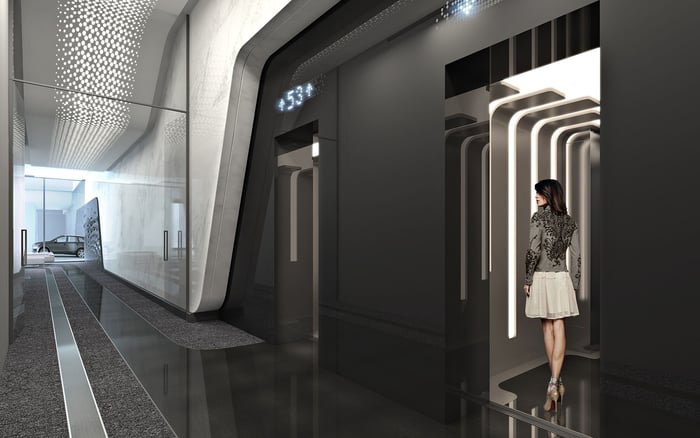
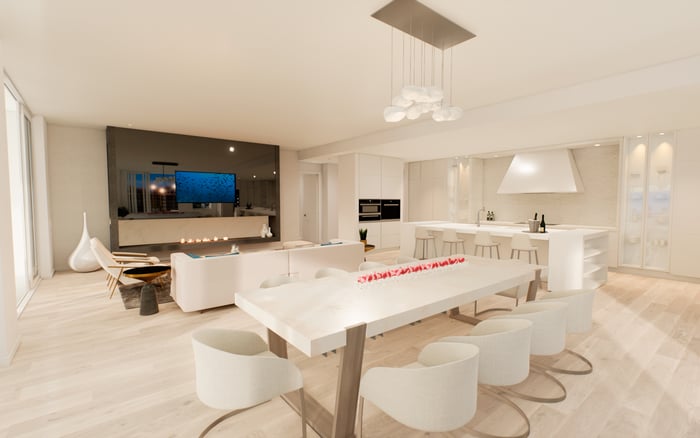
A discreet address should work as elegantly in an owner’s absence as it does on arrival. This Boca Raton buyer’s audit examines residential circulation, commercial deliveries, event-day access, and the operating rules that make lock-and-leave ownership credible.
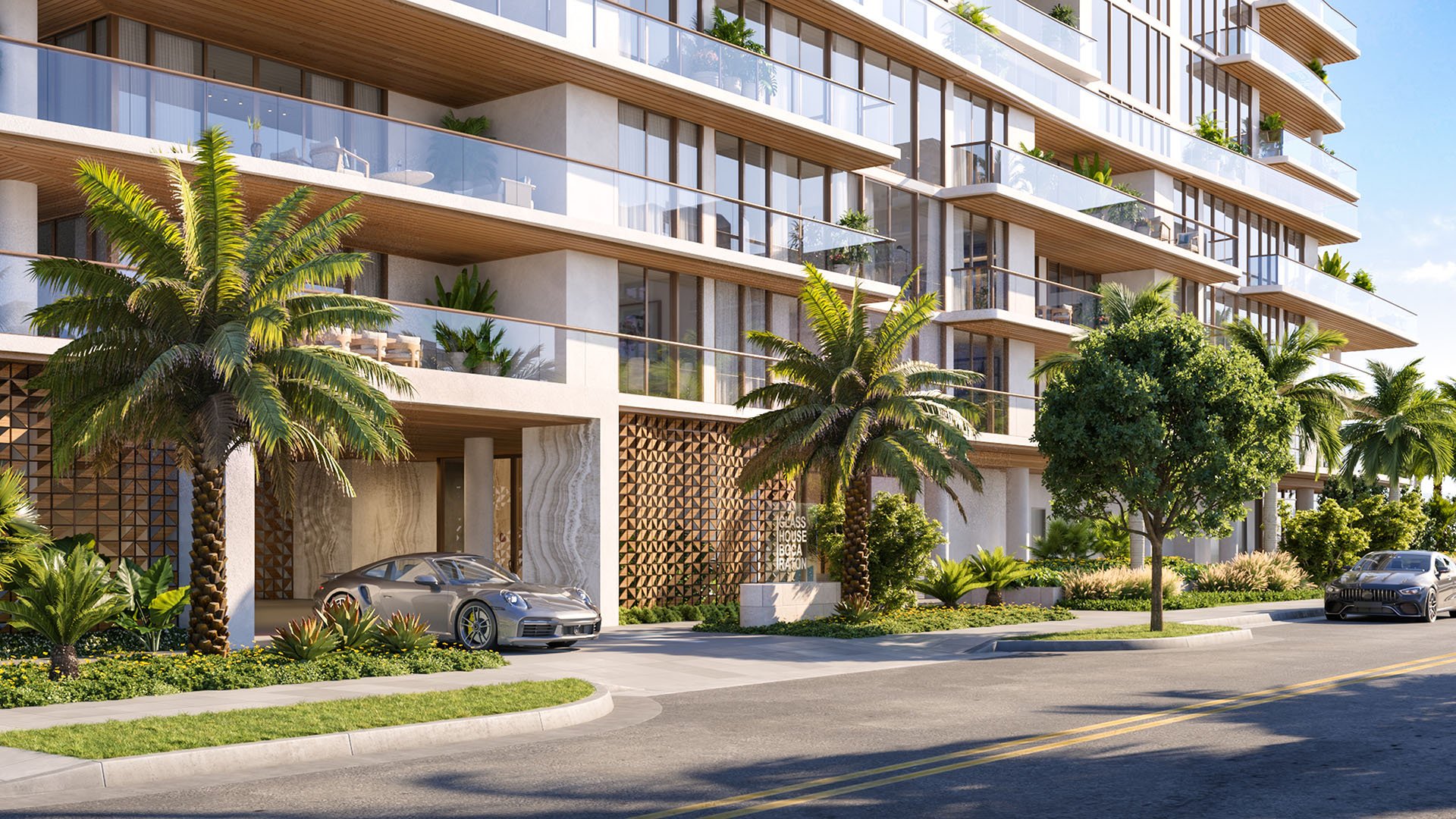
For a seasonal owner, luxury may be most persuasive in an uneventful arrival. The car reaches the correct entrance, luggage moves discreetly upstairs, and the residence is ready without a chain of last-minute permissions. Evaluate lock-and-leave ownership as an operating arrangement, not simply an amenity description.
In Boca Raton, that evaluation belongs alongside the view, floor plan, and finishes. A lively neighborhood and a private home are compatible objectives, but buyers should establish where public circulation ends and residential control begins. The essential question is not whether activity exists nearby, but whether the building can explain, demonstrate, and document how residents move through it.
When reviewing downtown plans, distinguish proposed neighborhood uses from a residence’s access arrangements. A mixed-use designation does not establish that any particular residence shares an entrance, garage, or elevator with commercial visitors. Likewise, a proposed redevelopment program should not be treated as a description of completed facilities.
For a buyer considering Alina Residences Boca Raton, the next step is a property-specific circulation review, not an inference from downtown’s broader direction. Apply that distinction to every address: neighborhood plans explain context; building documents and demonstrations should establish access arrangements.
Request a walkthrough that begins outside the property, not at the sales reception desk. Follow the route from the street to resident parking, then to the elevator and residence. Repeat the exercise for a chauffeured arrival and an invited guest. Where operations cannot yet be inspected, request the proposed routes and identify which arrangements remain subject to change.
At each transition, ask who may enter, what credential is required, and who handles exceptions. A doorway that appears separate does not establish controlled access. Nor does a shared approach, by itself, establish inadequate privacy. What matters is what happens where the routes meet.
For Glass House Boca Raton or another shortlisted address, apply the same questions without assuming a particular entrance or elevator configuration. Ask management to demonstrate how an unannounced visitor is handled and how an owner authorizes a guest remotely. Keep proposed arrangements distinct from procedures already in operation.
Where commercial uses are present, ask for the full delivery sequence: vehicle approach, unloading location, staging area, internal route, and departure. Distinguish commercial deliveries from residential parcels, groceries, furniture, and contractor equipment. Each warrants a specific explanation, not a blanket assurance that deliveries are managed.
Ask whether unloading areas intersect with resident vehicle or pedestrian routes. If the arrangement includes a service elevator, establish who authorizes its use, whether access is limited by destination, and how competing requests are resolved. Confirm delivery windows and the procedure for arrivals outside them.
For longer absences, examine the last few feet of the journey. Can a parcel remain in secure storage? Who can authorize entry into the residence? What happens to a delivery requiring a signature or refrigeration? Resolve these questions in writing rather than presuming services from a luxury designation.
Evaluate nearby public events through their relationship to the actual residential route. An event announcement alone does not establish recurring activity, congestion, or a building access problem. Check the location and timing before drawing conclusions about an address.
Ask whether nearby programming changes garage access, valet procedures, rideshare pickup, or pedestrian entry. If adjustments are necessary, request the resident notification procedure and alternate arrival instructions. When feasible, visit during public activity and during a quieter period. Observe the actual route rather than treating a busy sidewalk as evidence of compromised privacy.
Privacy deserves its own review, separate from the arrival sequence. Ask which amenities are reserved for residents, which allow invited guests, and whether any spaces admit other users. Establish how permissions are checked at connecting doors, elevator landings, and amenity reception points, where applicable.
When evaluating The Residences at Mandarin Oriental Boca Raton, make those questions as specific as they would be at an unbranded property. A name is no substitute for a written explanation of access rights. This is an audit standard, not a statement about that project’s facilities or protocols.
Discretion also extends to information. Ask how guest names, access credentials, and owner absence instructions are handled. Clarify who can see those instructions and how an owner withdraws permission previously granted to a visitor or service provider.
Before departure, seek a written absence protocol that distinguishes building responsibilities from owner responsibilities. Ask who receives urgent notifications, who may enter the residence, what authorization is required, and how interventions are recorded. Confirm whether inspections or other requested services are included, separately arranged, or unavailable.
Then test a simple scenario: the owner is abroad, a contractor arrives, and the usual contact cannot be reached. Who decides whether entry is permitted? What is the fallback contact sequence? A satisfactory answer identifies roles and permissions rather than depending solely on one helpful employee.
Organize the purchase review around three categories: demonstrated procedures, written commitments, and unresolved questions. For proposed operations, note the governing document and any qualifications. For existing operations, compare the written rule with what management can demonstrate during a visit.
The objective is not to remove urban life from the ownership experience. It is to select a residence whose boundaries remain clear when restaurants are receiving supplies, guests are arriving, or the owner is away. Resolve outstanding questions about access and responsibility before treating lock-and-leave convenience as established.
For a considered approach to Boca Raton ownership, explore residential opportunities with MILLION.
If branded residences are on your mind — as a home or as an allocation — we would be glad to share what we are seeing, privately.
Begin a quiet conversationIt should examine arrival routes, visitor permissions, deliveries, amenity access, and procedures during an owner’s absence. Ask for demonstrations and written responsibilities rather than relying on an amenity description.
No. District-level planning does not establish a particular building’s entrance, garage, or elevator arrangements; those require a property-specific review.
Request the proposed circulation routes and governing documents, and identify arrangements that remain subject to change. Keep those proposals separate from procedures management can already demonstrate.
Trace resident parking, chauffeured arrivals, and guest entry through to the residential destination. Ask where credentials are checked and who handles exceptions.
Request the unloading, staging, internal circulation, and departure sequence where commercial uses are present. Clarify whether those routes intersect with resident access and how off-hours deliveries are handled.
Ask whether nearby programming changes garage access, valet operations, rideshare pickup, or pedestrian entry. Public activity alone does not establish congestion or a security problem.
Ask about secure storage, signature requirements, and deliveries needing refrigeration. Confirm who can authorize entry if a delivery must reach the residence.
Ask how an owner grants and withdraws access, who can view the instructions, and who handles exceptions. Confirm the fallback contact sequence if the usual contact is unavailable.
Ask which spaces admit residents, invited guests, or other users, and how permissions are checked. Verify the written access rules rather than assuming exclusivity from branding.
Confirm emergency contacts, entry authorization, notification procedures, and the division between owner and building responsibilities. Establish whether requested inspections or services are included, separately arranged, or unavailable.