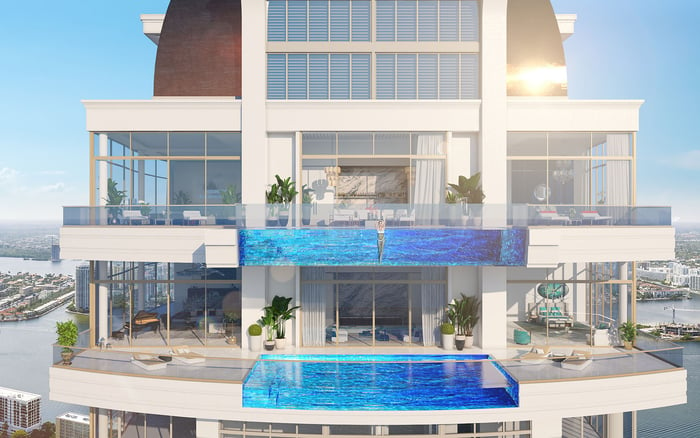
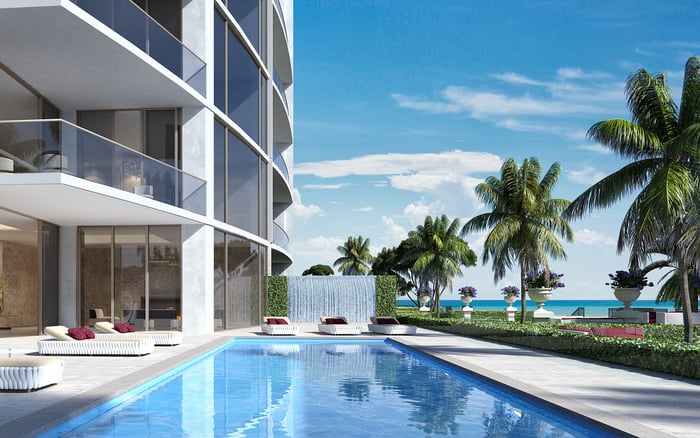
A family-office framework for comparing Tula Residences and One Park Tower through replacement-cost appraisals, wind deductibles, flood coverage and unit-owner loss-assessment protection, without mistaking monthly fees for insurance quality.
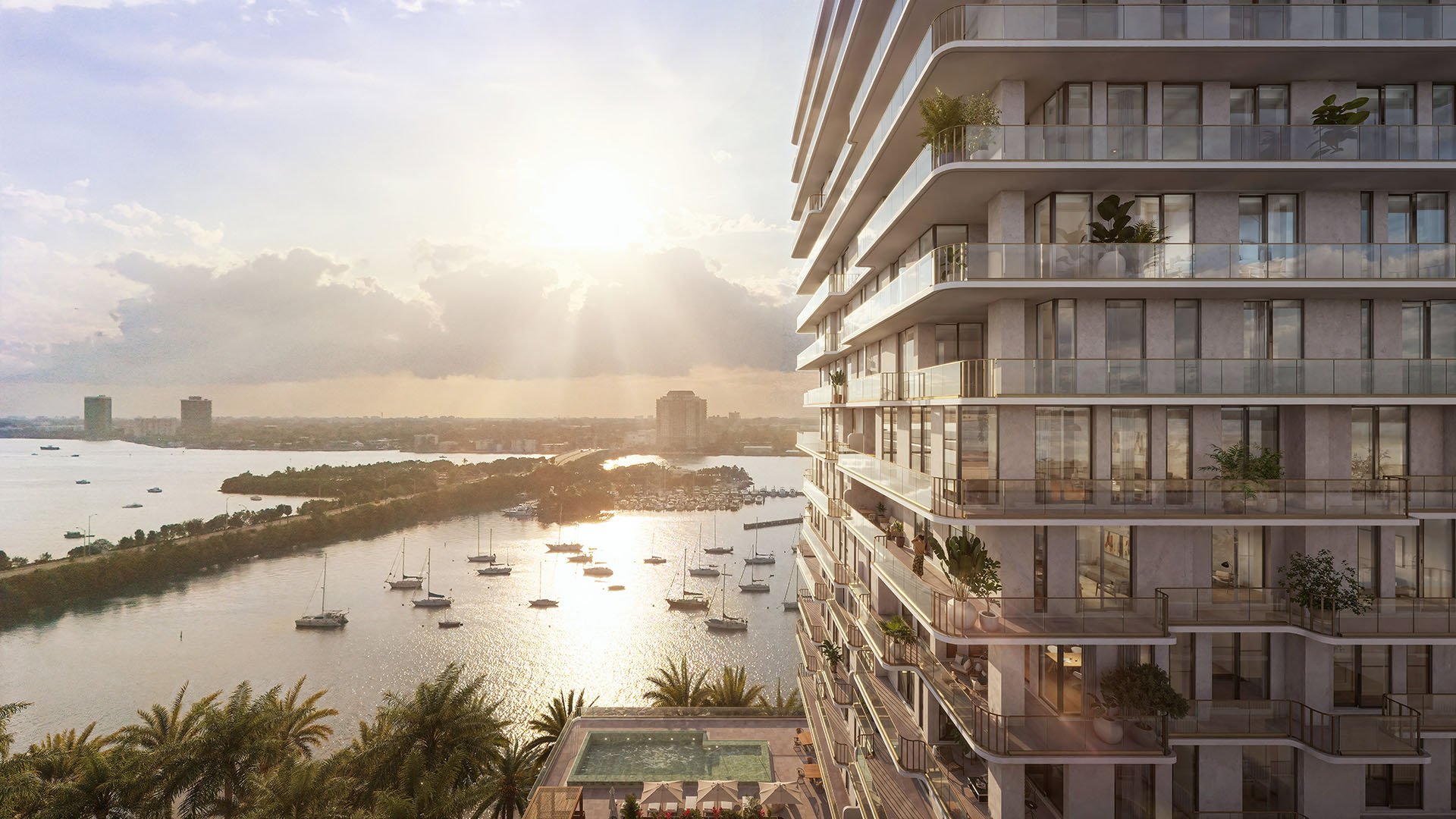
For a family office, a condominium purchase is both a residential decision and an investment in shared obligations. The question is not simply whether the building carries insurance, but how a covered loss moves through the association’s master policy, the owner’s policy and, ultimately, the family’s balance sheet.
Tula Residences North Bay Village is located at 7918 West Drive, North Bay Village, FL 33141. One Park Tower by Turnberry North Miami is located at 2411 Laguna Circle, North Miami, FL 33181. Neither merits an insurance advantage without a review of its actual policy terms, appraisal and allocation rules.
Monthly association charges do not establish which residence offers stronger insurance protection. A disciplined comparison asks what is insured, how values are established, what remains uninsured and how the association can allocate those costs to owners.
Florida condominium associations must maintain adequate property insurance. Replacement cost must be determined through an independent insurance appraisal or an update at least every three years. For buyers, that cadence is a starting point-not a substitute for examining the valuation itself.
Request the latest appraisal, its effective date and the property it values. Ask the insurance adviser to reconcile the appraisal with the master policy’s insured values and limits. The valuation document and policy schedule should present a consistent account of the property being protected.
Association property coverage generally encompasses condominium property as originally installed, or replacement materials of similar kind and quality, subject to statutory exclusions and the division of responsibility with owners. That boundary matters when a residence contains substantial interior improvements.
Replacement-cost coverage differs from actual-cash-value coverage because ordinary depreciation is not the ultimate valuation basis. It does not eliminate policy conditions or limits. Florida’s replacement-cost statute permits an initial dwelling-loss payment based on actual cash value, with remaining covered amounts paid as repair or replacement work proceeds and expenses are incurred. Ask counsel and the adviser how the applicable provisions affect the policies under review.
A hurricane deductible expressed as a percentage is not yet a usable budget figure. Its financial significance depends on the insured-value base to which that percentage applies. The underwriting file should show both the percentage and the resulting dollar exposure under the policy’s actual terms.
Ask whether the deductible is labeled hurricane, named storm or wind. Review the wording rather than treating those descriptions as interchangeable. Obtain the complete deductible schedule and endorsements, then have the association and insurance adviser calculate the potential allocation to the contemplated unit.
Association deductibles, uninsured losses and losses exceeding policy limits can become common expenses allocated to unit owners, subject to applicable statutory rules. A building-level deductible therefore warrants the same scrutiny as a direct personal obligation, even when the eventual assessment depends on the declaration and circumstances of the loss.
Compare each residence’s potential owner-level cash requirement-not merely which policy displays the smaller percentage.
The association’s master policy and an owner’s HO-6 policy serve different functions. Buyers should evaluate interior improvements and personal property separately, rather than assume the master policy covers everything within the residence.
Florida law requires residential condominium unit-owner policies to provide at least $2,000 in property loss-assessment coverage, subject to statutory deductible provisions. That minimum is not a family-office underwriting target. Consider $25,000-$50,000 as a discussion range with the adviser, then test whether the available limits match the unit’s modeled exposure.
The endorsement matters as much as the headline limit. Confirm whether coverage applies to assessments arising from association hurricane deductibles, whether wind or flood is excluded, and whether deductible assessments carry a separate sublimit. Obtain written clarification rather than rely on a general description of protection.
Loss-assessment coverage generally depends on the assessment arising from a cause of loss covered by the owner’s policy. It is not insurance against every association bill. Deferred maintenance, reserve shortfalls and structural-repair obligations generally fall outside ordinary protection unless policy wording provides coverage.
Waterfront ownership calls for a distinct flood review. Standard property coverage generally does not cover flood damage, so a substantial wind policy should never be treated as evidence of adequate flood protection.
For each association, request the flood policy, its limits, deductibles and coverage terms. Ask the adviser to identify remaining exposure at both association and unit level. Evaluate the owner’s flood needs alongside the HO-6 policy rather than assume one closes the gaps in the other.
The same document-first discipline can guide a broader search in Sunny Isles Beach, including Turnberry Ocean Club Sunny Isles. This is a transferable review framework, not an assertion that another residence carries equivalent coverage or presents equivalent risk.
Before approving either purchase, request the full master policy and endorsements, deductible schedule, replacement-cost appraisal, flood policy and loss history. Pair those insurance documents with the declaration, budgets, reserve studies, engineering reports, board minutes and pending assessments.
The first group explains the insurance contract. The second helps distinguish insurable loss exposure from obligations that may remain with owners regardless of insurance. Keep those categories separate in the acquisition memorandum.
Available fee figures illustrate why that distinction matters. One Park Tower ownership-cost estimates span $0.80-$2.50 per square foot per month, with owner HO-6 and flood insurance treated separately. These are marketing estimates, not verified association-policy terms.
A seven-listing snapshot for Tula indicates a median association fee of approximately $3,348 monthly, or $1.80 per square foot per month. It is neither an adopted association budget nor a measure of insurance quality. The differing bases make these figures unsuitable for ranking coverage or reserve strength.
Ask the association and insurance adviser to model three events: a deductible-level wind loss, an uninsured or underinsured flood loss, and a loss exceeding master-policy limits. Each scenario should identify the association’s uncovered amount, this unit’s potential allocation and the owner-policy response.
Second-home buyers should also examine payment timing. Replacement-cost protection does not necessarily eliminate the need to fund work before all covered proceeds arrive. The family office should consider a liquidity allowance for modeled uninsured obligations and timing gaps.
The defensible conclusion is not that Tula or One Park Tower has superior insurance. It is that either purchase should proceed on documented coverage, quantified deductible exposure and confirmed owner-policy protection. Residence selection can remain personal; risk approval should be explicit.
For a discreet perspective on South Florida residences and buyer priorities, explore MILLION.
If branded residences are on your mind — as a home or as an allocation — we would be glad to share what we are seeing, privately.
Begin a quiet conversationTula Residences is at 7918 West Drive, North Bay Village, FL 33141. One Park Tower is at 2411 Laguna Circle, North Miami, FL 33181.
Neither should be ranked without reviewing its actual master policy, deductibles, replacement-cost appraisal and flood coverage.
Florida condominium associations must determine replacement cost through an independent insurance appraisal or an update at least every three years.
No. Payments remain subject to policy conditions and limits, and applicable dwelling-loss provisions permit initial actual-cash-value payment followed by covered payments as work proceeds and expenses are incurred.
Hurricane deductibles are commonly percentages of insured value. The applicable value base determines the dollar exposure that may ultimately affect owners.
Residential condominium unit-owner policies must provide at least $2,000 in property loss-assessment coverage, subject to statutory deductible provisions.
Consider $25,000–$50,000 as an adviser discussion range, not a guarantee of sufficient protection. Test the limit and any deductible-specific sublimit against the unit’s modeled exposure.
Deferred maintenance, reserve shortfalls and structural-repair obligations generally fall outside ordinary loss-assessment protection unless policy wording provides coverage.
Yes. Standard property coverage generally excludes flood damage, so association and owner flood protection require separate evaluation.
No. The available Tula and One Park Tower figures use different bases and do not establish actual policy strength or reserve adequacy.