A residence-level diligence plan for family offices evaluating acoustic privacy in Sunny Isles Beach, from elevator and equipment adjacency to amenity activity, traffic exposure, and the purchase decision.
For a family office purchasing in Sunny Isles Beach, acoustic privacy deserves the same deliberate attention as layout, access, and ownership structure. A beautifully composed residence must also support sleep, confidential calls, visiting family, and undisturbed time at home. Define those expectations in the purchase brief before a preferred view or finish palette narrows the decision.
The central distinction is between a building feature and the experience inside a particular residence. Private arrival, a generous floor plan, or an elevated position is no substitute for testing. Elevator machinery, mechanical equipment, amenity activity, and exterior traffic require separate lines of inquiry, each tied to the rooms the household will actually use.
Treat the following as a recommended diligence plan, not a finding of noise defects at any named property. The objective is a documented, residence-specific decision-not a general judgment about a tower.
Request floor and mechanical plans showing the candidate residence relative to elevator shafts, equipment rooms, trash rooms, loading areas, garages, and amenities. Examine what is beside the apartment, above it, and below it. A bedroom's proximity to equipment deserves particular attention, even if the principal living room feels exceptionally calm.
Ask the acquisition team to annotate the plans with intended uses: primary sleeping suite, children's rooms, guest accommodation, and office. Then identify adjacencies that require observation or specialist review. Where access to plans is restricted, request written clarification from management. An unanswered question is not reassurance.
For a shortlist that includes Jade Signature Sunny Isles Beach, apply the same mapping exercise used for every other candidate. This is a recommendation for consistent comparison, not a statement about that property's acoustic performance. Keeping the questions constant helps prevent architecture or brand preference from displacing residence-level diligence.
Elevator machinery can transmit low-frequency sound and vibration through slabs and structural connections. Residences beside shafts or elevator banks therefore merit targeted scrutiny, even where the building otherwise has strong sound-control assemblies.
Arrange management-approved observation during ordinary elevator operation. Listen in the arrival area, nearest bedroom, and principal living space. Record when a sound begins and whether it coincides with elevator movement. Ask an acoustical consultant to evaluate persistent or ambiguous conditions rather than assigning a pass or fail on a brief impression.
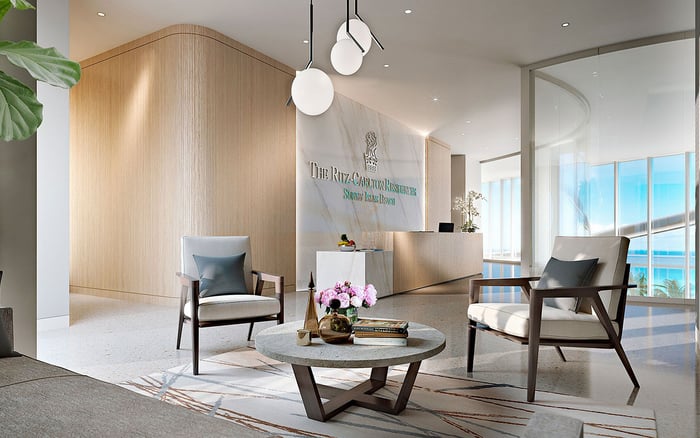
At The Ritz-Carlton Residences® Sunny Isles, residence features include private elevator lobbies. That feature should prompt questions about the particular residence's position relative to the shaft; it does not establish measured acoustic performance.
Bentley Residences Sunny Isles offers private three- or four-car garages accessed through the patented Dezervator vehicular elevator. For a buyer considering that arrangement, include the garage and elevator relationship in the plan review. Neither vehicular access nor private arrival is, by itself, evidence of quietness or excessive noise.
HVAC systems, pumps, generators, pool equipment, exhaust fans, and rooftop machinery can create continuous or intermittent sound. Trash chutes also warrant attention. A single daytime showing may miss the operating cycle that matters most to the household.
Request equipment locations and schedules from management before arranging return visits. Ask which systems operate continuously, which cycle, and which have scheduled testing or service. Coordinate any equipment observation with authorized staff; a purchase visit is not an occasion to manipulate building systems.
During each visit, note the room, time, character of the sound, and known equipment activity. Distinguish a steady hum from an intermittent event without assuming its cause. If an important operating condition cannot be observed, mark it as unresolved and seek a specialist's recommendation for further assessment.
Keep management's explanation separate from direct observation. Both belong in the acquisition file, but neither a schedule nor a verbal assurance constitutes a measurement of the residence.
Residences directly above pools, fitness studios, event rooms, restaurants, or children's areas may receive voices, music, furniture movement, and other activity noise. Outdoor amenity sound can also travel upward and laterally during gatherings, fitness classes, and pool service.
Ask for amenity hours, event policies, service schedules, and rules governing amplified sound. Where possible, arrange observation during representative permitted activity rather than evaluating an empty deck. Include bedrooms and terraces in the visit-not only the room with the most compelling outlook.
When comparing Turnberry Ocean Club Sunny Isles with another candidate, use the same questions about the selected residence's relationship to shared spaces. Do not infer a problem from an amenity's presence. What matters is what reaches the apartment during the activities the building allows.
Governance belongs in this review: ask what quiet hours apply, how complaints are recorded, and how rules have been enforced.
Treat exterior exposure as a separate test category. Ask management for complaint records or written responses addressing traffic, loading activity, and events, alongside interior building noise. Do not assume that a particular floor or orientation resolves those questions.
For a practical comparison, visit at more than one relevant time and observe the residence with exterior doors closed. Assess the terrace separately. Record the conditions so that candidates are not judged under materially different circumstances. A pleasant outdoor experience and acceptable indoor quiet are related purchase preferences, but they are not interchangeable findings.
For any concern that could change the purchase decision, request a consultant-defined assessment that accounts for the household's intended room uses. Do not assign a universal acoustic threshold or presume a verified façade rating.
Before committing, assemble plans, operating schedules, written management responses, observation notes, and any specialist findings in one acquisition file. Request noise-complaint records where available, including matters involving elevators, equipment, amenities, flooring, traffic, and events. If records are unavailable, seek written answers to the specific concerns rather than assuming there have been none.
Review flooring rules and alteration records as well. Hard surfaces, renovations, and noncompliant underlayment can change impact-noise performance between residences. This remains a separate diligence item even when the primary concern is a nearby shaft or deck.
Have the family office classify each material question as observed and acceptable, requiring further assessment, or unresolved. Counsel should address any proposed access rights, testing provisions, or corrective commitments within the transaction documents. A promised improvement is not an existing condition.
The goal is not an abstract promise of silence. It is confidence that the selected residence supports the household's expectations under relevant, documented operating conditions.
For a discreet conversation about your Sunny Isles Beach purchase priorities, connect with MILLION.
If branded residences are on your mind — as a home or as an allocation — we would be glad to share what we are seeing, privately.
Begin a quiet conversationElevator machinery can transmit low-frequency sound and vibration through slabs and structural connections. Testing should focus on the candidate residence's actual relationship to shafts and equipment.
No. Private arrival is an access feature, not evidence of measured acoustic performance inside the residence.
Include the garage and elevator relationship in the plan review and coordinate any observations with authorized staff. The access arrangement alone establishes neither quietness nor excessive noise.
Review HVAC systems, pumps, generators, pool equipment, exhaust fans, rooftop machinery, and trash chutes. Ask management for locations and operating schedules.
A single showing may miss intermittent equipment operation or amenity activity. Arrange additional observations during relevant operating periods where possible.
Yes. Outdoor amenity sound can travel upward and laterally, while residences above shared spaces may receive voices, music, and furniture movement.
Request floor and mechanical plans, equipment schedules, noise-complaint records where available, quiet-hour rules, flooring requirements, and alteration records. Seek written clarification for unanswered questions.
Observe interior rooms and the terrace separately at more than one relevant time, recording conditions for comparison. Ask management for written responses or complaint records addressing traffic and loading activity.
Hard surfaces, renovations, and noncompliant underlayment can change impact-noise performance between residences. Review flooring requirements and alteration records alongside equipment and amenity concerns.
Seek specialist assessment when a persistent, ambiguous, or unobserved condition could affect the purchase decision. Ask the consultant to define an appropriate evaluation for the household's intended room uses.