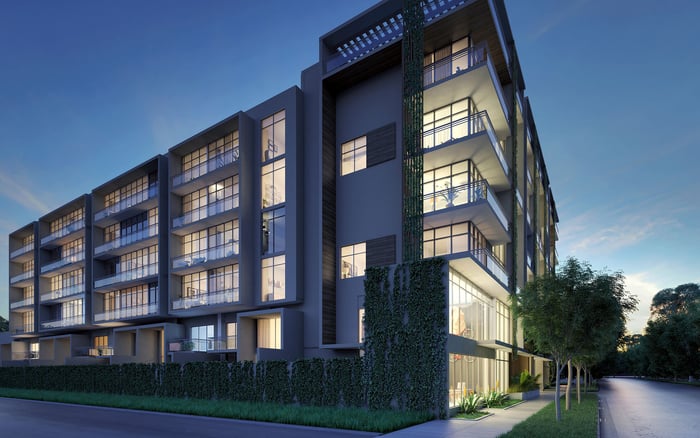
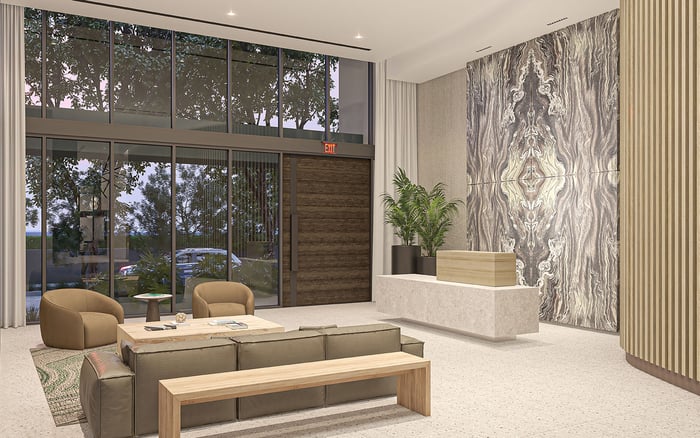
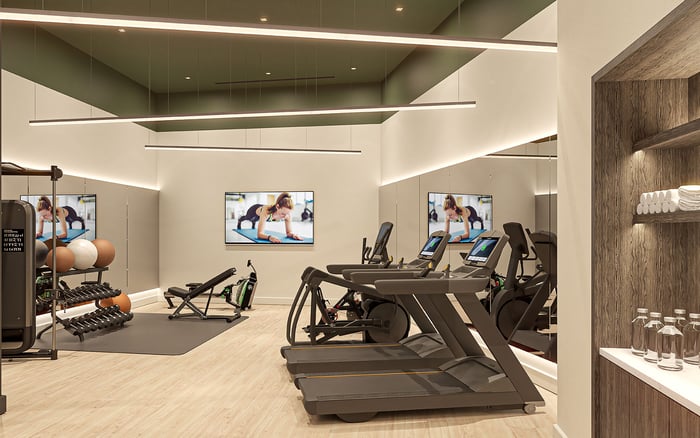
A family-office framework for separating Arbor Coconut Grove’s documented amenities from unresolved questions about children’s supervision, caregiver access, liability waivers, and insurance.
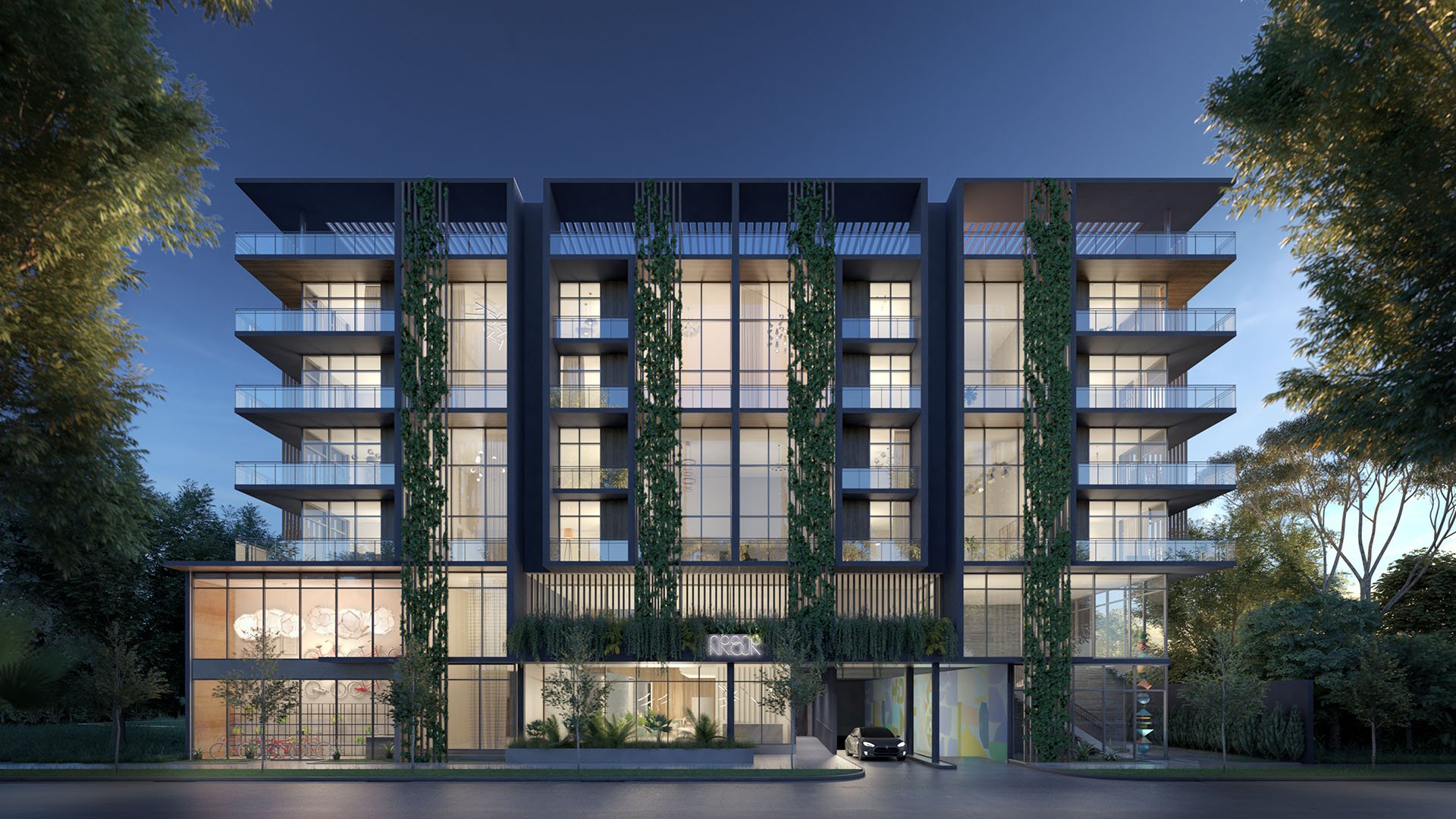
For a family office, a residence must accommodate more than an attractive floor plan. It must support the household’s daily routines, including times when parents are away and a caregiver is responsible for the children. At Arbor Coconut Grove, the diligence question is not simply which amenities exist, but who may use them, under whose supervision, and on what terms.
Located at 3034 Oak Avenue in Coconut Grove, Arbor has 45 residences with two- to four-bedroom layouts and flexible den spaces marketed as potential playrooms for young families. That flexibility is a useful residential feature, but it does not establish a communal children’s room or staffed childcare service.
The distinction matters: amenity access is not amenity supervision. A family-office file should separate physical facilities, household access rights, and responsibility for children rather than treat them as a single service offering.
The documented package includes a courtyard pool, rooftop terrace, fitness center, and social lounge, alongside 24-hour concierge and valet services. Childcare or custodial responsibilities for concierge and valet personnel are not established.
A children’s club, supervised playroom, nursery, babysitting service, or kids’ camp is not identified in the reviewed amenity materials. Lifeguard coverage and childcare staffing are also unconfirmed. These remain open questions, not findings that such arrangements are prohibited or nonexistent.
For acquisition purposes, request the current declaration, bylaws, rules and regulations, and amenity handbook. Retain written management clarifications with those documents, and ask which provisions govern if a general service description appears broader than the rules. An amenity should enter the household’s operating plan only once its permitted use and supervision requirements are understood.
The pool file should begin with configuration. Confirm the actual arrangement before making assumptions about access routes, supervision, or the relationship between the courtyard pool and rooftop terrace.
Pool depth, fencing, operating hours, age restrictions, and child-to-adult ratios are not publicly specified in the reviewed amenity materials. Request current pool rules and ask whether lifeguards are present, during which hours, and whether coverage varies by day or season. An unanswered staffing question establishes neither a staffed nor an unstaffed operating model.
Confirm whether children require an accompanying adult, whether that adult may be a nanny or au pair, and whether supervision rules vary by age. Ask about emergency equipment, incident procedures, guest limits, reservations, and private children’s events. These answers determine whether a planned afternoon swim complies with the building’s rules-not merely whether a pool is available.
Whether nannies, au pairs, or other household employees may use common facilities independently of their resident employer remains unconfirmed. Registration, sponsorship, background checks, insurance, accompaniment, and credential requirements are likewise unresolved.
Frame the written inquiry around an ordinary household scenario: a caregiver arrives while the owners are away, collects the children from the residence, and accompanies them to an amenity. Ask whether that sequence is permitted and what documentation it requires. Confirm key or fob requirements, after-hours entry, parking and valet privileges, and whether access is tied to a named employee or must be renewed when staff change.
Separate building admission from permission to use each amenity. A credential that opens an entrance should not be assumed to authorize pool, gym, lounge, or rooftop use. Clarify whether the caregiver qualifies as the accompanying adult and whether their presence uses an additional guest allowance. Keep the resulting instructions accessible to both the household manager and the caregiver.
The rooftop terrace, fitness center, and social lounge each warrant a separate entry in the diligence file. Whether children may use these spaces without an adult, and whether caregiver-specific restrictions apply, is not established.
For the terrace, confirm permitted children’s activities, reservations, private gatherings, and restrictions relevant to caregiver-led use. For the fitness center, ask about age thresholds and adult accompaniment rather than assuming residential access extends to every household member. For the lounge, clarify minor-guest rules, guest caps, and emergency-contact requirements.
Outside providers require a separate set of questions. Before arranging a swim coach, instructor, babysitter, or recurring activity, verify whether the provider is allowed, what registration is necessary, and what insurance evidence is required. Ask specifically whether an additional-insured requirement applies. None of these conditions should be inferred from the presence of an amenity.
Whether residents, children, caregivers, or guests must sign liability waivers, and what indemnification terms apply, remains unconfirmed. Request the actual waiver, release, and related access forms before counsel evaluates their significance.
The review should address whose conduct is covered, who is expected to sign, how minors and domestic employees are treated, and whether any indemnification obligation extends beyond the person using the facility. Counsel should assess the language rather than rely on a form’s title to describe its effect.
Request relevant insurance certificates and have the household’s adviser examine coverage involving minors, domestic employees, and outside instructors. Ask whether personal-liability or umbrella-insurance requirements apply. The objective is to align permissions, supervision arrangements, signed obligations, and coverage-not to assume that building insurance or a household policy addresses every exposure.
Arbor’s neighborhood offering includes Peacock Park, Kennedy Park, and The Barnacle Historic State Park. Peacock Park is presented as suitable for family outings; Kennedy Park offers jogging trails, a dog park, and outdoor fitness stations. These destinations expand recreational options, but they are neighborhood attractions, not Arbor-operated childcare or supervised recreation services.
Families also considering Four Seasons Residences Coconut Grove should bring the same supervision questions to their comparison. This is a diligence standard, not a claim about that project’s policies.
Likewise, if Opus Coconut Grove enters the shortlist, compare written permissions and responsibilities rather than assume a shared neighborhood implies a shared operating model.
The final file should connect current governing documents with written answers on children’s use, caregiver credentials, guest policies, outside providers, waivers, and insurance. Identify unresolved items explicitly and assign them to management, counsel, or the household’s insurance adviser for clarification.
Then translate the answers into practical instructions: who may enter, which spaces they may use, when an adult must accompany a child, and what to do if an incident occurs. Arbor’s residential flexibility and amenities can be evaluated on their own merits without attributing supervision services that have not been established.
For a discreet South Florida residential search centered on your household’s priorities, explore MILLION.
If branded residences are on your mind — as a home or as an allocation — we would be glad to share what we are seeing, privately.
Begin a quiet conversationArbor Coconut Grove has 45 residences, with two- to four-bedroom layouts and flexible den spaces.
The condominium is located at 3034 Oak Avenue in Coconut Grove, Miami.
The reviewed public amenity materials do not identify a children’s club, supervised playroom, nursery, babysitting service, or kids’ camp. That does not establish that such arrangements are unavailable.
The flexible spaces are marketed within residences as potential playrooms for young families, not as shared or staffed children’s facilities.
The reviewed public amenity descriptions do not confirm lifeguard coverage. Buyers should request current pool rules and written clarification of any staffing hours.
The public materials do not establish whether children may use the pool, rooftop, gym, or lounge unaccompanied. Confirm age limits and supervision requirements for each space.
Independent caregiver amenity access is not publicly disclosed in the reviewed materials. Confirm registration, credentials, and whether the caregiver satisfies any adult-accompaniment requirement.
The reviewed public materials do not establish waiver requirements or indemnification terms. Request the applicable forms and have counsel assess their scope.
Request the current declaration, bylaws, rules, pool rules, amenity handbook, guest and household-employee access policies, insurance certificates, and waiver or release forms.
Peacock Park, Kennedy Park, and The Barnacle Historic State Park are presented as neighborhood attractions, not Arbor-operated childcare or supervised recreation services.