A practical 2026 guide for Boca Raton buyers comparing private dining and catered entertaining, with a focus on access, event rules, written terms, residential logistics, and peak-season planning.
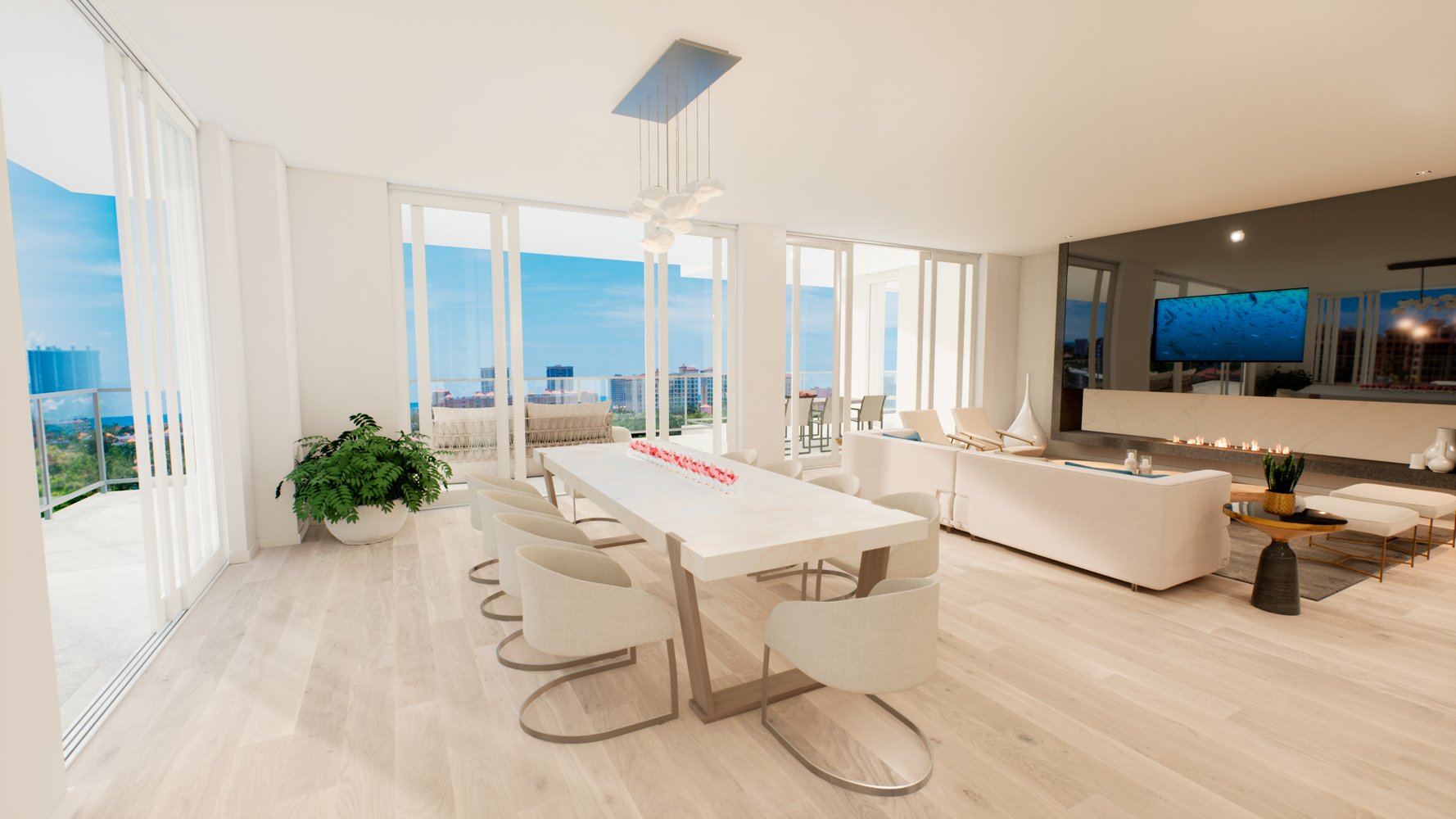
For a Boca Raton buyer planning seasonal dinners, family gatherings, or business entertaining in 2026, venue selection should begin with access rather than menus. A private room may appear suitable, but the booking process can depend on eligibility, availability, event format, and the venue’s current operating rules.
Ask at the outset who may reserve the space, whether the host must be present, and whether any guest, membership, or stay requirements apply. These questions should be resolved before discussing menus, deposits, or room layouts.
A successful event plan aligns access, scale, logistics, and written terms before any commitment is made.
A buyer should consider private entertaining as part of the broader residential experience. Restaurant dining transfers most service and setup responsibilities to the venue, while an event at home may require coordination among building management, the caterer, vendors, and the host.
Buyers considering The Residences at Mandarin Oriental Boca Raton can review nearby private-dining choices alongside the practical requirements of entertaining at the residence. The relevant comparison is not simply restaurant versus home; it is which setting best supports the guest list, desired privacy, service style, and schedule.
Before selecting either option, outline how guests will arrive, where they will gather, how dinner will be served, and how the evening will conclude. This sequence helps reveal whether the preferred plan requires a private room, a larger event format, or a catered residential gathering.
A capacity figure does not explain how a room will function. A seated dinner, reception, presentation, or single-table gathering can require a different layout even when the guest count is unchanged.
Request a floor plan or written description of the proposed setup. Confirm whether the quoted capacity applies to seated dining or standing use, whether the room is fully private, and whether other guests or restaurant operations share the arrival path. Hosts should also ask about sound, lighting, table configuration, accessibility, and weather contingencies for outdoor areas.
For buyers evaluating Alina Residences Boca Raton, the same planning exercise can be applied to both nearby dining rooms and entertaining at home. The most appropriate choice depends on how the host wants guests to move through the evening, not solely on the maximum number a space can hold.
An event proposal should be reviewed as a complete commitment rather than a headline menu price. Request an itemized estimate that identifies food and beverage charges, minimum spending requirements, room fees, service charges, gratuity, tax, corkage, rentals, special equipment, staffing, and any other applicable costs.
Beverage terms deserve separate attention. Confirm whether outside wine is permitted, how corkage is calculated, whether other outside alcohol is prohibited, and whether beverage minimums apply. If the event includes specialty bottles, pairings, or a hosted bar, those arrangements should appear in the written proposal.
The deposit schedule should also be explicit. Ask when each payment is due, whether deposits are refundable, and what happens if the date, room, menu, or guest count changes. A verbal explanation is useful, but the signed agreement should control the final decision.
Private dining can simplify staffing, kitchen operations, table service, and cleanup because the event remains within a restaurant environment. Catering at a residence can provide a more personal setting, but it may introduce additional approvals and vendor responsibilities.
For a catered gathering at Glass House Boca Raton, a buyer should confirm the applicable residential procedures before signing a catering agreement. Questions may cover vendor entry, delivery timing, elevator use, kitchen access, insurance documentation, waste removal, music, staffing, and the permitted event window.
The caterer and residential team should receive the same event outline. That document can identify the date, guest count, service format, vendor roster, delivery schedule, equipment needs, and cleanup plan. Coordinating both sides reduces the risk of agreeing to a catering service that cannot be executed under the residence’s applicable rules.
Peak-season planning benefits from flexibility. Instead of requesting only one date and one room, prepare a preferred date, a backup date, and an alternative event format. A midweek dinner, earlier start time, smaller private room, or catered gathering may provide a workable alternative when the first choice is unavailable.
Request current 2026 terms directly from the venue or caterer. The written response should address availability, deposits, cancellation deadlines, menu-selection dates, final guest-count deadlines, event duration, overtime, and any date-specific requirements. If a proposal expires after a stated period, record that deadline alongside the payment schedule.
Buyers considering Mr. C Residences Boca Raton can compare restaurant-based entertaining with residential catering during the property evaluation process. Each option should be reviewed on its own terms, with separate confirmation from the venue, caterer, and residential management where applicable.
Event restrictions can affect the experience as much as the menu. Ask whether the venue limits decorations, candles, outside desserts, entertainment, photography, signage, speeches, or audiovisual equipment. For residential events, verify comparable rules with the appropriate property representative.
Cancellation and change provisions require careful reading. Confirm the consequences of reducing the guest count, moving the date, shortening the event, or changing the service format. The agreement should also state what is due if the host cancels and what alternatives are available if the provider cannot perform as planned.
Avoid relying on assumptions from a prior event. Policies, availability, staffing, and commercial terms can change, so every 2026 booking should be evaluated through its current written agreement.
Begin with four categories: access, format, cost, and execution. Under access, record who may book and which approvals are required. Under format, document privacy, layout, service style, and guest flow. Under cost, capture every quoted charge and payment deadline. Under execution, assign responsibility for vendors, deliveries, setup, service, and cleanup.
Then compare the plan with the way the Boca Raton residence will actually be used. A buyer who expects frequent intimate dinners may prioritize different nearby options than someone planning occasional catered celebrations. The strongest choice is the one that remains practical after access rules, contracts, and logistics are considered together.
For discreet guidance on Boca Raton property and the lifestyle surrounding it, connect with MILLION.
If branded residences are on your mind — as a home or as an allocation — we would be glad to share what we are seeing, privately.
Begin a quiet conversationConfirm who may reserve the space, whether the host must be present, and whether any guest, membership, or stay requirements apply.
Compare privacy, guest flow, service style, residential approvals, vendor access, setup, and cleanup responsibilities.
Capacity may vary by seated or standing format, table layout, and room configuration. The proposed setup should be confirmed in writing.
The proposal should identify food and beverage charges, minimums, room fees, service charges, gratuity, tax, corkage, rentals, staffing, and other applicable costs.
Ask whether outside wine is permitted, how corkage is calculated, whether other outside alcohol is restricted, and whether beverage minimums apply.
Confirm residential approval, vendor entry, delivery timing, insurance documentation, kitchen access, equipment needs, cleanup, and the event window.
Keep a preferred date, a backup date, and an alternative format available. Request current terms before making any commitment.
The agreement should address deposits, cancellations, menu selections, final guest counts, proposal expiration, and any event-specific payment dates.
Ask about decorations, candles, outside desserts, entertainment, photography, signage, speeches, sound, and audiovisual equipment.
Availability, policies, staffing, and commercial terms can change. The current written agreement should guide the decision.